Should You Do a First Look? Here’s How to Decide
What Is a First Look and Why I Recommend It
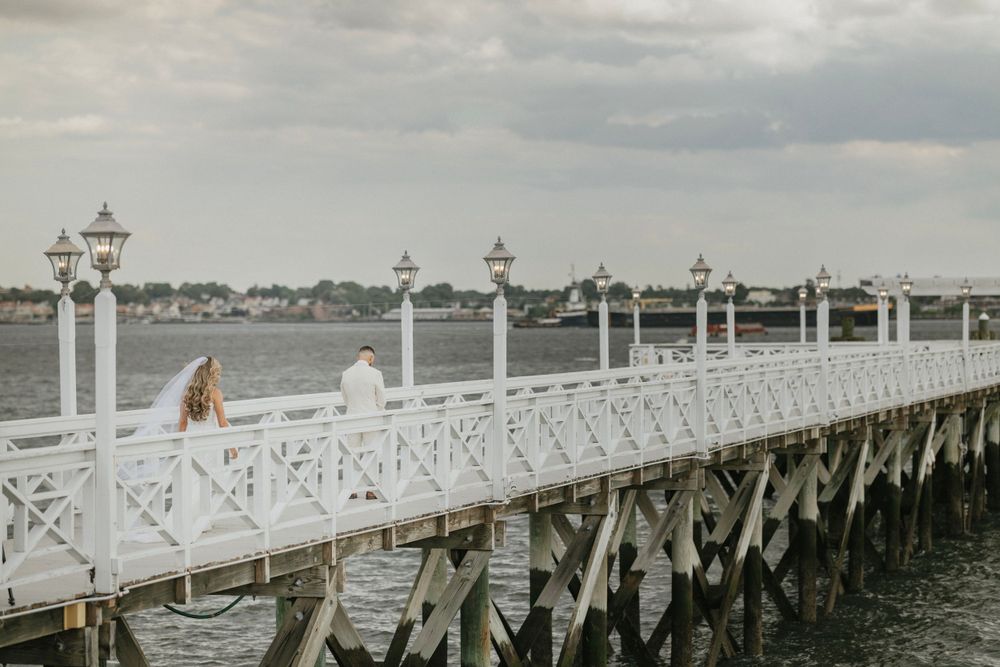
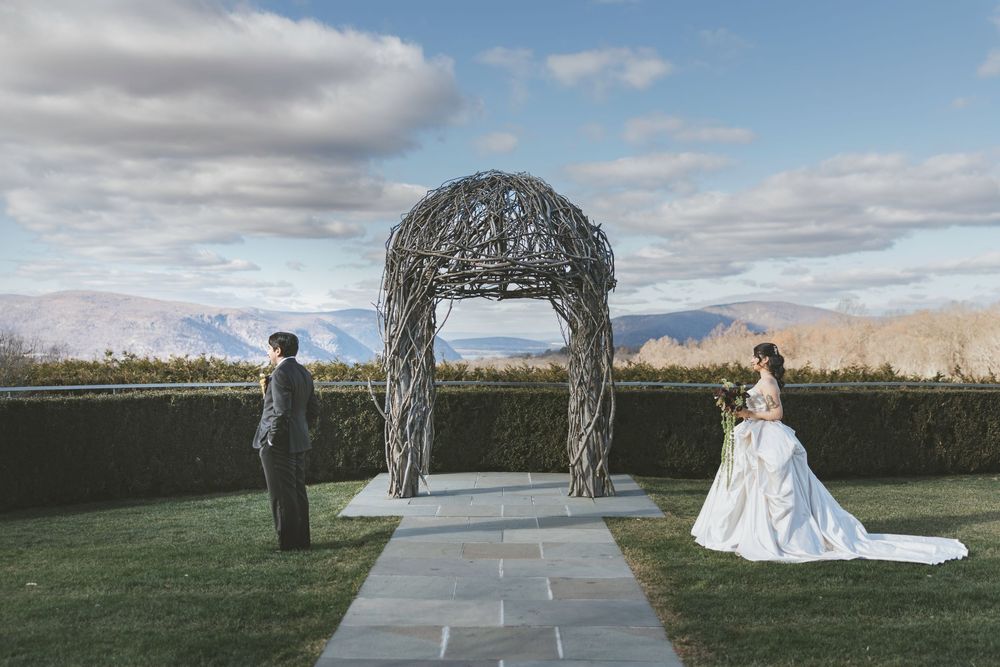
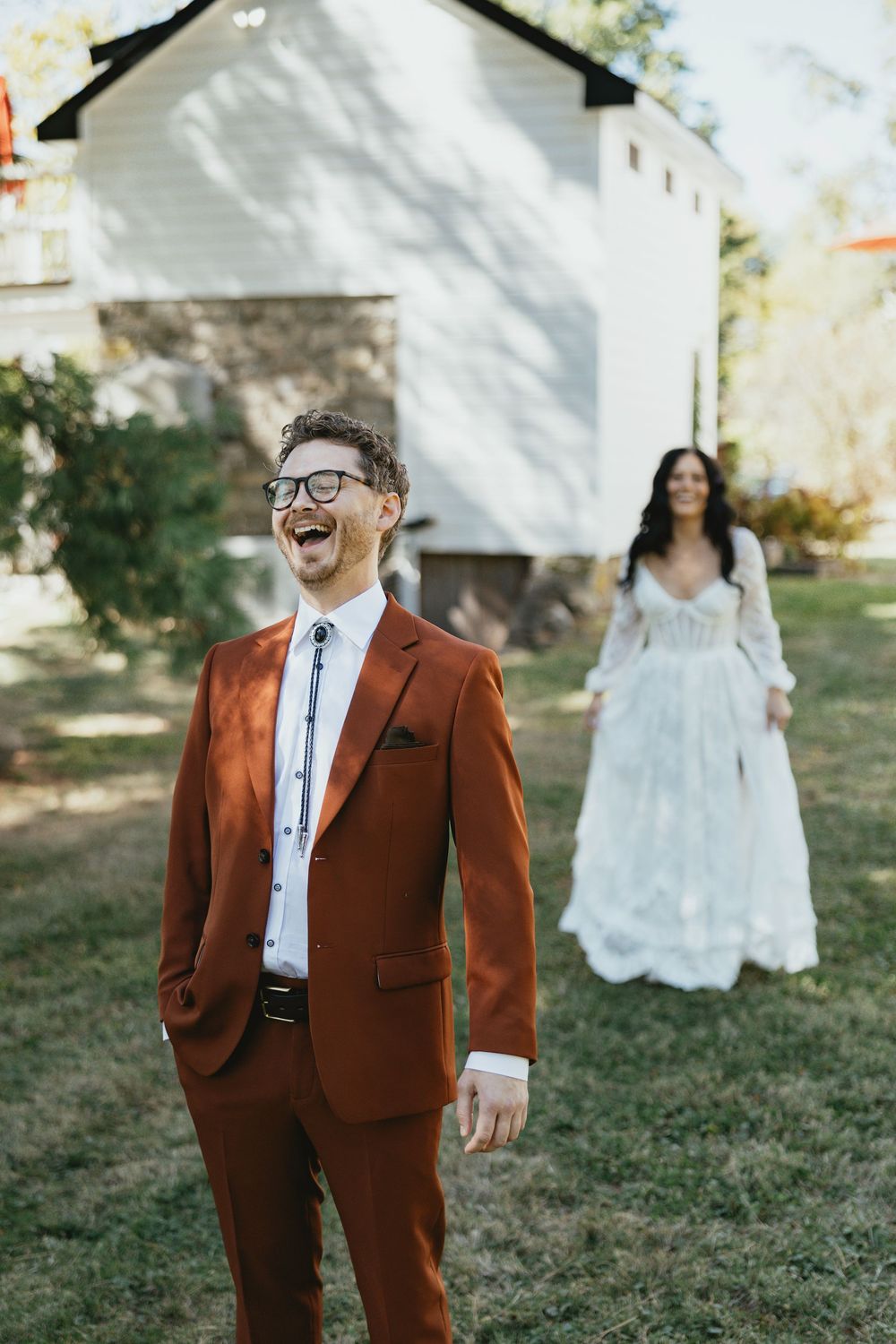
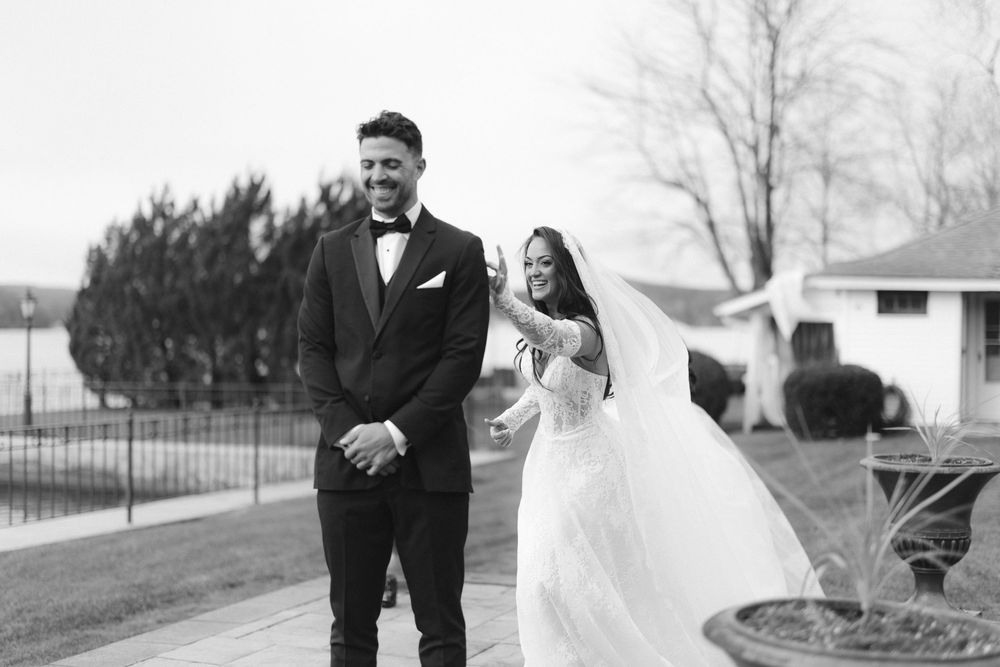
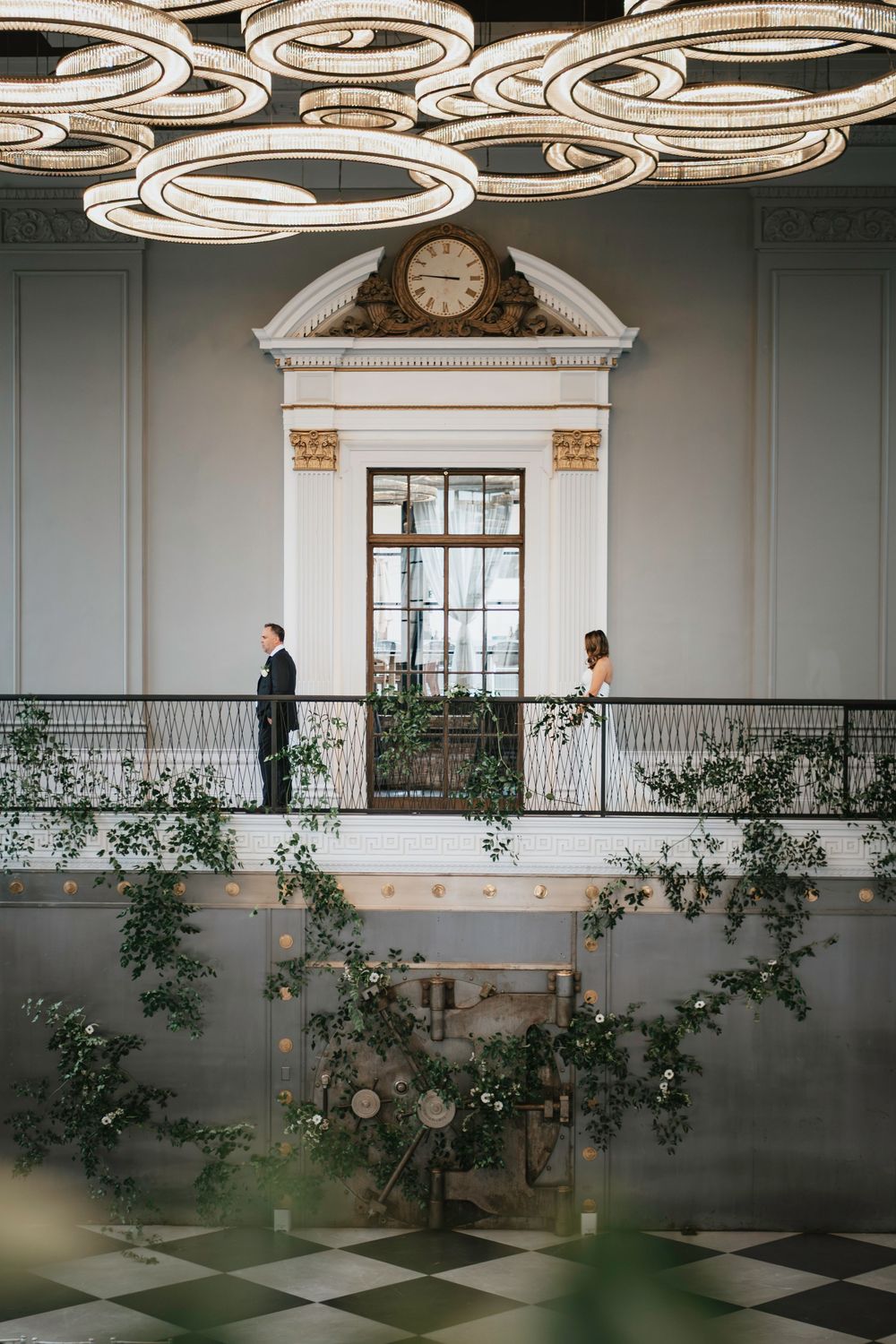
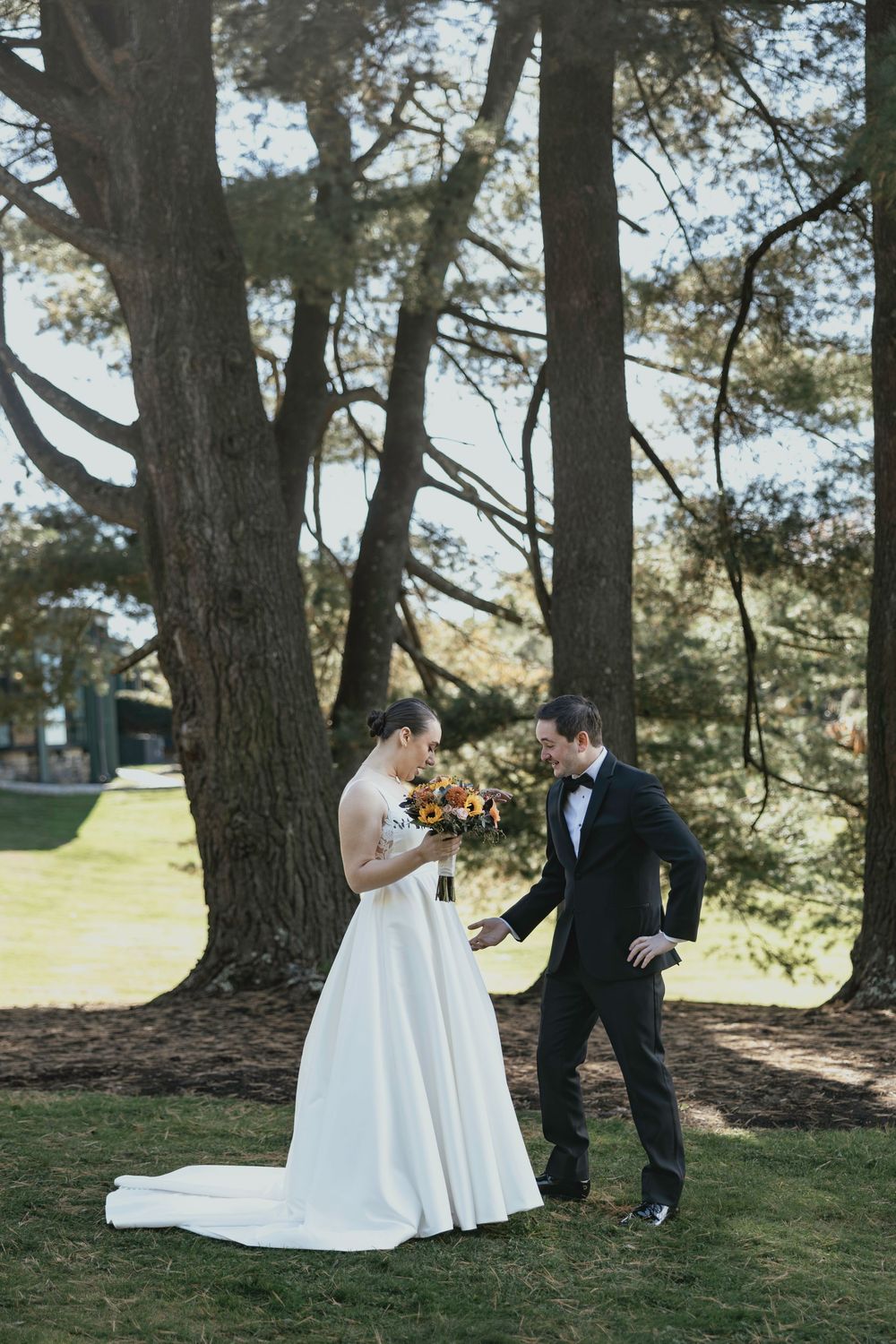
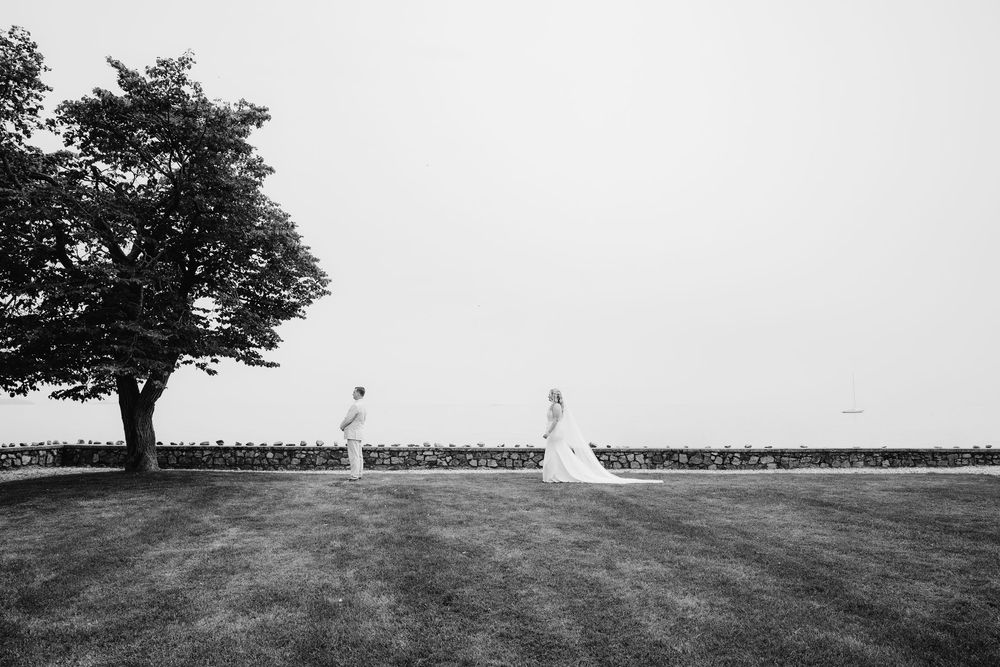
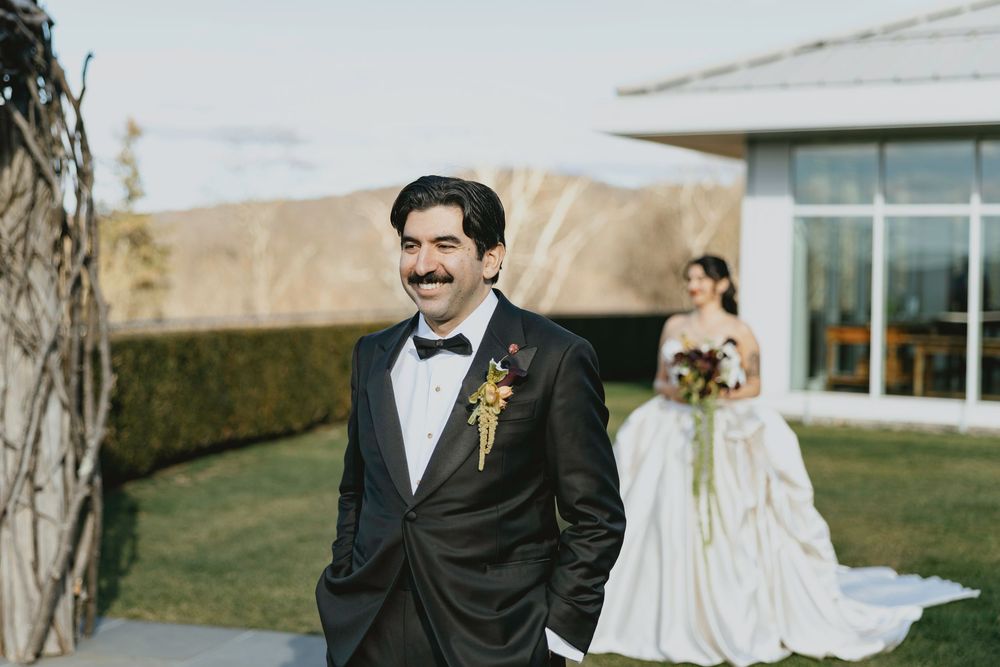
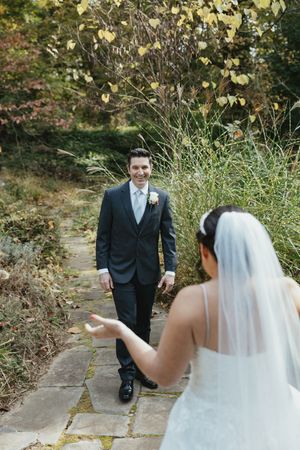
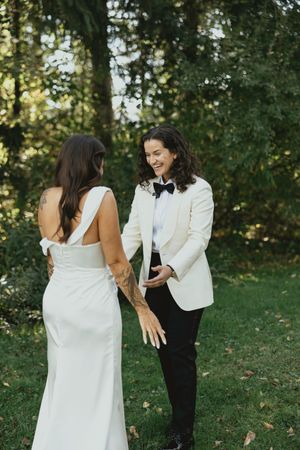
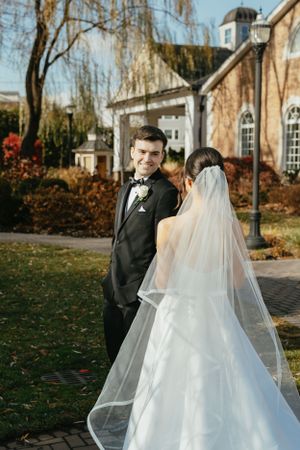
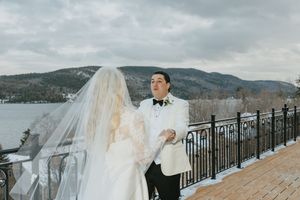
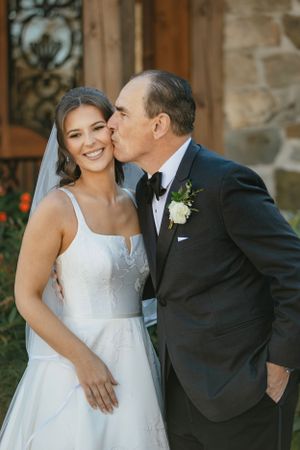
A first look is a private moment before the ceremony where you see each other for the first time, away from the crowd. It is just the two of you, with me quietly documenting it from a distance. No audience. No pressure. Just a real, uninterrupted reaction.
While the traditional aisle reveal will always have its place, I strongly recommend a first look for most couples. Not because it is trendy, but because of how it changes the flow and feel of your entire day.
When you choose to do a first look, we can complete the majority of your portraits beforehand. That includes couple portraits, wedding party photos, and most family combinations. Instead of stacking everything into cocktail hour, you walk into the ceremony knowing the heavy lifting is done.
After you say “I do,” you are free.
Free to hug your guests.
Free to enjoy cocktail hour.
Free to be present instead of being pulled in multiple directions for photos.
It also creates a calmer pace. You get a quiet moment to breathe together before the ceremony begins. Nerves settle. The day feels grounded. You are not seeing each other for the first time in front of 150 people. You are connecting in a way that is personal and unfiltered.
From a photography standpoint, the benefits are significant. We have more time, more flexibility, and often better light earlier in the day. We can choose intentional locations. We can move without pressure. The result is a fuller gallery and a day that never feels rushed.
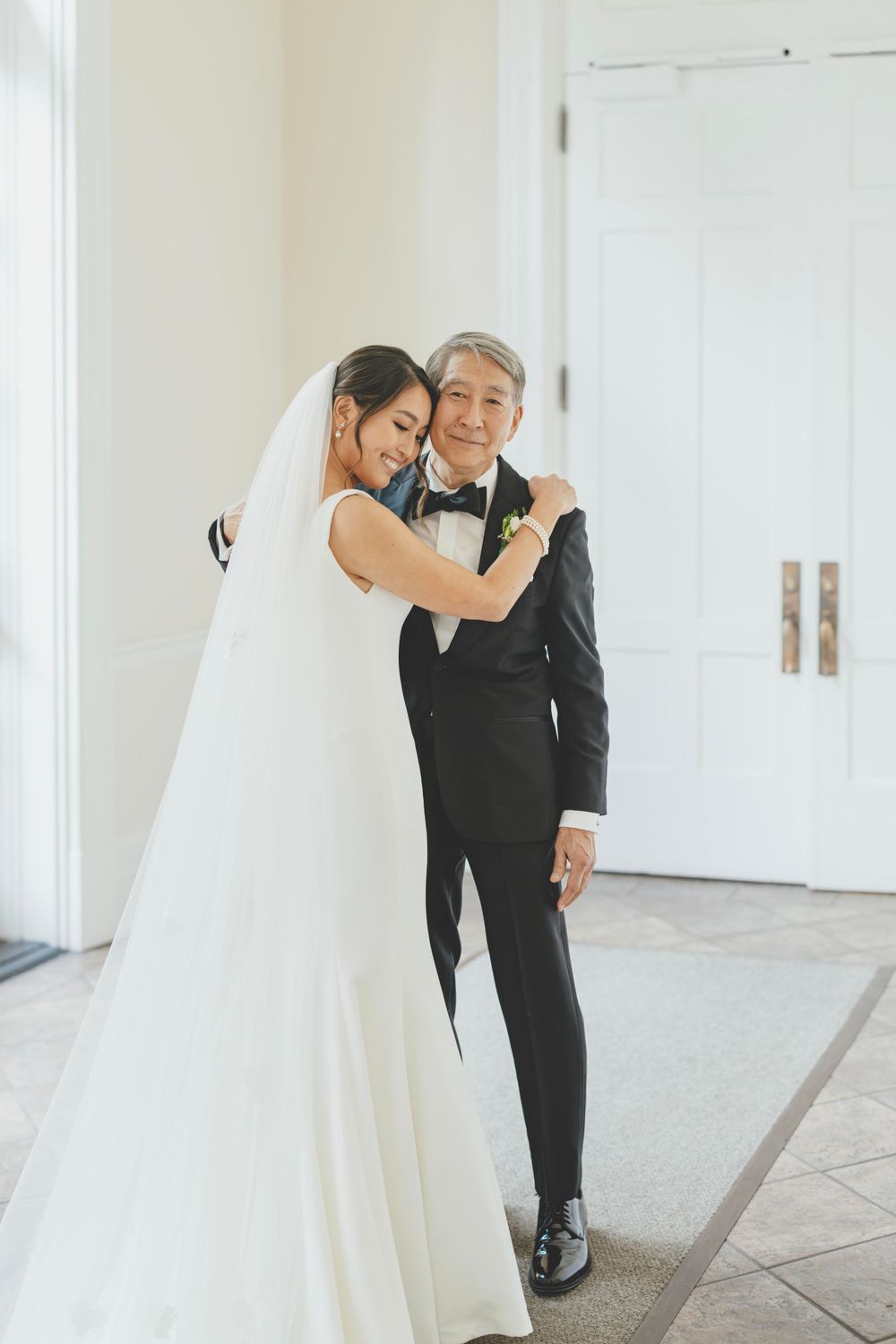
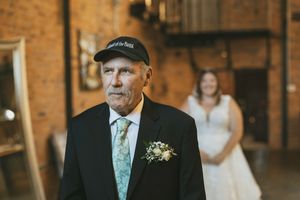
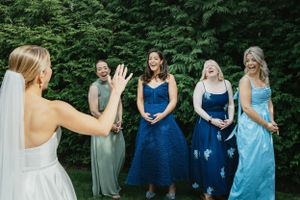
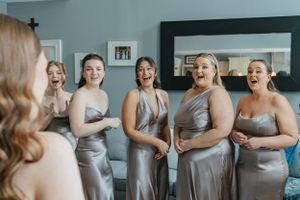
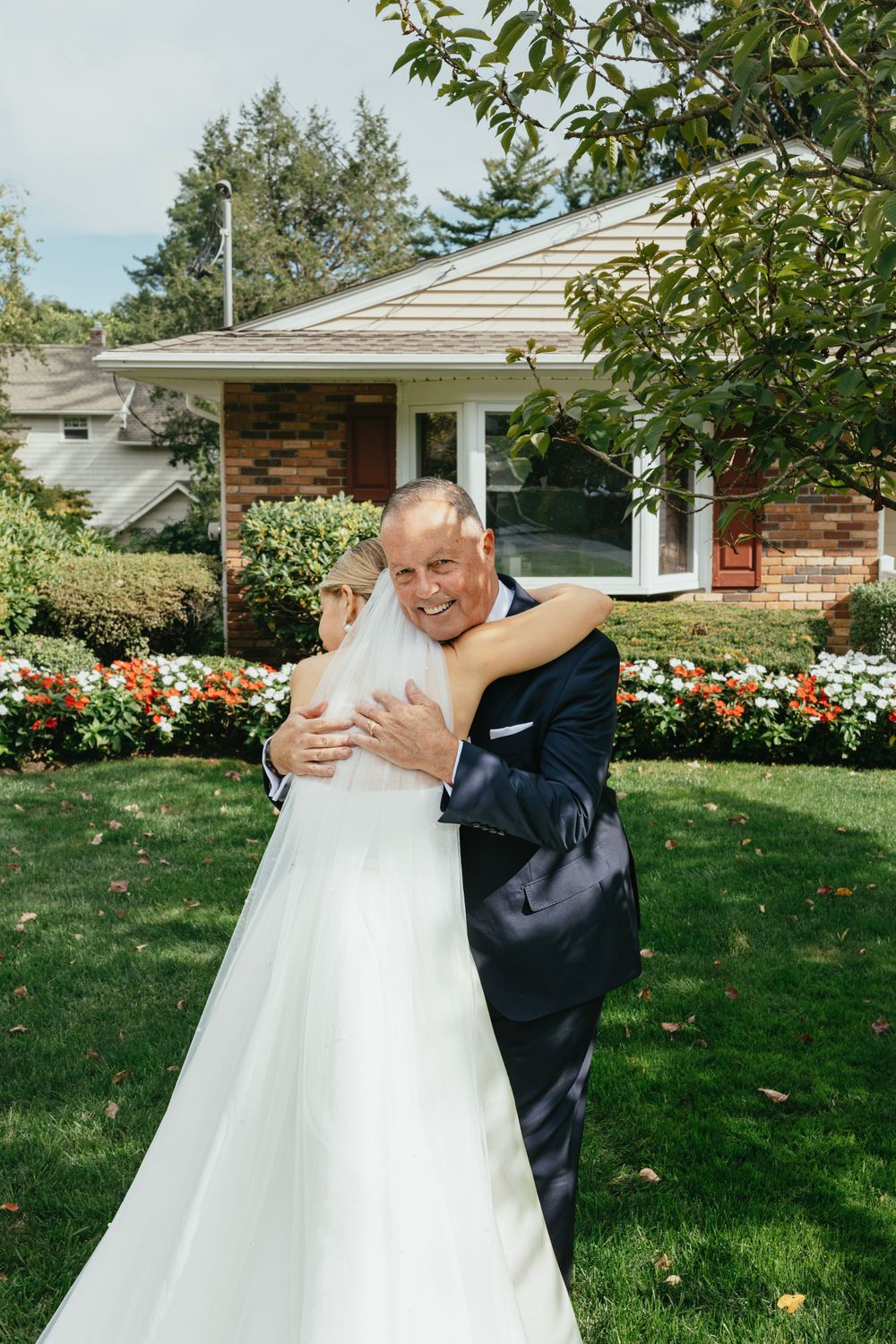
Some couples also choose to include a first look with a parent, sibling, or wedding party. Those reactions are often just as meaningful and give us space to capture them thoughtfully.
There is no rule that says you must do one. But if your goal is a relaxed timeline, authentic reactions, and the ability to truly experience your wedding day, a first look is one of the strongest decisions you can make.
If you are weighing the decision, here are a few key factors to consider as you think through what feels right for your day.


1. Do you want to honor tradition?
For some couples, the aisle moment is non-negotiable. The doors open, the music shifts, and you lock eyes for the first time in front of everyone who matters most. There is something undeniably powerful about that shared anticipation.
If you have always pictured that slow walk and that collective inhale from your guests, then waiting may feel right. Tradition carries weight for a reason. It creates build-up. It creates spectacle. And for some, it deepens the meaning of the ceremony itself.
That said, it is worth separating tradition from expectation. Ask yourself whether you are holding onto it because it truly reflects you, or because it is what you have always seen done. If the aisle reveal feels personal and intentional, honor it fully.
2. Do you get nervous?
Wedding day nerves show up in different ways. For some, it is excitement. For others, it is full adrenaline. Standing at the front of a ceremony space waiting for the doors to open can amplify that feeling.
A first look shifts the energy. Instead of your first interaction happening in front of a crowd, it happens privately. You get to exhale. You get to laugh. You get to settle into each other before the formality begins.
I have seen it transform the tone of a day. Shoulders drop. Breathing slows. The ceremony becomes something you walk into together, not something you brace for alone.
3. Do you want a smoother timeline?
Logistically, a first look is one of the strongest decisions you can make. It allows us to complete couple portraits, wedding party photos, and family groupings before the ceremony.
That changes everything.
Instead of compressing an hour’s+ worth of photography into a tight post-ceremony window, we spread it out with intention. There is less rushing. Fewer people waiting. More flexibility if something runs long.
From a planning perspective, it creates margin. And margin is what keeps a wedding day feeling calm rather than chaotic.
4. Do you want to enjoy cocktail hour?
Cocktail hour is often one of the most joyful parts of the day. Your guests are relaxed. The formalities are over. The celebration is building.
Without a first look, that is typically when we handle most portraits. That means you are stepping away from the very people you invited to celebrate with you.
When portraits are completed earlier, cocktail hour becomes yours. You can greet guests, try the food you carefully selected, have a drink, and actually experience the atmosphere you worked so hard to create.
It allows you to participate in your own wedding instead of observing it from a distance.
5. What’s the lighting like?
Light is one of the most important variables in photography, and it changes dramatically depending on season and ceremony time.
In the fall and winter, daylight fades quickly. A late afternoon ceremony can leave us with limited natural light afterward. In the summer, harsh midday sun can be less forgiving than softer light earlier or later in the day.
A first look gives us options. We can choose the best light on your property. We can position you intentionally. We can create portraits that feel dimensional and refined rather than reactive.
This is not about chasing trends. It is about using light strategically so your images look their best.
6. Do you want more photo variety?
Time equals variety.
When we build portrait time into the earlier part of the day, we are not racing a clock. That means we can explore different areas of your venue, shift perspectives, and create a broader range of imagery.
Romantic frames. Editorial compositions. Candid movement. Architectural backdrops. Intimate close-ups.
Without that breathing room, photography can start to feel transactional. With it, we create a gallery that feels layered and complete.
7. Do you want more alone time together?
You will be surrounded all day. Family. Friends. Vendors. Movement. Noise.
A first look is one of the only moments that is intentionally private. It is not performative. It is not structured for an audience.
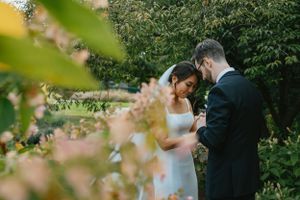
You can exchange personal vows. Share a quiet laugh. Stand still and take it in. It becomes a reset point in a day that moves quickly.
Years from now, couples often tell me that this was one of their favorite parts. Not because of the photos, but because of how it felt.
8. Are you doing a non-traditional timeline?
If you are already rethinking the structure of your wedding, a first look may fit naturally into that approach.
Some couples choose private vow exchanges. Some host welcome dinners before the ceremony. Some get ready in the same space. Others prioritize an extended reception.
When you are designing a day that reflects your relationship rather than a template, a first look becomes less about breaking tradition and more about building a flow that feels authentic to you.
9. Do You Value Privacy on Your Wedding Day?
A first look is not just about timeline efficiency. It’s also about privacy.
When you choose not to do a first look, nearly all portraits for the day are condensed into cocktail hour. That includes:
- Family portraits
- Wedding party photos
- Your couple portraits
In most cases, this is happening in full view of your entire guest list.
While family and wedding party photos are being organized, guests are often nearby with cell phones out, taking their own pictures. Attendants can get distracted. Well-meaning relatives may offer opinions on which groupings should happen next. There is movement. There is noise. There are eyes on you.
Then come your couple portraits.
Depending on the venue layout, these intimate moments may unfold with guests watching from a distance. Even if they are respectful, you are aware of the audience. Instead of feeling fully present with each other, it can feel performative.
Some couples thrive in that energy. Others do not.
If you already feel slightly uncomfortable in front of a camera, adding an audience can amplify that feeling. The result can be photos that feel a bit tense rather than relaxed.
A first look creates space. It allows portraits to happen quietly, without commentary, without phones in the background, and without the pressure of an audience waiting for cocktail hour to end. For couples who value privacy and want their portrait time to feel grounded and personal, that difference can be significant.
10. How Much Cocktail Hour Coverage Do You Want?
When deciding whether to do a first look, consider how much photography coverage you want of cocktail hour and your reception space.
Cocktail hour is when:
- Guests reconnect
- Hugs and introductions happen
- Drinks are flowing
- The reception room is fully set and untouched
From a storytelling perspective, this is a key part of the day.
If We’re Doing Formals During Cocktail Hour
If cocktail hour is dedicated to family photos, wedding party portraits, and your couple session, I’m fully focused on you. That means I’m not simultaneously capturing:
- Guest candids
- Bar and mingling moments
- Wide reception room shots
- Centerpieces, florals, and table details before guests enter
Most reception detail photography happens during cocktail hour, before the space fills up. If portraits take the entire hour, those images are limited.
How a Second Photographer Changes Things
A second photographer allows coverage in two places at once.
While I’m with you for:
- Family formals
- Wedding party
- Your portraits
A second photographer can document:
- Cocktail hour candids
- Guest reactions
- Reception details
- Alternate angles
Instead of choosing between portraits or guest coverage, you preserve both.
What Do You Want to Remember?
When you look back at your gallery, do you want mostly portraits? Or do you want to see your guests, your space, and the full atmosphere of the day?
There’s no right answer. But this question often shapes the first look decision more than couples initially realize.
If cocktail hour coverage and reception details matter to you, that may influence whether we:
Do a first look
Extend cocktail hour
Add a second photographer
Or streamline the formal photo list
All of these pieces work together.
11. Do You Have a Large Gap Between Ceremony and Cocktail Hour?
This often happens when you’re having a religious ceremony at one location and your reception at another. Sometimes there’s a one to three hour window between the end of the ceremony and the start of cocktail hour.
Instead of viewing that gap as “dead time,” it can actually work in your favor.
If you’re not doing a first look, that in-between window becomes the perfect opportunity for portraits, wedding party photos, and family formals without feeling rushed. Rather than condensing everything into cocktail hour while your guests are arriving, mingling, and watching, we can use that quieter stretch of time intentionally.
It allows you to transition from ceremony to celebration, take a breath, and create portraits with space and focus. You’re not racing the clock. You’re not being pulled away from cocktail hour. You’re simply using the natural flow of the day to your advantage.
When structured properly, that time gap can make your photography experience feel calm and organized rather than compressed and public.
Final thoughts:
There is no universal answer. A first look is not required, and choosing not to do one does not diminish your day in any way. What matters most is that your decision aligns with how you want your wedding to feel, not just how it looks.
That said, after photographing many weddings across the Hudson Valley in every season and timeline variation, I can say this with confidence: when couples choose to do a first look, their day almost always feels more relaxed, more intentional, and more present.
It creates space.
Space in the timeline.
Space in your breathing.
Space in your experience.
You are not rushing through portraits. You are not disappearing during cocktail hour. You are not carrying all your nerves into the ceremony moment. Instead, you walk into it grounded, connected, and already centered with the person you are about to marry.
From a photography perspective, it allows me to serve you at a higher level. We can prioritize light. We can move with purpose. We can create images that feel elevated and unforced rather than reactive to time constraints. The gallery becomes more complete because the day itself had room to unfold.
At the end of it all, this is not about tradition versus modern. It is about intention versus pressure.
If the aisle reveal is something you have always envisioned and it feels deeply personal, honor it. If your priority is presence, calm, and fully experiencing the celebration you planned, a first look is one of the strongest ways to protect that.
Your wedding day moves quickly. The structure you choose will shape how you remember it.
As a Hudson Valley Wedding Photographer
Having photographed weddings across the Hudson Valley in every season, I’ve seen how much the structure of a day impacts how it feels. I’ve documented grand aisle reveals filled with anticipation and quiet first looks tucked into gardens, estates, and mountain backdrops. Both can be powerful. The key is choosing what supports your priorities.
My role is not to steer you toward a trend. It’s to help you design a timeline that works for your venue, your light, and your vision.
If you’re planning a Hudson Valley wedding and want clear guidance on whether a first look makes sense for your day, let’s talk. We’ll build a timeline that feels seamless, protects your experience, and allows your images to reflect the day honestly and beautifully.


Krutick Photography | www.krutickphotography.com | richard@krutickphotography.com | 845-857-4980
