Wedding Photography Styles Explained: Editorial, Documentary, Candid, Film, Light and Airy, Moody, Cinematic, and True to Color
When couples start looking for a wedding photographer, they quickly realize that no two portfolios feel the same.
Some images feel effortless and real. Others are polished and composed. Some are bright and soft. Others are dark, textured, and cinematic.
These differences are not random. They come down to how a photographer sees, captures, and processes a wedding day.
Understanding these styles is not just about preference. It directly affects how your wedding will be remembered.
If you are still early in planning, this may help:
The Two Layers of Photography Style
Every wedding photographer operates across two layers.
Shooting Style
This is about how moments are captured in real time.
It determines:
- Whether moments are directed or observed
- How much interaction the photographer has
- How natural or structured the images feel
Editing Style
This is about how those moments are interpreted afterward.
It determines:
- Color tone
- Contrast
- Mood
- Consistency across your gallery
Documentary Wedding Photography Style
Documentary photography is built on observation.
The photographer is not trying to control the day. They are reading it.
This requires anticipation. You are watching body language, tracking interactions, and positioning yourself before something happens rather than reacting after it does.
Strong documentary coverage often includes moments most people never realized were happening:
- A parent reacting during the ceremony before anyone else notices
- A quiet exchange between guests during cocktail hour
- Subtle expressions that pass quickly but carry emotional weight
From a technical perspective, documentary photographers rely on:
- Fast decision making
- Strong awareness of light and positioning
- Shooting through moments rather than interrupting them
The result is a gallery that feels lived-in and honest.
Candid Wedding Photography Style
Candid photography overlaps with documentary but is more focused on isolated moments of interaction.
Where documentary tells the full story, candid photography captures the highlights within it.
A strong candid photographer understands timing and human behavior. They are not just waiting for moments. They are predicting them.
What separates strong candid work from average work is:
- Positioning before the moment happens
- Understanding how people interact in groups
- Knowing when to stay close and when to step back
Candid images often feel effortless, but they require a high level of awareness and consistency to capture throughout an entire wedding day.
Editorial Wedding Photography Style
Editorial photography introduces control.
Instead of observing, the photographer is shaping the scene.
This style is rooted in fashion photography, where composition, posture, and light are all intentional.
A strong editorial photographer pays attention to:
- Lines and symmetry
- Negative space
- Body positioning and angles
- How light defines the subject
Good editorial direction is subtle. The goal is not to make people look posed. It is to guide them into positions that feel natural but photograph cleanly.
Editorial photography works best in short, intentional windows such as:
- Couple portraits
- Detail shots
- Select bridal party images
It creates structure within a day that is otherwise constantly moving.
Film Wedding Photography for Weddings
Film photography changes both the process and the outcome.
Unlike digital, film has limitations. You cannot check the back of the camera. You cannot overshoot. You have to trust your exposure, your timing, and your understanding of light.
This constraint changes how photographers work.
Film encourages:
- Slower, more deliberate shooting
- Careful exposure decisions
- Greater reliance on natural light
From a visual standpoint, film handles light differently than digital.
Key characteristics include:
- Softer highlight transitions without harsh clipping
- More natural roll-off in bright areas like skies and skin
- Subtle grain structure that adds texture without distraction
- Color depth that feels layered rather than saturated
Film tends to favor accuracy over intensity. It does not exaggerate color. It renders it.
This is why film often feels timeless.
Film-Inspired Wedding Photography Editing Style
Film-inspired editing is an attempt to recreate these qualities using digital files.
The difference between average and high-end film emulation comes down to restraint.
Strong film-inspired editing avoids:
- Over-saturation
- Crushed blacks
- Artificial color shifts
Instead, it focuses on:
- Smooth highlight roll-off
- Controlled contrast
- Slight warmth without color distortion
- Skin tones that remain consistent across lighting conditions
This approach requires careful calibration. It is not about applying a preset. It is about maintaining consistency across an entire gallery shot in changing light.
True to Color Wedding Photography Editing Style
True to color editing is about accuracy.
It prioritizes how the scene actually looked over stylization.
This requires discipline because it means:
- Avoiding heavy color grading
- Maintaining neutral whites
- Preserving natural skin tones across different lighting conditions
The challenge with true to color is consistency.
Weddings move through multiple lighting environments:
- Getting ready rooms
- Outdoor ceremonies
- Mixed lighting receptions
Maintaining accurate color across all of these requires strong technical control in both shooting and editing.
A refined true to color approach often includes a slight tonal adjustment to add depth, but never at the expense of realism.
Light and Airy Wedding Photography Style
Light and airy editing is built around brightness and softness.
Highlights are lifted, shadows are reduced, and contrast is minimized.
The technical effect is:
- Less tonal separation
- More emphasis on highlights
- Softer transitions between light and shadow
This works best in:
- Open shade
- Backlit conditions
- Outdoor environments with even light
Where it struggles is in:
- Harsh midday light
- Dark indoor environments
- Mixed lighting conditions
A well-executed light and airy style still maintains skin tone integrity and avoids washed out color.
Moody Wedding Photography Style
Moody editing moves in the opposite direction.
It emphasizes depth, contrast, and tonal richness.
Key characteristics include:
- Preserved shadows rather than lifted blacks
- Controlled highlights
- Slight desaturation in certain color channels
- Emphasis on texture and atmosphere
Moody photography is highly dependent on light quality.
It works best when:
- There is directional light
- The environment has texture such as wood, stone, or foliage
- The scene has contrast to begin with
When done well, moody editing enhances the environment rather than overpowering it.
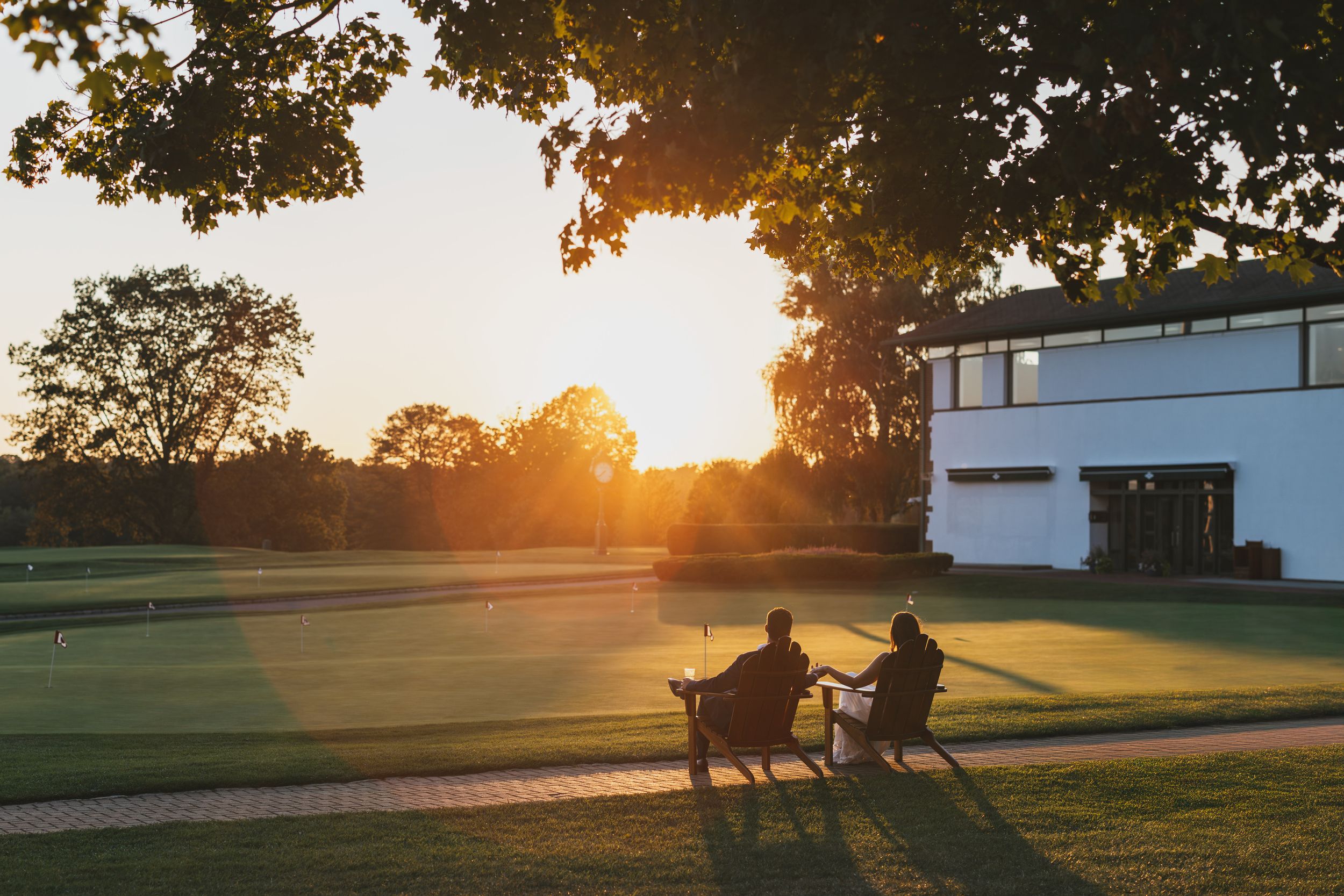
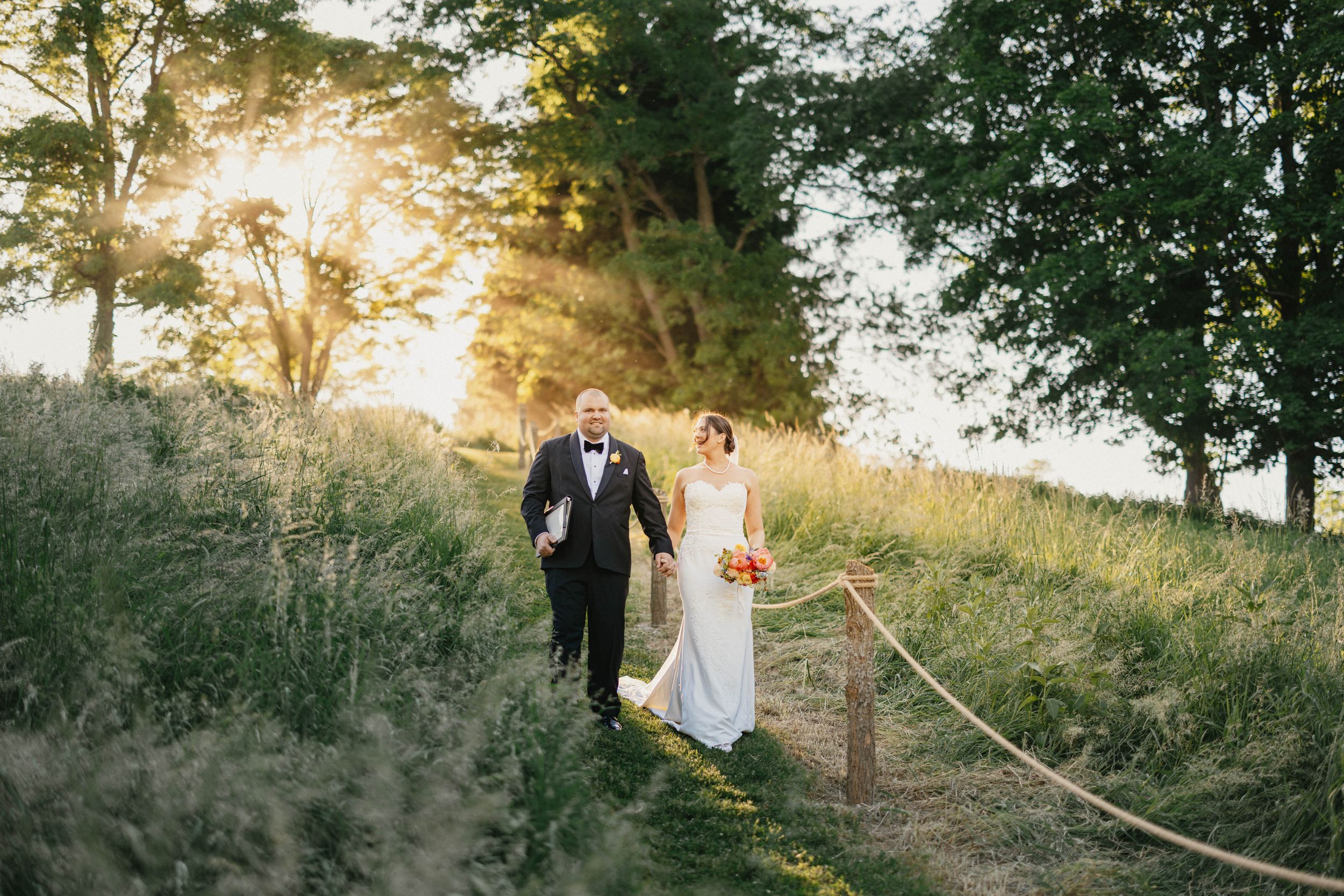
Cinematic Wedding Photography Style
Cinematic photography is about scale and atmosphere.
It prioritizes how a scene feels rather than just how it looks.
This often involves:
- Using wide compositions to show environment
- Placing subjects within a larger scene
- Shooting through foreground elements
- Using light direction to create depth
Cinematic images rely heavily on timing and positioning.
They are often captured:
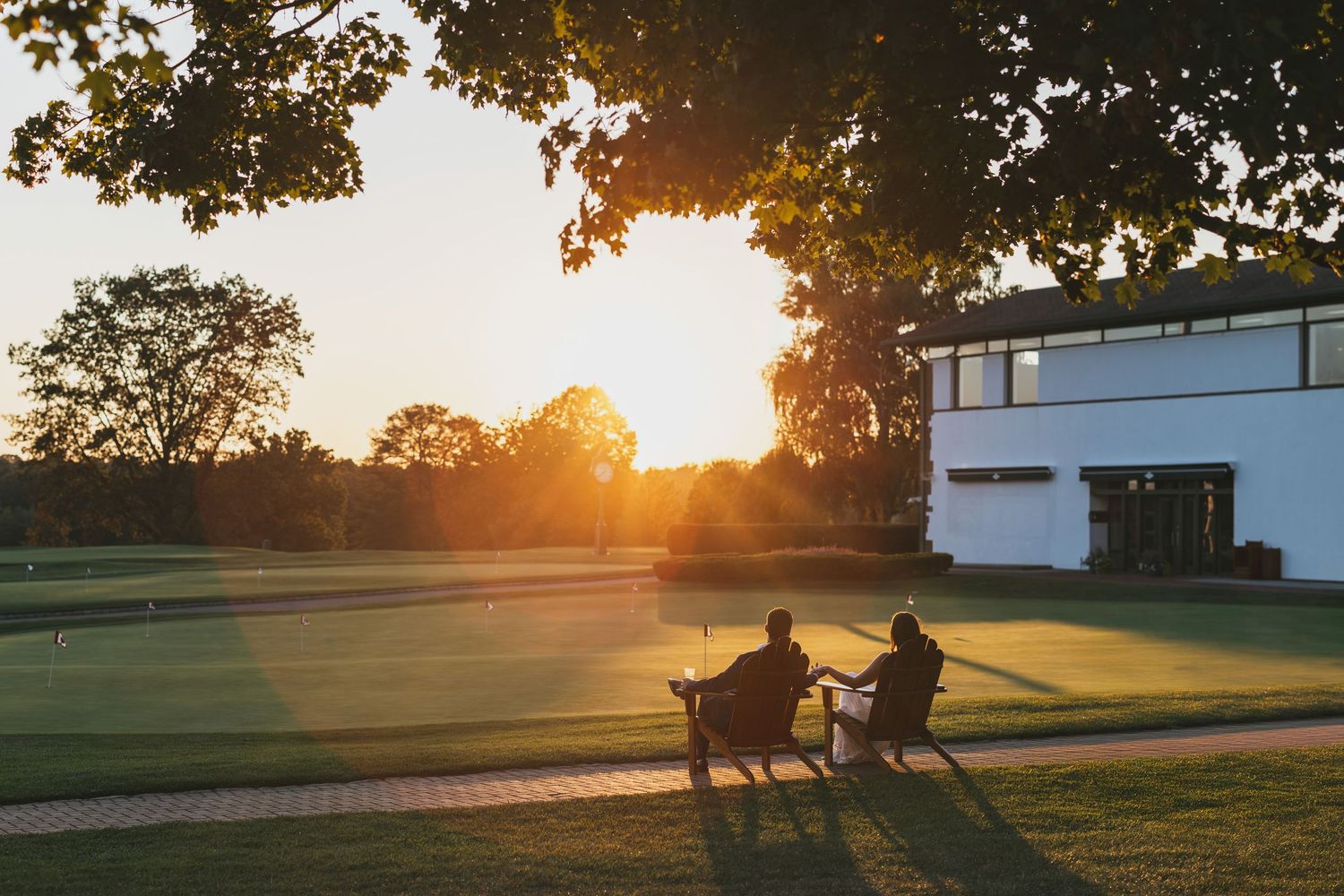
- During sunset
- In locations with strong natural backdrops
- When light direction creates separation
This style is less about posing and more about placing subjects within a visually compelling frame.
Traditional Wedding Photography
Traditional photography is structured and predictable.
It ensures that key people and moments are clearly documented.
From a technical standpoint, it prioritizes:
- Even lighting
- Clear visibility of subjects
- Consistent framing
While less stylistic, it plays an important role in delivering images that families expect.
How Lighting and Your Wedding Venue Influence Photography Style
Photography style does not exist in isolation. It is heavily influenced by environment.
Light determines everything.
A photographer must constantly adjust based on:
- Direction of light
- Intensity of light
- Color temperature
- Available space
For example:
- Open outdoor venues support film inspired and light and airy approaches
- Historic interiors support moody and cinematic styles
- Scenic venues support environmental and cinematic compositions
If you are exploring venues:
My Approach to Wedding Photography
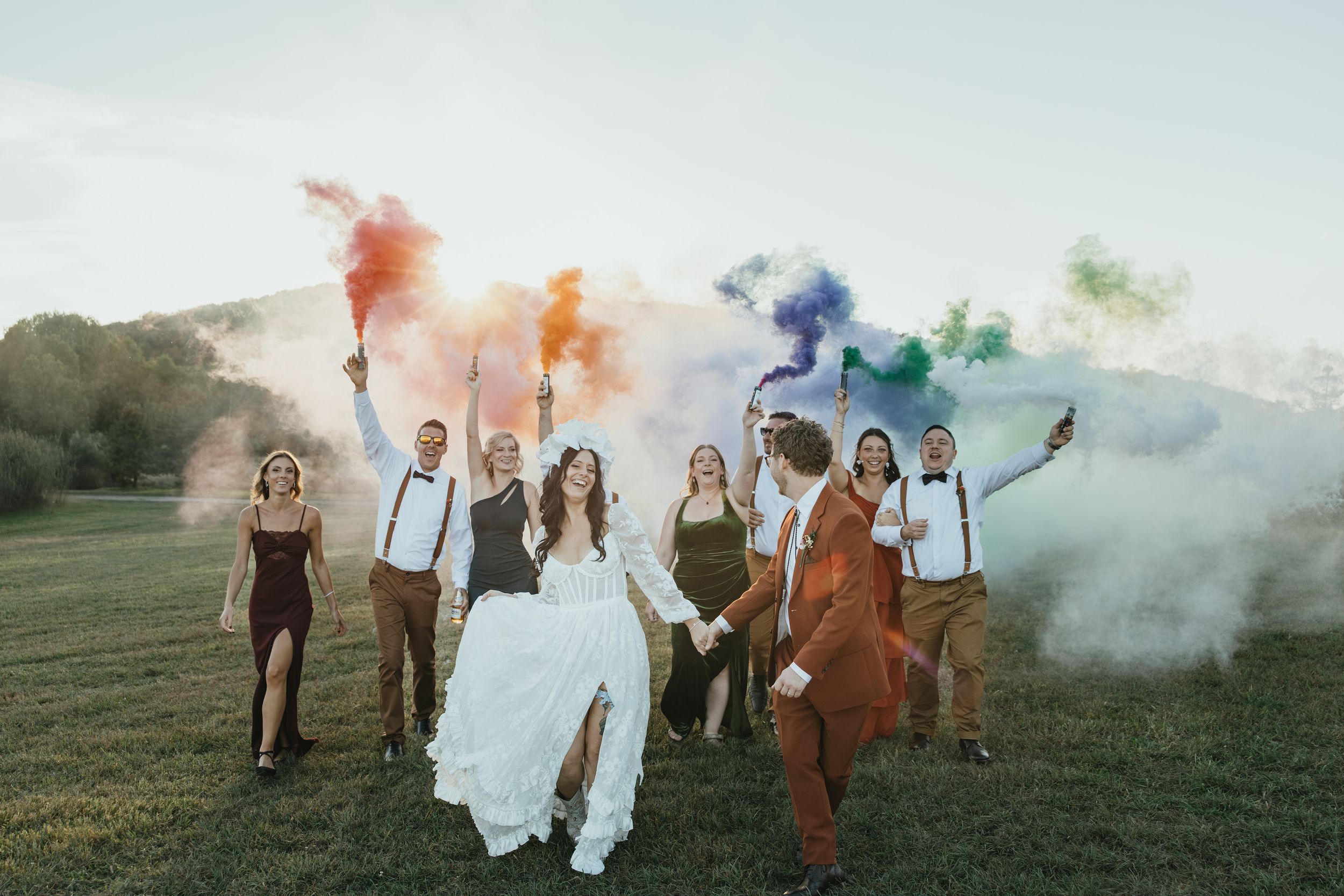
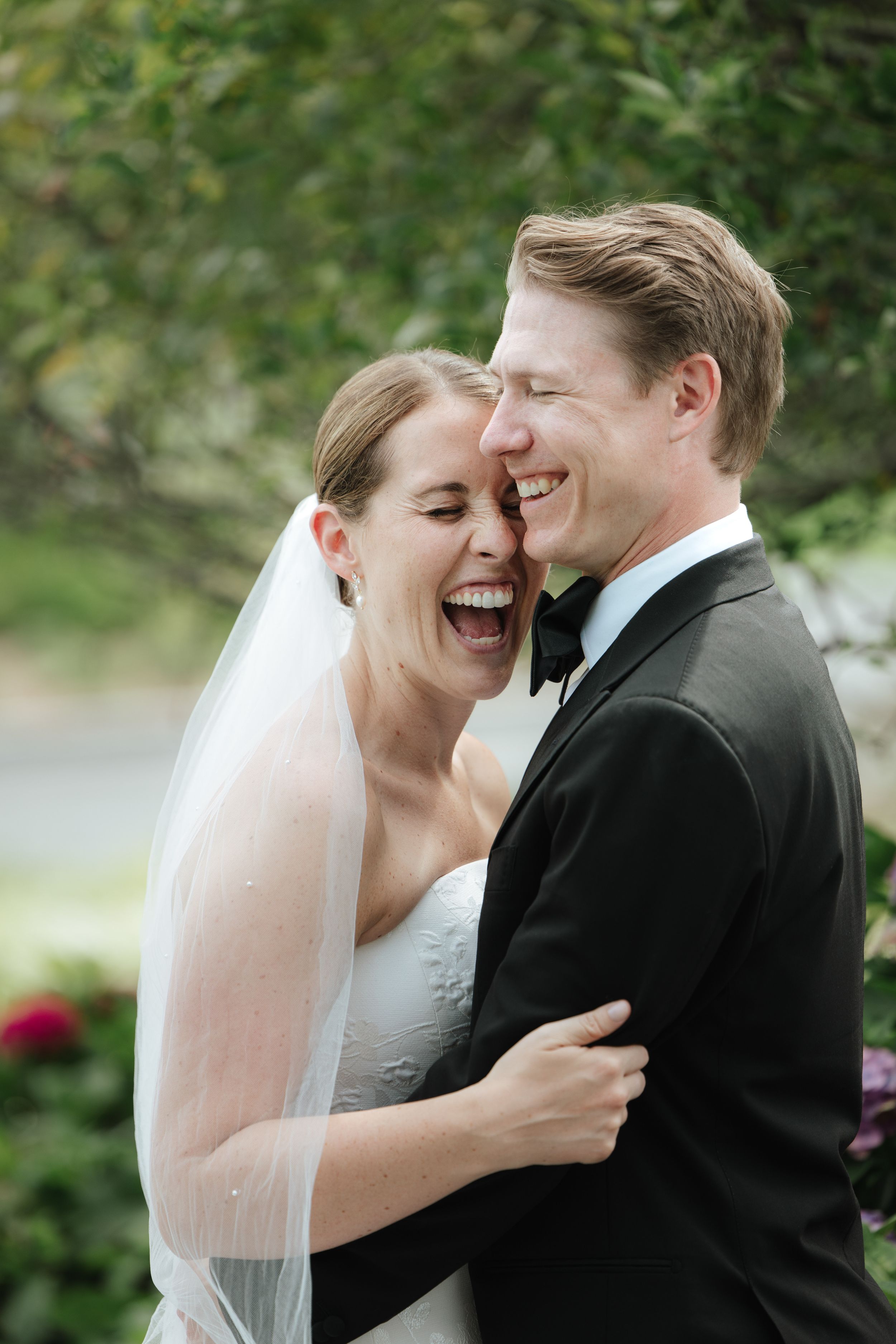
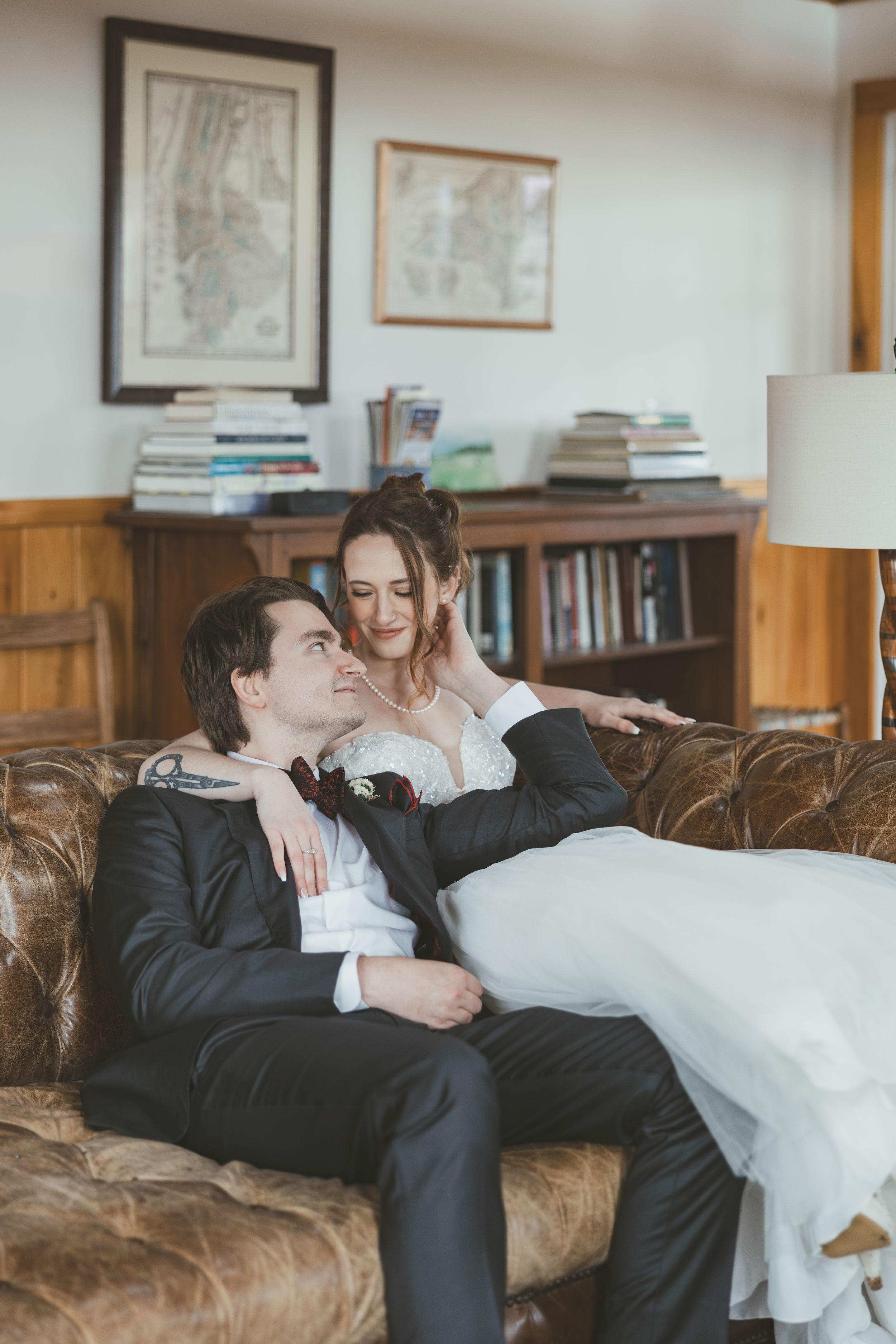
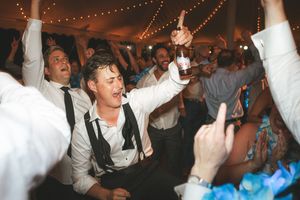
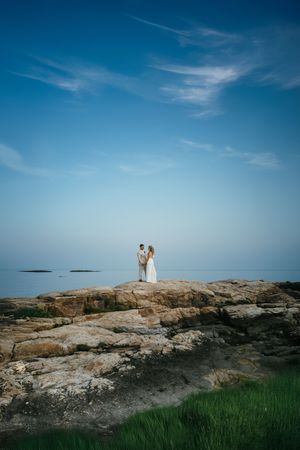
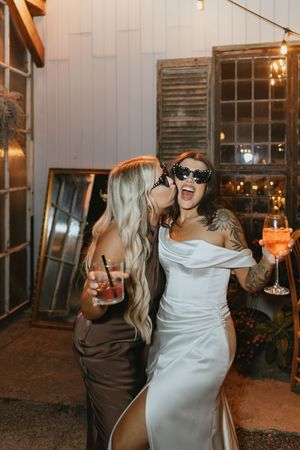
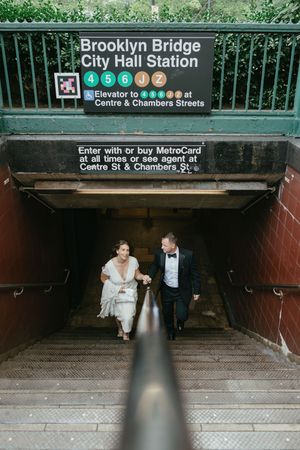
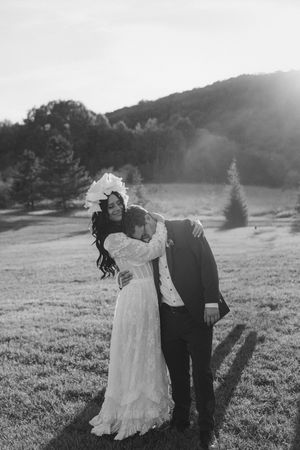
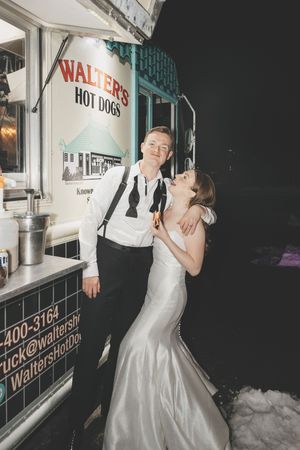
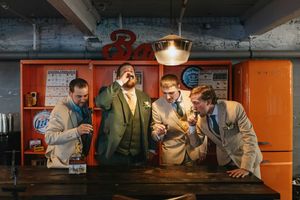
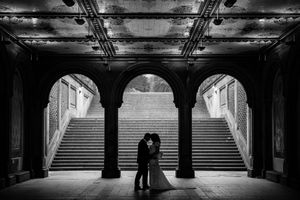
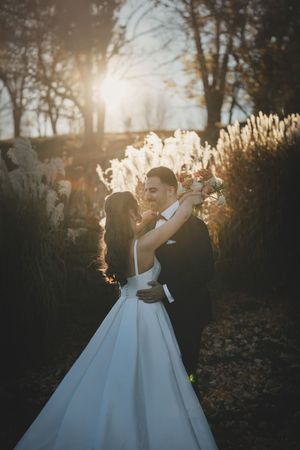
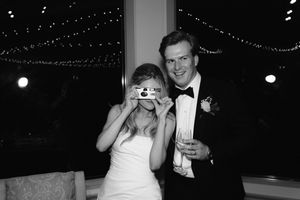
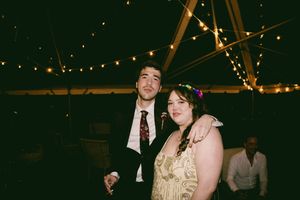
My approach is rooted in candid and documentary photography with gentle direction when needed.
Most of the day is observed, not staged. I focus on real interactions, timing, and the natural flow of the day.
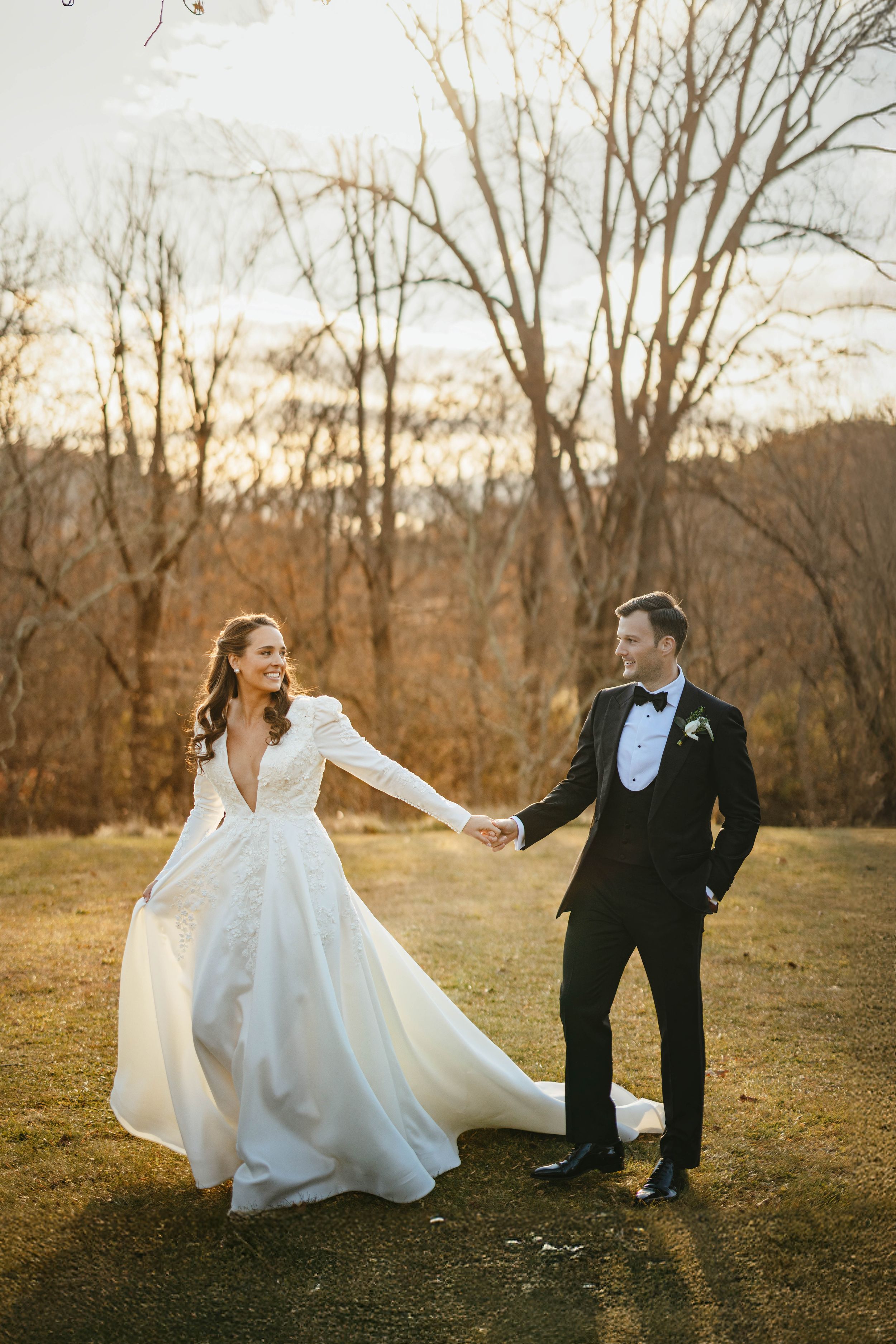
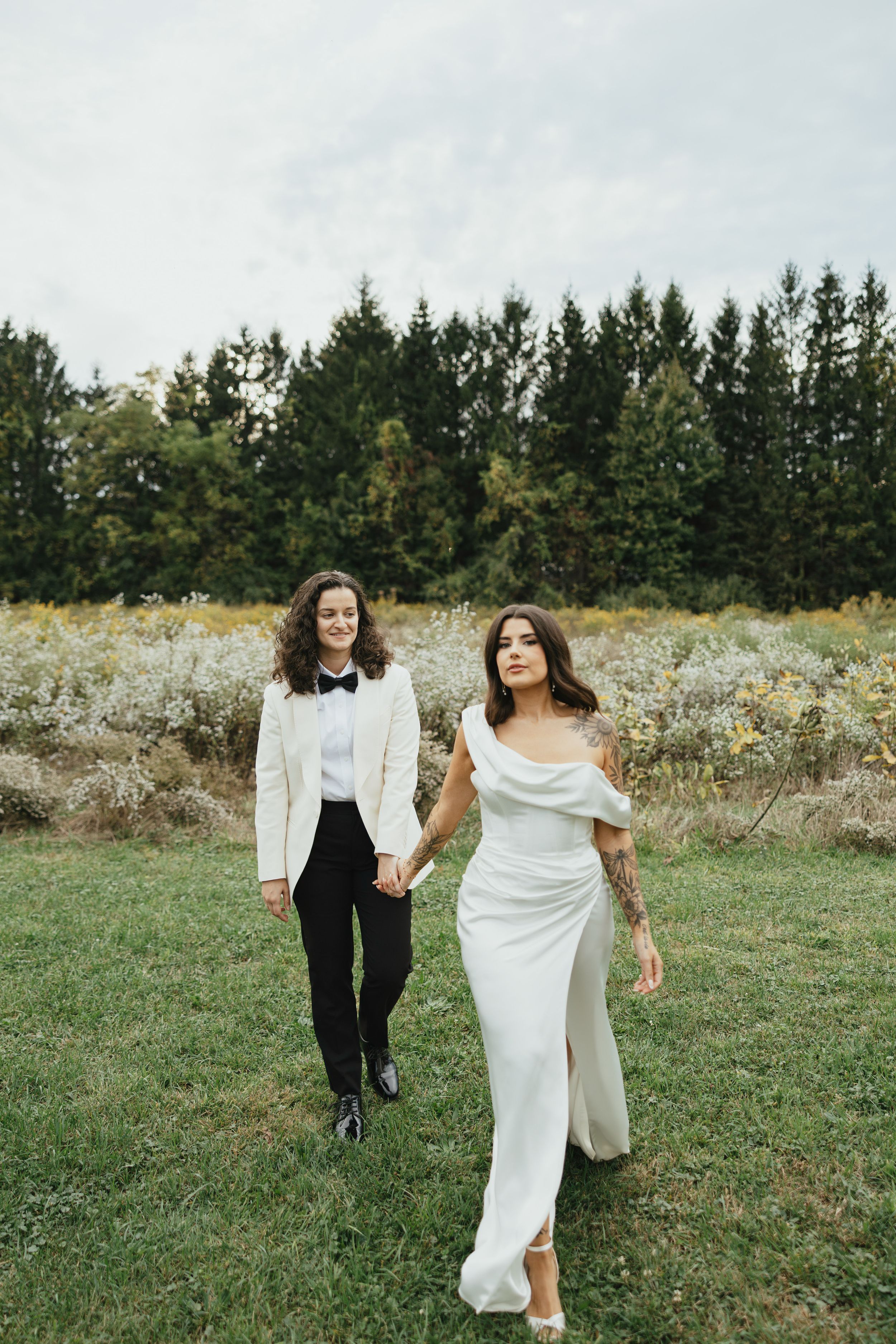
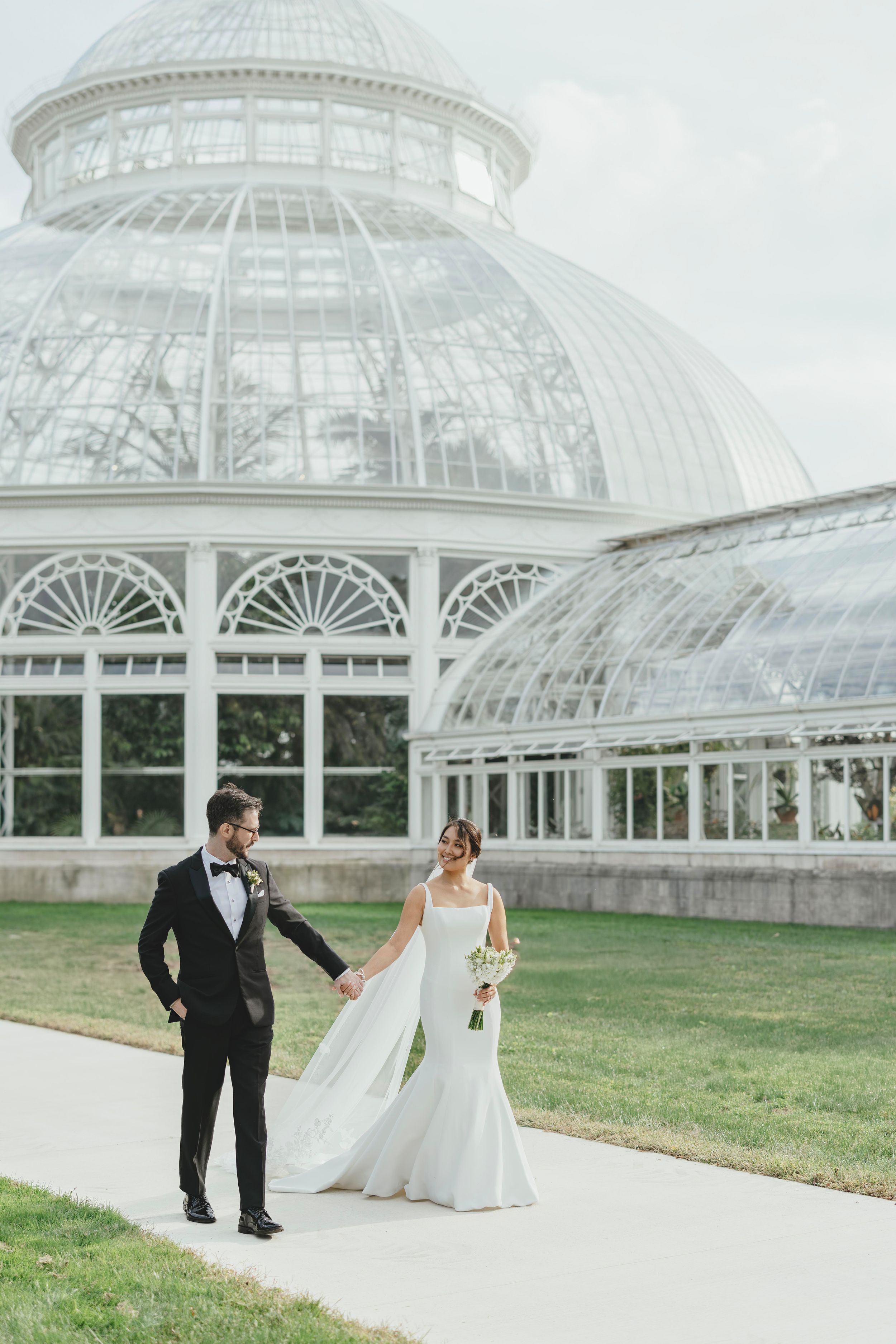
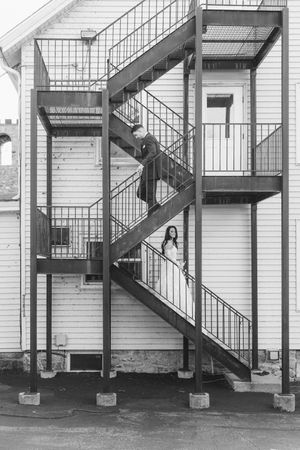
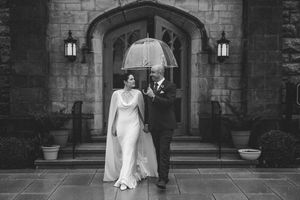
When it comes to portraits, I step in to guide you so you feel comfortable and look natural, but nothing is forced.
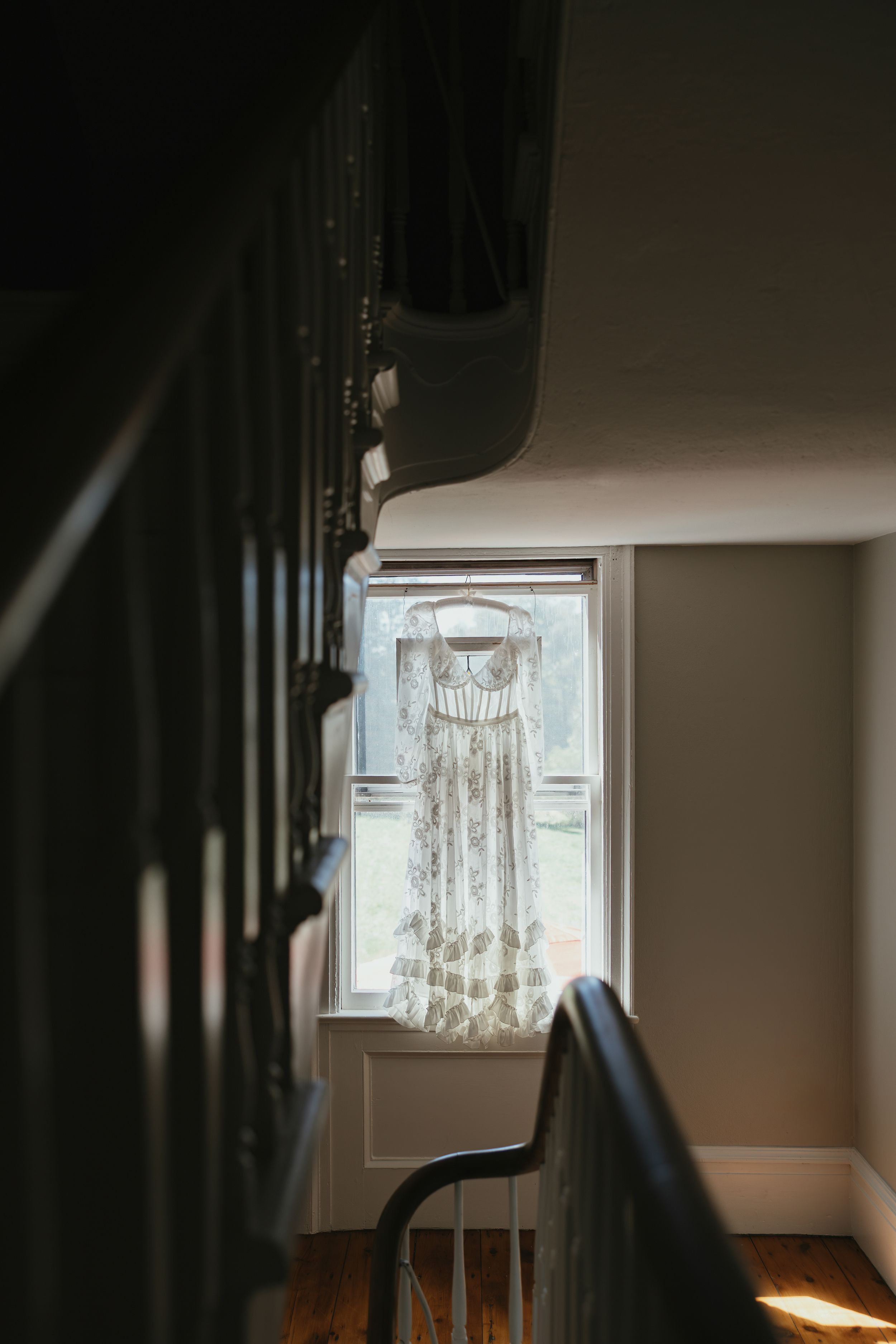
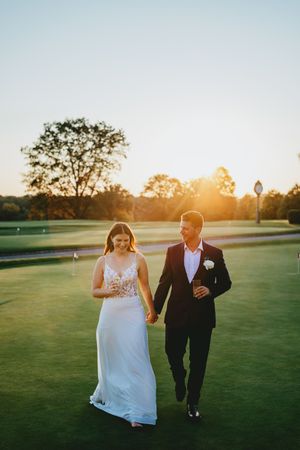
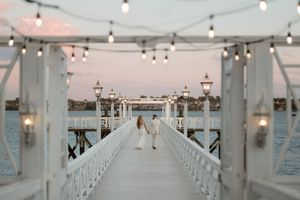
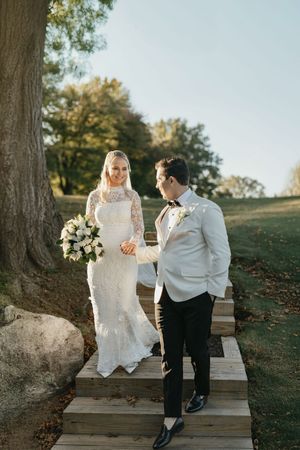
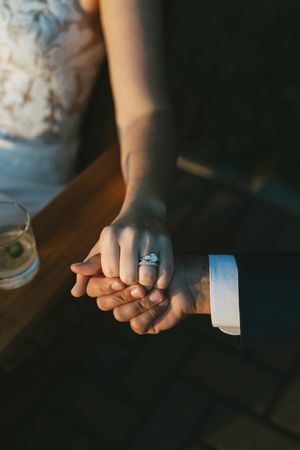
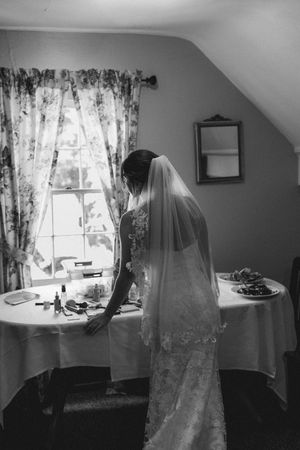
From an editing perspective, my work is true to color with a slight mood and subtle film influence.
That means:
- Colors stay natural and consistent
- Skin tones remain accurate
- There is depth and contrast without looking heavy
The goal is to create images that feel real to the moment but still refined.
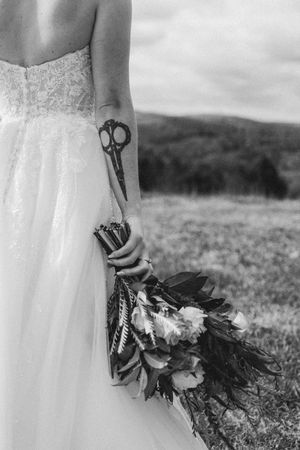
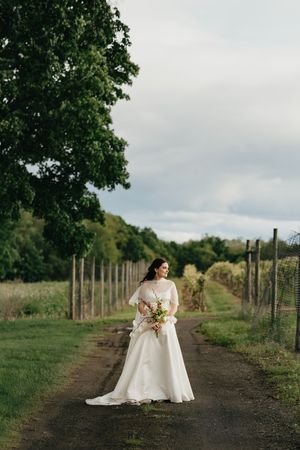
If you want to see how this looks across various wedding moments, view my portfolio below:


Final Thoughts
Wedding photography style is often treated as a label, but in practice it is much more nuanced.
Most couples start by trying to choose between styles like candid, editorial, or film. What matters more is how a photographer applies those approaches throughout a full wedding day.
A strong photographer is not locked into one style. They are constantly adjusting based on light, timing, and what is happening in front of them.
During a ceremony, the focus shifts to observation and anticipation. During portraits, it becomes about direction and composition. During a reception, it often comes down to reading energy and reacting quickly to moments as they unfold.
That balance is what separates a consistent gallery from one that feels disjointed.
Editing plays an equally important role. It is not just about making images look good individually. It is about creating a cohesive set of images that feel connected from beginning to end, even as lighting conditions change throughout the day.
This is where experience matters.
Understanding how different lighting environments affect color, how skin tones shift under mixed lighting, and how to maintain consistency across thousands of images is something that only comes from photographing real weddings repeatedly.
The goal is not to impose a style onto the day. It is to translate what actually happened into images that feel natural, consistent, and lasting.
When you are choosing a photographer, you are not just choosing a style. You are choosing how your wedding will be interpreted.
If you are planning a wedding in the Hudson Valley and want photography that captures real interactions while maintaining a refined and consistent look, the next step is to start a conversation.
Ready to Talk About Your Wedding?
If this approach resonates with you, the next step is simple.
Reach out and tell me about your wedding. I can help you think through timing, locations, and how to get the most out of your photography.


Krutick Photography | www.krutickphotography.com | richard@krutickphotography.com | 845-857-4980
