Blue Hill at Stone Barns Wedding Photographer | Luxury Hudson Valley Venue Guide
Blue Hill at Stone Barns is one of the most experience-driven wedding venues in the Hudson Valley, known for its farm-to-table dining, open landscapes, and immersive guest flow. The best photography here comes from understanding how light moves across the property, using transitional spaces intentionally, and building a timeline that works with the environment rather than against it.
If you’re searching for a Blue Hill at Stone Barns wedding photographer, what you’re really trying to figure out is this: who understands how to approach a venue like this without forcing it into a traditional wedding template.
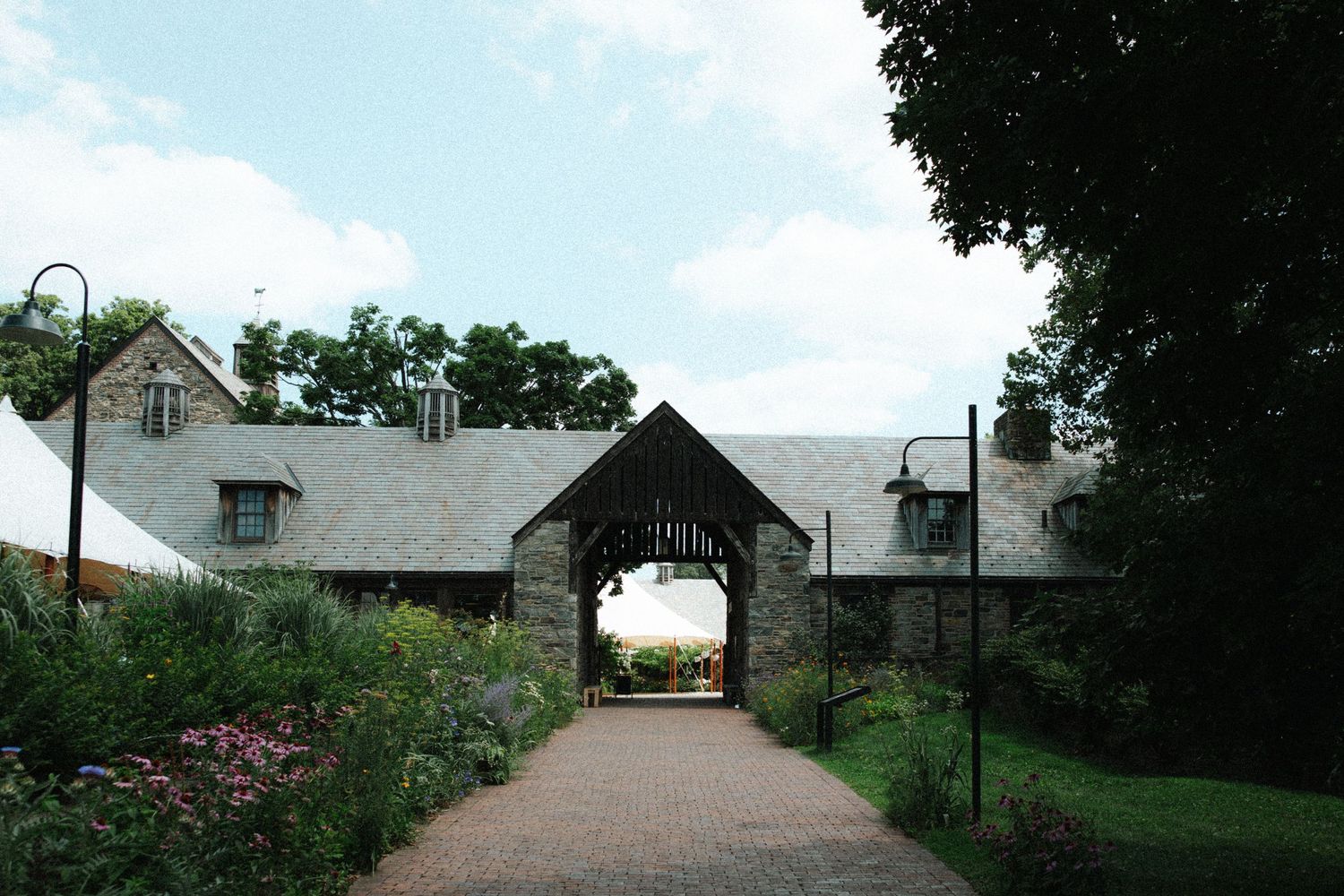
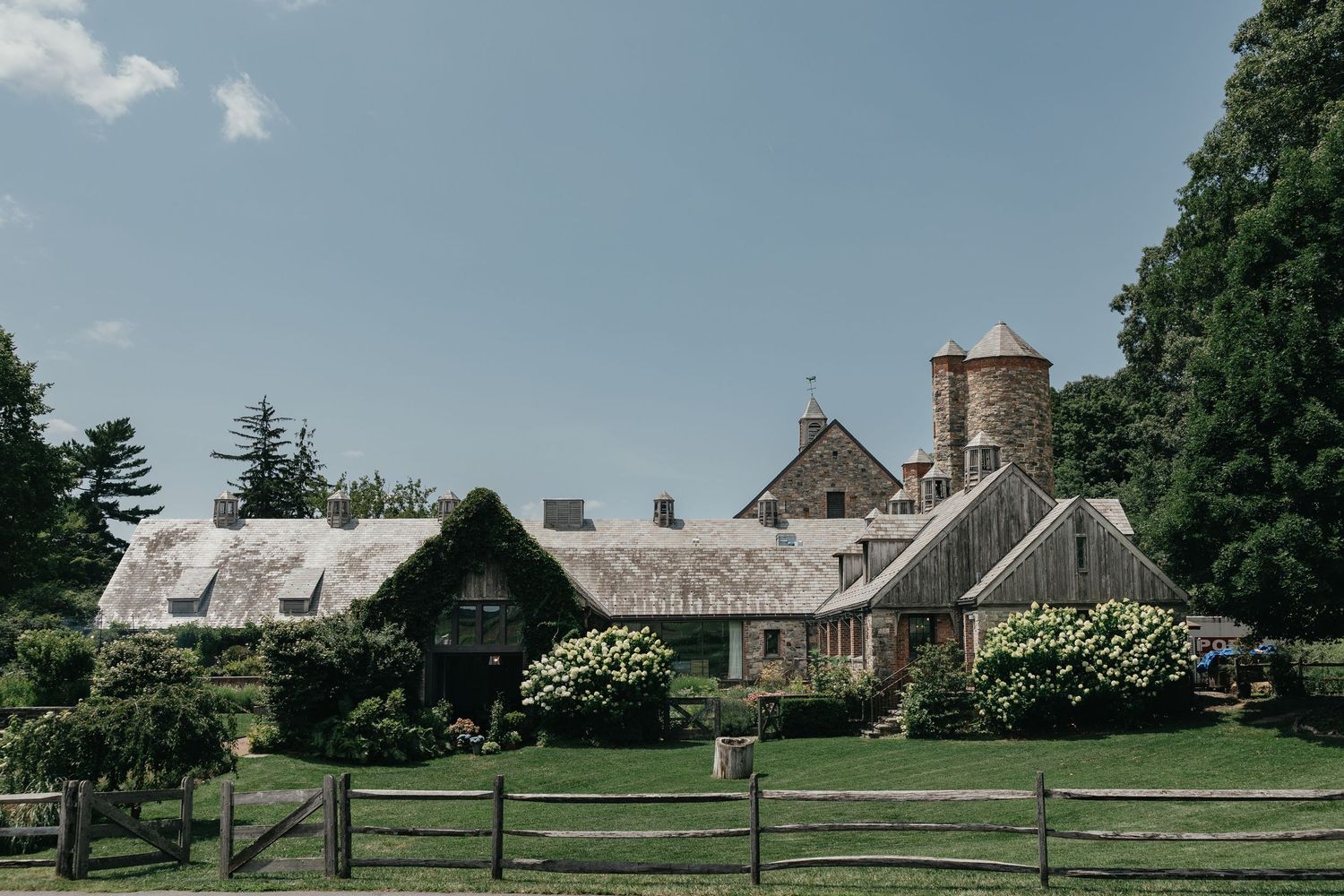
Blue Hill at Stone Barns is not built like most venues in the Hudson Valley or Westchester. It’s a working farm, a culinary destination, and a space designed around movement, seasonality, and experience. Blue Hill at Stone Barns was founded by chef Dan Barber on the former Rockefeller estate in Pocantico Hills, NY. The restaurant holds two Michelin Stars and a Michelin Green Star, and operates in partnership with the Stone Barns Center for Food and Agriculture — a nonprofit focused on regenerative farming and the future of food.
The day doesn’t unfold in a straight line here. It evolves. Guests explore, light shifts across open fields, and each part of the property plays a role at a different moment.
That has a direct impact on how a wedding should be photographed.
This isn’t a venue where you rely on a single “best spot” or repeat the same compositions throughout the day. The strength of Blue Hill is in its variety. Open landscapes, textured barn interiors, garden pathways, and transitional spaces all offer something different, but only if you know when and how to use them.
From a photography perspective, success here comes down to three things:
- Understanding flow — how the day moves across the property and where moments naturally happen
- Reading light in open environments — especially with limited structural shade
- Knowing when to step in and when to step back — letting the experience lead rather than interrupting it
As a Hudson Valley wedding photographer based in Poughkeepsie, I approach venues like Blue Hill with a clear strategy: observe first, guide when needed, and build a timeline that works with the environment instead of against it. That’s what allows the day to feel relaxed while still producing images that feel intentional and layered.
This guide breaks down exactly how to think about a wedding at Blue Hill at Stone Barns—from how the day flows, to where the strongest photos happen, to how to plan your timeline so you can actually enjoy the experience you’re investing in.
👉 If you’re planning your timeline, start here: Tips for a stress-free wedding timeline
Quick Facts About Blue Hill at Stone Barns Weddings
Blue Hill at Stone Barns is a luxury farm-to-table wedding venue in Pocantico Hills, NY, known for its immersive guest experience, refined barn architecture, and seasonal landscape. It hosts weddings of up to ~200 guests and is best suited for couples planning a highly curated, experience-driven celebration.
- Location: Pocantico Hills, NY (Westchester County)
- Setting: Working farm + luxury culinary estate
- Guest Capacity: ~200 guests (varies by event design)
- Venue Style: Modern rustic, refined agricultural, editorial
- Ceremony Options: Outdoor fields, courtyard spaces, seasonal setups
- Reception Spaces: HayLoft, main dining rooms, event barns
- Accommodations: No on-site lodging, nearby hotels in Tarrytown
- Best Seasons: Late spring through fall (May–October peak)
- Nearby Towns: Tarrytown, Sleepy Hollow, Irvington
- Known For: Farm-to-table dining, immersive guest experience, natural landscapes
👉 If you're exploring venues across the region, you can start with my full Hudson Valley wedding venue guide to compare locations, styles, and what to expect.
Where Is Blue Hill at Stone Barns Located, in Westchester, NY?
Blue Hill at Stone Barns is located in Pocantico Hills, NY in Westchester County, about 45 minutes north of New York City. It combines a secluded countryside setting with strong transportation access, making it ideal for guests traveling from NYC, Westchester, and the broader Hudson Valley.
Blue Hill at Stone Barns sits in a unique pocket of Westchester that feels far more remote than it actually is. While it’s close to major highways and train lines, once you enter the property, the environment shifts completely into open farmland and preserved landscape.
That balance is a major advantage when planning logistics.
How Do Guests Get to Blue Hill at Stone Barns from NYC and Westchester?
- From NYC:
- About 45–60 minutes by car depending on traffic. Most guests will either drive or use a combination of train + rideshare.
- Metro-North Access:
- The closest train stations are:
- Tarrytown Metro-North Station
- Irvington Metro-North Station
- Both are on the Hudson Line and offer frequent service from Grand Central Terminal.
- Last Mile Transportation:
- From the train station, guests will need:
- Uber / Lyft (10–15 minutes)
- Pre-arranged shuttle service (highly recommended for weddings)
Where Should Guests Stay Near Blue Hill at Stone Barns?
Nearby towns like Tarrytown and Sleepy Hollow are the most practical for hotel blocks.
Why this matters:
- Close enough for easy shuttle routes
- Walkable downtown areas for guests
- Multiple hotel tiers from boutique to larger accommodations
Do You Need Shuttle Transportation for a Blue Hill at Stone Barns Wedding?
Because the venue itself is set back and not walkable to hotels:
- Shuttles are strongly recommended for:
- Guest arrival before ceremony
- End-of-night departures
- Helps avoid:
- Parking congestion
- Rideshare delays in a rural pocket
What Should Vendors Know About Access and Setup at Blue Hill at Stone Barns?
From a planning standpoint, the venue is very manageable:
- Easy access for vendors via major roads
- No complicated urban load-ins
- Plenty of space for setup without interfering with guest experience
How the Location of Blue Hill at Stone Barns Impacts Wedding Photography
The logistics directly influence the photography experience:
- Guests arrive more relaxed (less travel friction)
- No public interruptions or foot traffic
- Clean, uninterrupted landscapes for ceremony and portraits
This is one of those venues where accessibility and seclusion coexist. That combination is what allows the day to feel elevated, intentional, and contained without being difficult to execute.
👉 https://www.bluehillfarm.com/
What Makes Blue Hill at Stone Barns a Unique Wedding Venue in Westchester, NY?
Blue Hill at Stone Barns is unique because it’s designed as a full sensory experience rather than a traditional wedding venue. The combination of a working farm, world-class culinary program, and intentionally fluid event flow creates a wedding day that feels immersive, dynamic, and highly personalized.
Most venues are built around a schedule. Blue Hill is built around an experience.
That distinction matters more than it sounds.
At a traditional venue, the structure is fixed. Ceremony, cocktail hour, reception. Each part happens in a defined place, often with minimal variation. At Blue Hill, the environment is part of the design. The property invites movement, the timing adapts to the experience, and the day unfolds in a way that feels less segmented and more continuous.
That changes how your wedding feels and how it should be approached.
Below are the elements that actually make this venue different in a meaningful way, not just on paper.
A Wedding Experience Designed Around Movement and Flow at Blue Hill at Stone Barns
Most wedding venues are built around a central room. Blue Hill at Stone Barns is built around the idea that a wedding should unfold, not just progress.
From the moment guests arrive, they’re not being directed into a single space and held there. They’re moving through the property, discovering it in stages. That movement is intentional. It creates energy shifts throughout the day without needing forced transitions or filler moments.
- Guests naturally explore different parts of the farm, which keeps engagement high
- Each phase of the day introduces a new visual environment, preventing repetition
- Transitions between spaces feel purposeful rather than logistical
Why this stands out:
At most venues, movement is something you try to minimize to keep things efficient. Here, movement is part of the design. It gives the day rhythm and creates natural momentum without needing constant direction.
Photography impact:
You’re not relying on one or two locations all day. The variety creates a layered story where each part of the wedding feels visually distinct.
A Farm-to-Table Culinary Experience That Shapes the Wedding Timeline
At Blue Hill, the culinary program isn’t a feature. It’s a foundation.
This is one of the few venues where the dining experience directly influences how the entire evening is structured. The pacing, the interaction, and even the atmosphere of the reception are shaped by how food is presented and experienced.
- Menus are driven by what’s being harvested on-site, making each wedding inherently seasonal
- Courses are timed to be experienced, not rushed through
- Guests are actively engaged during dinner rather than passively waiting between moments
Why this stands out:
At traditional venues, dinner is often compressed to move quickly into dancing. Here, dinner becomes one of the most memorable parts of the night. It slows the day down in a way that feels intentional rather than delayed.
Photography impact:
This creates a steady flow of genuine reactions. Conversations, expressions, and interactions become the focus, rather than staged moments or constant interruptions.
A Blend of Refined Barn Architecture and Open Hudson Valley Landscape
Blue Hill at Stone Barns offers something most venues can’t: contrast without compromise.
You’re not choosing between a barn venue or an open landscape. You’re getting both, and they work together seamlessly.
- Barn interiors provide warmth, texture, and controlled lighting
- Open fields create scale, depth, and clean compositions
- Garden pathways and courtyards act as transitional spaces between the two
Why this stands out:
Many venues lean heavily into one aesthetic. Here, the balance allows the day to feel dynamic without needing to leave the property or over-style the environment.
Photography impact:
You can shift between intimate, close-up moments and expansive, environmental portraits without changing locations. That flexibility is what creates a full, cohesive gallery.
An Environment That Encourages a Natural, Unscripted Wedding Experience
There’s a noticeable difference in how people behave at Blue Hill.
The setting doesn’t push people into formal structure. It invites them to settle in, explore, and engage with the experience. That shift changes the tone of the entire day.
- Guests are more relaxed because the environment doesn’t feel rigid
- Couples are less pulled in multiple directions at once
- The atmosphere encourages interaction rather than observation
Why this stands out:
Some venues create pressure to perform. Blue Hill removes that pressure. The result is a wedding that feels more lived-in and less staged.
Photography impact:
This is where candid photography thrives. Moments happen naturally because people are present, not because they’re being directed.
A Seasonal Wedding Venue Where the Landscape Evolves Throughout the Year
Blue Hill at Stone Barns is not a static venue. It changes with the seasons in a way that directly impacts the look and feel of your wedding.
The property isn’t styled to look the same year-round. It reflects what’s happening in the environment at that specific time.
- Spring brings fresh growth and softer tones
- Summer offers full, expansive greenery and longer light
- Fall introduces warmth, texture, and depth in the landscape
Why this stands out:
Your wedding won’t feel like a version of someone else’s. The season becomes part of the identity of the day, not just a backdrop.
Photography impact:
Color, light, and texture shift significantly depending on when you get married. This creates a distinct visual signature tied to your date.
👉 If you’re considering Blue Hill at Stone Barns, you may also want to compare it to other high-end Hudson Valley and Westchester wedding venues to see how it stacks up: Hudson Valley Venue Guide
What Is a Wedding Day Like at Blue Hill at Stone Barns? Full Venue Breakdown
A wedding at Blue Hill at Stone Barns is designed to feel immersive and fluid, with guests moving through multiple spaces across the property. The day unfolds through a series of intentional transitions—from arrival and ceremony to cocktail hour and reception—creating a dynamic experience that feels natural rather than staged.
Where Do You Get Ready for a Blue Hill at Stone Barns Wedding?
Getting ready for a Blue Hill at Stone Barns wedding almost always happens off-site, and that decision shapes the pace and feel of the entire day more than most couples expect. Unlike venues with built-in bridal suites, this setup requires intentional planning around timing, travel, and transitions. When done right, it creates a calm, controlled start to the day. When rushed, it can compress everything that follows.
This is less about location and more about how you build the morning. Where you choose to get ready, how close it is, and how you structure that time directly impacts how you arrive at the venue and how the rest of the day unfolds.
Most couples will use nearby towns like Tarrytown or Sleepy Hollow for hotels or private accommodations.
- Travel time needs to be built into the timeline intentionally
- Hair and makeup delays have a ripple effect since there’s no buffer on-site
- Arrival timing should be coordinated so the day starts smoothly, not rushed
Why this matters:
The tone of your wedding day is set here. A well-paced morning allows you to arrive at Blue Hill calm and present rather than catching up.
Photography insight:
This is where candid storytelling begins. Clean, natural getting ready coverage sets the tone for the rest of the gallery.
What Is the Arrival Experience Like at Blue Hill at Stone Barns Weddings?
Arrival at Blue Hill at Stone Barns feels fundamentally different from a traditional wedding venue. Guests are not funneled into a single entrance or immediately directed into a ballroom. Instead, they step into an open, working farm environment that gradually reveals itself. The space creates a sense of anticipation without needing formal staging.
This moment sets the tone for everything that follows. It signals to guests that this is not a conventional event. The environment encourages them to slow down, take in their surroundings, and engage with the space in a way that feels natural rather than directed.
The transition from off-site to on-property is one of the most underrated parts of the day.
When guests arrive, they’re not stepping into a lobby or ballroom. They’re entering a working farm environment that feels expansive and intentional.
- Open landscapes immediately shift the atmosphere away from “event” and toward “experience”
- Guests begin exploring the property organically
- There’s no visual clutter or outside distractions competing for attention
Why this matters:
The venue creates a sense of arrival without needing staging or decor. It sets expectations for the rest of the day.
Photography insight:
These early moments often produce some of the most natural candids. Guests are relaxed, curious, and fully present.
What Is the Wedding Ceremony Like at Blue Hill at Stone Barns?
A wedding ceremony at Blue Hill at Stone Barns is defined by its simplicity and its setting. Rather than relying on built structures or elaborate installations, the ceremony typically uses the natural landscape as its backdrop. Open fields, long sightlines, and minimal visual interference allow the focus to stay exactly where it should be.
This approach creates a ceremony that feels grounded and intentional. There’s nothing competing with the moment. The environment supports it without overwhelming it, which is a rare balance to find.
Ceremonies at Blue Hill are typically set against open landscapes rather than built structures.
- The backdrop is the environment itself rather than an architectural focal point
- Minimal design allows the setting and emotion to take priority
- Seating and layout can be adjusted based on light and positioning
Why this matters:
This creates a ceremony that feels grounded and real. There’s nothing competing with the moment.
Photography insight:
Positioning is everything. Small adjustments in angle and orientation can dramatically change how the background reads in photos.
What Is Cocktail Hour Like at Blue Hill at Stone Barns Weddings?
Cocktail hour at Blue Hill at Stone Barns is one of the most immersive parts of the entire wedding day. It’s not a pause between the ceremony and reception. It’s an experience in its own right. Guests move through different areas of the property, interact with the environment, and engage with the food in a way that feels active rather than passive.
This is where the energy of the day begins to build. Instead of guests standing in one place waiting to be called into the next room, they’re exploring, connecting, and fully participating in what’s happening around them.
At Blue Hill, cocktail hour is not a transition. It’s a core part of the experience.
- Guests move through different areas of the property
- Food becomes interactive and exploratory
- The energy naturally builds without needing direction
Why this matters:
This is where the wedding starts to feel alive. Guests are engaged, moving, and interacting.
Photography insight:
This is one of the richest storytelling windows of the entire day. Genuine reactions, movement, and interaction are happening constantly.
What Is the Reception Like in the HayLoft at Blue Hill at Stone Barns?
The reception at Blue Hill at Stone Barns, typically held in the HayLoft, introduces a completely different atmosphere from the earlier parts of the day. After spending time in open landscapes and outdoor environments, the shift into a more enclosed, textured space creates an immediate change in tone.
The HayLoft is warm, intimate, and layered with natural materials. It doesn’t rely on scale or brightness to make an impression. Instead, it creates a setting that feels grounded and intentional, where the focus shifts from the environment to the people within it.
The HayLoft offers a completely different environment than the outdoor portions of the day.
- Warm wood textures create a grounded, intimate feel
- Lighting is ambient and intentionally dim rather than bright and uniform
- The space supports both dining and dancing without feeling disconnected
Why this matters:
The shift from open landscape to enclosed space creates contrast. It signals a transition into a more intimate, energetic part of the night.
Photography insight:
This is where atmosphere takes over. Strong images here rely on understanding light, contrast, and how to preserve the mood of the space.
How Does a Blue Hill at Stone Barns Wedding Day Timeline Flow?
A Blue Hill at Stone Barns wedding does not follow a rigid, start-and-stop structure. Instead, the day unfolds as a continuous experience where each part naturally leads into the next. This is one of the defining characteristics of the venue and one of the biggest advantages when it’s planned correctly.
Rather than resetting energy between ceremony, cocktail hour, and reception, the day builds momentum. Each transition feels like a progression, not a shift. That continuity is what makes the entire experience feel cohesive and intentional from beginning to end.
The defining characteristic of a Blue Hill wedding is that it doesn’t feel segmented.
- Each part of the day connects naturally to the next
- There are no hard stops or forced transitions
- The experience builds gradually rather than resetting between phases
Why this matters:
Guests remain engaged throughout the entire event. The day feels cohesive rather than broken into parts.
Photography insight:
This allows for true documentary coverage. Instead of capturing isolated moments, you’re capturing a continuous story.
👉 If you’re planning your timeline around a venue like this, this guide will help you structure the day so it feels relaxed and not rushed: Tips for a stress-free timeline
Best Photo Locations at Blue Hill at Stone Barns for Wedding Photography
The best photo locations at Blue Hill at Stone Barns combine open farmland, barn architecture, and transitional garden spaces. The strongest images come from using directional light along pathways, timing portraits for golden hour in the fields, and avoiding flat open areas without structure during midday.
Best First Look Locations at Blue Hill at Stone Barns
A first look at Blue Hill should feel private, intentional, and visually grounded. The biggest mistake here is placing it in a wide-open field without structure or directional light. While the landscape is beautiful, it can feel visually flat and overly exposed if not used correctly.
The strongest first look locations at Blue Hill are transitional spaces. Areas where landscape meets structure, where light has direction, and where the environment naturally frames the moment.
- Garden pathways with tree coverage that create soft, directional light
- Edges of fields where tall grasses add depth without overwhelming the frame
- Courtyard-style spaces that offer clean backgrounds and controlled composition
Pro Insight:
You want a location that gives you separation from the background. Even a subtle line of trees, fencing, or elevation change will add depth and make the moment feel more intimate.
Where to Take Wedding Portraits at Blue Hill at Stone Barns
Portraits at Blue Hill are less about a single “best spot” and more about how you use the property as a whole. This is a venue that rewards movement and variety. The strongest galleries are built by layering different environments, not staying in one place.
What makes this venue powerful is the ability to shift quickly between textures and scale without disrupting the flow of the day.
- Open fields for wide, environmental portraits that show scale and setting
- Barn exteriors for texture, contrast, and more structured compositions
- Garden areas for layered, intimate framing with foreground interest
Pro Insight:
The best portraits here combine three layers: foreground, subject, and background. Avoid flat compositions in open space. Use natural elements to build depth into every frame.
Best Ceremony Photo Angles and Backdrops at Blue Hill at Stone Barns
Ceremony photography at Blue Hill is entirely dependent on positioning. The environment itself is the backdrop, which means small adjustments in angle and orientation have a significant impact on the final image.
Unlike venues with fixed structures, you have flexibility here. That flexibility is where the opportunity lies.
- Positioning the ceremony to use long horizon lines for depth
- Avoiding harsh overhead sun by adjusting orientation
- Using subtle elevation or landscape variation to create separation
Pro Insight:
The difference between an average ceremony photo and a strong one here often comes down to a few degrees of rotation. Where the sun sits and how the background falls behind the couple matters more than the exact location.
Best Locations for Family and Wedding Party Photos at Blue Hill at Stone Barns
Family and wedding party photos at Blue Hill should be efficient and intentional. This is not a venue where you want to spend extended time in formal groupings when there’s so much happening around you.
The key is finding a location that supports speed without sacrificing quality.
- Flat, evenly lit areas near the ceremony site for quick transitions
- Backgrounds that are clean and not overly busy
- Locations that minimize walking and repositioning
Pro Insight:
The goal is not to create the most elaborate group photos. It’s to get clean, well-lit images quickly so you can get back to the experience. This venue rewards time spent elsewhere.
Golden Hour Photo Locations at Blue Hill at Stone Barns
Golden hour at Blue Hill is one of the most visually rewarding moments of the day, but it requires planning. The open landscape creates beautiful light, but it also means you need to be intentional about where you position yourselves.
This is not a time to wander. It’s a time to execute.
- Field edges where the sun drops low and creates directional light
- Fence lines and pathways that add structure and depth
- Slight elevation changes that help separate the couple from the horizon
Pro Insight:
Golden hour here is brief but powerful. The best results come from pre-selecting your location and stepping away for 10–15 focused minutes rather than trying to cover multiple spots.
Rain Plan Photo Locations at Blue Hill at Stone Barns
Rain at Blue Hill doesn’t limit your options. It shifts the aesthetic.
The barn interiors and transitional covered spaces provide a completely different visual tone that can feel more cinematic and editorial when used correctly.
- Interior barn spaces with natural texture and contrast
- Doorways and thresholds that create framing and depth
- Covered walkways that allow for movement while staying protected
Pro Insight:
Lean into the mood. Rain adds atmosphere. The goal is not to replicate a sunny day but to create something that feels intentional within the conditions.
Blue Hill at Stone Barns Wedding Timeline and Lighting Strategy
Lighting at Blue Hill at Stone Barns is highly dependent on timing because of its open landscape and limited built shade. The best results come from scheduling key moments around softer light windows, using structured areas earlier in the day, and planning golden hour portraits with precision rather than flexibility.
How to Time Your Ceremony for the Best Natural Light at Blue Hill at Stone Barns
Ceremony timing at Blue Hill is one of the most important decisions you’ll make because the venue offers very little natural protection from overhead light.
Unlike venues with built-in structures or heavy tree coverage, the open landscape exposes everything. That can either work in your favor or against you depending on timing.
The goal is not just “good light,” but consistent, flattering light across the entire ceremony, from processional to recessional.
- Midday ceremonies introduce harsh shadows, bright highlights, and uneven skin tones
- Late afternoon ceremonies soften light and create more even exposure across faces
- Sun position impacts not just brightness, but how backgrounds render in photos
Expert Insight:
The best ceremony timing is typically 1.5 to 2 hours before sunset. This avoids the harshest light while still giving you flexibility for portraits and a smooth transition into cocktail hour.
How to Structure Portrait Time Around Light Instead of the Clock
At Blue Hill, portrait timing should not be treated as a fixed block on a schedule. It should be layered throughout the day based on lighting conditions.
This is where most timelines fall short. They treat portraits as a single event rather than a series of opportunities.
- Early portraits should prioritize controlled or shaded environments
- Midday should be minimized or used strategically with structure
- Golden hour should be reserved for your most important, open-environment portraits
Expert Insight:
Instead of doing all portraits at once, break them into two phases:
- Earlier, efficient portraits for coverage
- Later, intentional portraits for quality
This gives you both flexibility and stronger final images.
Golden Hour Timing at Blue Hill at Stone Barns: When and How to Use It
Golden hour at Blue Hill is one of the most powerful visual moments of the day, but it’s not forgiving. The open landscape means the light changes quickly and disappears just as fast.
The mistake is treating golden hour as optional or flexible. It needs to be planned with intention and precision.
- The window is often 10–20 minutes of peak light, not a full hour
- Positioning relative to the sun determines whether the light feels dimensional or flat
- Moving locations during this time reduces the impact significantly
Expert Insight:
Pre-select one location and commit to it. Step away from the reception for a focused window rather than trying to “fit it in.” This is where your most visually striking images will come from.
Managing Midday Light in an Open Landscape Venue
Midday light is the most challenging condition at Blue Hill because there is limited natural coverage. This is where experience and planning matter most.
You’re not trying to eliminate midday light. You’re trying to control how and where you use it.
- Avoid placing key moments in fully exposed, overhead sun
- Use structures, barns, and transitional areas to create shade
- Keep subjects oriented consistently relative to the sun to avoid uneven lighting
Expert Insight:
Midday is best used for movement, candids, and less critical moments. Save your most important portraits for better light windows rather than forcing them into harsh conditions.
How Reception Lighting at Blue Hill Impacts Photography
The reception space at Blue Hill, particularly the HayLoft, is designed for atmosphere, not brightness. This creates a completely different lighting environment than the rest of the day.
This is intentional. The space is meant to feel warm, intimate, and immersive.
- Lighting is ambient and low, with a focus on mood rather than visibility
- Mixed light sources create depth but require careful handling
- The environment supports a more cinematic look rather than a bright, clean aesthetic
Expert Insight:
The goal here is not to overpower the space with light. It’s to work within it. Preserving the atmosphere while still capturing energy and emotion is what defines strong reception photography at this venue.
Building a Timeline That Works With the Venue, Not Against It
The biggest mistake couples make is applying a generic wedding timeline to a non-traditional venue. Blue Hill requires a timeline that adapts to the environment, not the other way around.
This means thinking about:
- Light first, then schedule
- Experience flow, not just timing blocks
- Flexibility built into key parts of the day
Expert Insight:
A strong timeline at Blue Hill prioritizes:
- Light quality over convenience
- Experience over rigid structure
- Intentional transitions over tight scheduling
When those elements are aligned, the entire day feels effortless.
👉 If you’re planning your timeline around a venue like this, this guide will help you structure the day so it feels relaxed and not rushed: Tips for a stress-free timeline
Best Time of Year for a Blue Hill at Stone Barns Wedding in Westchester, NY
The best time of year for a Blue Hill at Stone Barns wedding is late spring through early fall, when the farm is active and the landscape is at its peak. Each season offers a different experience, with spring bringing fresh growth, summer offering full greenery and longer days, and fall delivering warm tones and the most visually dynamic setting.
Spring Weddings at Blue Hill at Stone Barns (May–June): Fresh Growth and a Softer Pace
Spring at Blue Hill is defined by renewal. The property begins to come alive again after winter, and that energy is reflected in the overall feel of the wedding day. It’s not just about color returning to the landscape, but about the way the space feels quieter, less saturated, and more open.
This is a season that tends to favor couples who want a more relaxed atmosphere without the peak-season intensity.
- Early-season greenery creates a lighter, more understated backdrop
- The farm is active, but not yet at peak density, which keeps visuals clean and uncluttered
- Temperatures are generally mild, making movement across the property more comfortable
Expert Insight:
Spring gives you more flexibility in how the day unfolds. It’s one of the few times of year where you can lean into the venue’s openness without competing with peak-season demand or density.
Summer Weddings at Blue Hill at Stone Barns (July–August): Full Landscape and Extended Evenings
Summer is when the property is at its most expansive. The fields are full, the gardens are dense, and the entire environment feels alive. There’s a sense of abundance that carries through the entire experience.
This is the most immersive version of Blue Hill, but it also requires thoughtful planning to manage comfort and pacing.
- The landscape reaches full saturation, creating a rich, layered environment
- Longer days allow for a more extended timeline without feeling rushed
- Evenings stretch out, giving more time for outdoor experiences
Expert Insight:
Summer works best when you build in breathing room. The environment is at its peak, but so is the intensity. A well-paced timeline makes the difference between the day feeling immersive versus overwhelming.
Fall Weddings at Blue Hill at Stone Barns (September–October): Peak Atmosphere and Visual Depth
Fall is widely considered the strongest season at Blue Hill, but not just because of foliage. It’s the combination of color, texture, and overall atmosphere that makes it stand out.
Everything feels more defined. The light, the landscape, and the overall tone of the day come together in a way that feels complete.
- Warm tones in the landscape add depth and contrast
- The environment feels more textured and dimensional
- Cooler temperatures make movement throughout the property more comfortable
Expert Insight:
Fall is the most visually dynamic season, but it’s also the most in demand. The advantage here isn’t just aesthetics. It’s how cohesive the entire experience feels from start to finish.
What About Winter Weddings at Blue Hill at Stone Barns?
Winter weddings at Blue Hill are less common, but they offer a completely different interpretation of the space. Without the full landscape in play, the focus shifts toward architecture, interiors, and atmosphere.
This is a more minimal, stripped-down version of the venue that can feel highly intentional when approached correctly.
- The absence of greenery creates a cleaner, more simplified visual environment
- Interiors take on a more prominent role in the overall experience
- The tone of the day becomes more intimate and contained
Expert Insight:
Winter is not about replicating other seasons. It’s about embracing a different version of the venue entirely. When done intentionally, it can feel refined and editorial rather than limited.
How to Choose the Right Season for Your Blue Hill at Stone Barns Wedding
Choosing a season at Blue Hill is less about “what looks best” and more about what kind of experience you want to create.
Each season changes how the property feels, how guests move through it, and how the day unfolds.
- Spring favors flexibility and a quieter atmosphere
- Summer emphasizes abundance and energy
- Fall delivers the most complete and visually rich experience
- Winter offers a more intimate, design-forward approach
Expert Insight:
The best season is the one that aligns with how you want your wedding to feel, not just how you want it to look.
👉 If you’re trying to decide how much coverage you actually need based on your season and timeline, this guide breaks it down clearly: How much wedding photography do you need?
Blue Hill at Stone Barns vs Other Luxury Wedding Venues in the Hudson Valley and Westchester
Blue Hill at Stone Barns is best compared to other high-end, experience-driven wedding venues like Cedar Lakes Estate, Mohonk Mountain House, and Glenmere Mansion. While all offer luxury, they differ in how that luxury is expressed—through food, landscape, architecture, or full weekend experiences.
Blue Hill at Stone Barns vs Cedar Lakes Estate Weddings
Cedar Lakes Estate is one of the closest conceptual comparisons to Blue Hill at Stone Barns because both venues are built around the idea that a wedding should feel like an experience rather than a single event. They attract a similar couple—typically design-conscious, guest-experience-focused, and willing to invest in a setting that goes beyond a standard venue format. At a high level, both offer immersion, strong identity, and a departure from traditional ballroom or estate weddings.
Where they diverge is in how that experience is structured and delivered. Cedar Lakes expands the timeline outward, turning the wedding into a multi-day retreat where guests stay on-site and participate in a shared weekend. Blue Hill compresses the experience into a single day but elevates every part of it through precision, pacing, and a deeply integrated culinary program. One prioritizes time and community over multiple days. The other prioritizes intention and refinement within a single, highly curated experience.
Cedar Lakes is structured as a full weekend, camp-style luxury retreat. Blue Hill is a single-day, culinary-driven experience rooted in refinement and subtlety.
- Choose Blue Hill if you want a highly curated, food-centric experience that unfolds with precision
- Choose Cedar Lakes if you want a multi-day wedding with activities, lodging, and a more social, retreat-like atmosphere
- Blue Hill feels controlled, intentional, and editorial
- Cedar Lakes feels expansive, communal, and experiential over multiple days
Deeper difference:
At Cedar Lakes, the experience is built around time. Guests settle in, stay overnight, and the wedding becomes a shared weekend. At Blue Hill, the experience is built around focus. Every moment is intentional, and the day is designed to feel complete without extending beyond it.
Photography perspective:
Cedar Lakes gives you variety across multiple days and environments. Blue Hill gives you a tighter, more refined visual narrative where every frame feels deliberate.
Blue Hill at Stone Barns vs Wildflower Farms, Auberge Resorts Collection Weddings
Wildflower Farms is one of the closest modern luxury comparisons to Blue Hill at Stone Barns in the Hudson Valley. Both venues are rooted in nature, elevated design, and a highly curated guest experience. They attract couples who care deeply about atmosphere, intention, and creating a wedding that feels immersive rather than traditional.
Where they diverge is in how that experience is structured and where the focus is placed.
Wildflower Farms is a luxury resort experience first. It blends high-end accommodations, wellness, and landscape into a multi-day destination setting where guests stay on-site and the wedding becomes part of a broader retreat. Blue Hill is a culinary and experiential venue first, where the day is tightly curated and built around movement, food, and a single, highly intentional event.
- Choose Blue Hill if you want a refined, food-driven experience that unfolds over one highly curated day
- Choose Wildflower Farms if you want a multi-day, resort-style wedding where guests stay, relax, and engage across the entire property
- Blue Hill feels structured, immersive, and quietly intentional
- Wildflower Farms feels expansive, relaxed, and hospitality-driven
Deeper difference:
Wildflower Farms extends the experience across time. Guests arrive, settle in, and experience the property over multiple days. Blue Hill compresses the experience into a single day but elevates every moment through precision and pacing. One prioritizes duration and hospitality. The other prioritizes focus and flow.
Photography perspective:
Wildflower Farms offers a softer, more lifestyle-driven aesthetic with mountain views, open meadows, and resort-style details. Blue Hill offers more variation within a tighter footprint, with a stronger emphasis on storytelling through movement and changing environments. Wildflower feels like a retreat. Blue Hill feels like a narrative.
Blue Hill at Stone Barns vs Mohonk Mountain House Weddings
Mohonk Mountain House operates at a similar level of recognition and demand, but it represents a completely different interpretation of luxury within the Hudson Valley. It is one of the most iconic venues in the region, known for its dramatic setting, historic architecture, and the immediate visual impact it creates the moment guests arrive. Couples considering Mohonk are often drawn to its sense of scale and its ability to deliver a setting that feels both grand and unmistakable.
Blue Hill sits at the opposite end of that spectrum. Instead of creating impact through scale and spectacle, it creates it through subtlety, movement, and detail. The experience reveals itself over time rather than all at once. Where Mohonk presents a clear, iconic visual identity from the start, Blue Hill builds a more layered experience that unfolds gradually. The comparison isn’t about which is more impressive—it’s about whether you want your wedding defined by dramatic presence or by immersive depth.
Mohonk is about grandeur and landscape at scale. Blue Hill is about refinement and intimacy within the landscape.
- Choose Blue Hill if you want a more grounded, design-forward experience connected to food and environment
- Choose Mohonk if you want dramatic views, historic architecture, and a sense of spectacle
- Blue Hill feels understated and immersive
- Mohonk feels expansive and visually commanding
Deeper difference:
Mohonk creates impact through scale. Cliffs, lake views, Victorian architecture. Blue Hill creates impact through detail. Texture, movement, seasonality, and experience design.
Photography perspective:
Mohonk produces sweeping, iconic images. Blue Hill produces layered, story-driven imagery. The choice comes down to whether you want your gallery defined by place or by experience.
Blue Hill at Stone Barns vs Glenmere Mansion Weddings
Glenmere Mansion represents one of the highest tiers of luxury in the Hudson Valley and is often considered by couples who are evaluating Blue Hill at a similar price point. Both venues cater to a clientele that values exclusivity, elevated service, and a highly curated experience. On paper, they sit in the same category. In practice, they express luxury in fundamentally different ways.
Glenmere is rooted in privacy, control, and classic European-style estate living. It feels self-contained, insulated, and intentionally removed from the outside world. Blue Hill, by contrast, is outward-facing. It connects you to the land, the season, and the environment around you. One is about stepping away from everything into a private world. The other is about stepping into a living, evolving environment and becoming part of it. That distinction shapes not just the look of the wedding, but how it feels from beginning to end.
This is where the distinction becomes more philosophical than logistical.
- Choose Blue Hill if you value understated luxury expressed through experience, food, and environment
- Choose Glenmere if you want privacy, exclusivity, and a more traditional expression of luxury
- Blue Hill feels intellectual, seasonal, and experience-driven
- Glenmere feels private, elevated, and classically luxurious
Deeper difference:
Glenmere is about seclusion and control. It feels like a private estate removed from the world. Blue Hill is about connection and engagement. It invites guests into an environment that feels alive and evolving.
Photography perspective:
Glenmere is architectural and composed. Blue Hill is atmospheric and narrative-driven. Both are high-end, but they tell very different visual stories.
👉 Considering Mohonk Mountain House? Read my full guide to see how to plan around the light, locations, and flow of the property for the best possible experience
Blue Hill at Stone Barns vs Troutbeck Weddings
Troutbeck is a more understated but highly relevant comparison for couples who are drawn to thoughtful design, quiet luxury, and venues with a strong sense of place. It attracts a similar audience—couples who care about atmosphere, intention, and a wedding that feels personal rather than overly produced. Both venues prioritize experience over spectacle, but they arrive there through very different approaches.
Troutbeck feels residential and familiar, like an elevated country estate where the wedding integrates naturally into the environment. Blue Hill feels more curated and purpose-built, with each part of the day intentionally designed to guide the experience. Troutbeck leans into comfort, intimacy, and ease. Blue Hill leans into structure, progression, and a clearly defined point of view. The difference comes down to whether you want your wedding to feel like an extension of a home or a fully designed experience shaped from the ground up.
It attracts a similar type of couple, but the experience is more intimate and less structured around a central concept like Blue Hill’s culinary identity.
- Choose Blue Hill if you want a defined, immersive experience built around food and movement
- Choose Troutbeck if you want a relaxed, literary, countryside estate feel
- Blue Hill feels curated and experiential
- Troutbeck feels calm, understated, and residential
Deeper difference:
Troutbeck feels like a private home elevated for events. Blue Hill feels like a purpose-built experience designed from the ground up.
Photography perspective:
Troutbeck leans into softness and intimacy. Blue Hill offers more variation and visual contrast throughout the day.
👉 Thinking about Troutbeck? Read my full guide to understand how to plan across the estate, manage the timeline, and make the most of the property for your photos
Which Venue Is Most Similar to Blue Hill at Stone Barns?
The closest comparison is Cedar Lakes Estate, but even that only overlaps in structure, not execution.
There is no venue in the Hudson Valley or Westchester that fully replicates:
- A working farm environment
- A culinary program driving the experience
- A wedding day designed around movement rather than a central space
Most competitors match Blue Hill in price point or audience, but not in how the experience is constructed.
Who Should Choose Blue Hill at Stone Barns Over These Other Venues?
Blue Hill is the right fit if your priority is not just how your wedding looks, but how it feels from start to finish.
- You care deeply about guest experience and interaction
- You want the environment to shape the day, not just frame it
- You prefer understated luxury over traditional or grand presentation
- You value storytelling and atmosphere over a single iconic backdrop
This is a venue for couples who want their wedding to feel intentional without being performative.
👉If you’re still narrowing down venues, this guide breaks down how to choose the right wedding venue based on your priorities, not just aesthetics: Hudson Valley Venue Guide
Is Blue Hill at Stone Barns Worth It for Your Wedding? Honest Review
Blue Hill at Stone Barns is worth it for couples who prioritize guest experience, food, and a wedding that feels immersive rather than traditional. It’s best suited for those who value intention, movement, and atmosphere over a fixed format or a single visual focal point.
Blue Hill at Stone Barns is not a venue that tries to appeal to everyone. And that’s exactly why it works so well for the right couple.
The value here isn’t tied to a checklist of features or how many amenities are included. It comes from how the entire experience is constructed. From the moment guests arrive to the final part of the evening, everything is designed to feel connected, thoughtful, and deliberate.
If you’re evaluating whether it’s “worth it,” the better question is whether this type of experience aligns with how you want your wedding to feel.
Who Is Blue Hill at Stone Barns the Best Wedding Venue For?
This venue is a strong fit for couples who want their wedding to feel distinct without relying on obvious or traditional markers of luxury.
- You care deeply about how your guests experience the day, not just how it looks
- You want food to be a central part of the wedding, not an afterthought
- You’re drawn to environments that feel natural, layered, and intentional
- You prefer a day that unfolds organically rather than following a rigid structure
- You value subtlety and refinement over scale and spectacle
What this means in practice:
Your wedding will feel immersive and cohesive. Guests will remember how it felt to be there, not just what it looked like.
Who Should Not Choose Blue Hill at Stone Barns for Their Wedding?
Blue Hill is highly specific in how it delivers its experience, and that won’t align with every couple’s vision.
- You want a highly traditional format with clearly defined spaces and structure
- You’re looking for dramatic architecture or a visually dominant backdrop
- You prefer a venue where everything happens in one central location
- You want a faster-paced reception with less emphasis on the dining experience
- You’re prioritizing scale or spectacle over atmosphere
What this means in practice:
You may find yourself trying to reshape the venue to fit a different vision, which is when it stops working in your favor.
What Makes Blue Hill at Stone Barns Worth the Cost?
What makes Blue Hill worth the investment isn’t any single element. It’s how everything works together.
- The culinary program is not just high quality. It’s integrated into the entire experience
- The environment changes throughout the day, creating variety without needing multiple locations
- The flow of the event keeps guests engaged without feeling rushed or over-structured
- The overall tone feels intentional without being overly produced
Expert Perspective:
This is a venue where the value compounds. Each part of the day builds on the last, creating a complete experience rather than a series of disconnected moments.
Is Blue Hill at Stone Barns Worth It for Your Wedding Day? Final Thoughts
If you’re looking for a venue that delivers a highly curated, experience-driven wedding with a strong point of view, Blue Hill at Stone Barns is absolutely worth it.
If you’re looking for something more traditional, more structured, or more visually centered around a single focal point, there are better fits.
The right way to think about Blue Hill is not whether it’s “better” than other venues, but whether it aligns with how you want your wedding to feel from start to finish.
Blue Hill at Stone Barns Wedding FAQ (Planning, Logistics, and Photography)
Can you have a fully private wedding at Blue Hill at Stone Barns?
Yes, weddings at Blue Hill at Stone Barns are typically private events, meaning your guests have exclusive access to designated areas of the property during your celebration. The experience is designed to feel contained and intentional, even though the property itself is expansive.
How long does a Blue Hill at Stone Barns wedding typically last?
Most weddings at Blue Hill at Stone Barns run between 6–8 hours on-site, depending on the structure of the day. Because the experience is designed to flow rather than follow a rigid schedule, the pacing often feels longer and more immersive than a traditional timeline.
Can you do both indoor and outdoor elements at a Blue Hill at Stone Barns wedding?
Yes, most weddings naturally incorporate both indoor and outdoor spaces. The venue is designed for movement, so guests will typically experience multiple environments throughout the day without it feeling disjointed.
What happens if it rains at Blue Hill at Stone Barns?
Blue Hill has strong indoor alternatives that maintain the integrity of the experience. While the setting shifts, the overall flow of the day remains intact, and the venue still supports a cohesive and intentional atmosphere.
Is Blue Hill at Stone Barns difficult for older guests or accessibility?
The property does involve movement between spaces, which is an important consideration for accessibility. However, with proper planning—such as transportation assistance and thoughtful pacing—the experience can be comfortable for guests of all ages.
Can you customize the food and menu at Blue Hill at Stone Barns weddings?
The menu is highly curated and driven by what is available on the farm at the time of your wedding. While it’s not a traditional pick-and-choose catering format, the experience is designed to reflect seasonality and creativity at a high level.
Is Blue Hill at Stone Barns a good venue for a destination wedding from NYC?
Yes, it’s one of the best options for a destination-style wedding close to New York City. It offers a true escape in feel while still being easily accessible for guests traveling from the city.
How far in advance should you book Blue Hill at Stone Barns for a wedding?
Due to its demand and limited availability, couples typically book Blue Hill at Stone Barns well over a year in advance, especially for peak seasons like fall.
Can you take photos across the entire Blue Hill at Stone Barns property?
Photography is generally focused within designated event areas, but the property offers enough variety within those spaces to create a diverse and complete gallery without needing to travel far.
What type of couple is Blue Hill at Stone Barns best suited for?
Blue Hill is best suited for couples who prioritize experience, food, and atmosphere over tradition. It attracts those who want a wedding that feels intentional, immersive, and distinct from a standard venue format.
Planning a Wedding at Blue Hill at Stone Barns
Planning a wedding at Blue Hill at Stone Barns requires a thoughtful approach to timing, guest experience, and how the day flows across the property. The venue works best when the timeline, movement, and environment are aligned, creating a wedding that feels seamless, immersive, and intentional.
Planning a wedding at Blue Hill at Stone Barns is less about assembling a checklist and more about understanding how the entire experience comes together.
This is not a venue where you can apply a standard timeline, move through a fixed set of locations, and expect everything to fall into place. The strength of Blue Hill is in how the day unfolds. The movement between spaces, the pacing of the experience, and the way the environment changes throughout the day all play a role in how your wedding feels.
When those elements are aligned, the result is a wedding that feels effortless. When they’re not, the day can feel compressed or disjointed.
How to Plan a Wedding at Blue Hill at Stone Barns for the Best Experience
A strong Blue Hill wedding is built on a few key decisions made early and executed with intention.
- Build your timeline around the environment
- Let light, movement, and guest flow guide your schedule rather than forcing a rigid structure
- Prioritize experience over coverage
- This venue rewards time spent engaging with guests and the setting, not extended formal sessions
- Be intentional about transitions
- Moving between spaces should feel natural and paced, not rushed or reactive
- Give yourself space in the day
- Buffer time allows the experience to breathe and prevents the schedule from tightening
What Most Couples Don’t Realize When Planning a Blue Hill at Stone Barns Wedding
The biggest shift with Blue Hill is that the venue does a lot of the heavy lifting for you. You don’t need to over-design the day or force moments into place.
- The environment already creates variety and depth
- The culinary experience keeps guests engaged throughout
- The flow of the property naturally supports a full, immersive timeline
The opportunity here is to step back and let the venue work the way it was designed to.
Is Blue Hill at Stone Barns the Right Wedding Venue for Your Vision? Final Thoughts
Blue Hill at Stone Barns is one of the few venues where the experience becomes the defining element of the wedding. It’s not about a single backdrop or one standout moment. It’s about how everything connects from beginning to end.
If you approach it with that mindset, the day will feel cohesive, intentional, and memorable in a way that doesn’t rely on overproduction.
Contact & Next Steps
If you’re planning a wedding at Blue Hill at Stone Barns and want photography that understands how to work within a space like this, I’d love to connect.
My approach is built around reading the environment, keeping the day moving naturally, and capturing moments as they actually happen rather than forcing them. That’s what allows a venue like this to come through fully in your photos.
👉 Reach out here to check availability and start the conversation: Contact Krutick Photography