How to Choose a Wedding Photographer (Expert Guide for Couples Who Want Photos That Last, 2026)
The best wedding photographer is someone whose style you connect with, who consistently delivers full wedding galleries, and who can guide your day while capturing real, natural moments.
Choosing a wedding photographer is one of the most important decisions you’ll make when planning your wedding. It’s not just about hiring someone to take photos. It’s about choosing the person responsible for preserving how your day actually felt.
Once the day is over, everything else fades. The flowers are gone, the music stops, and the details blur together. Your photos are the only thing that remain. They become how you remember, relive, and share your wedding for the rest of your life.
I’m Richard Krutick, a Hudson Valley wedding photographer based in Poughkeepsie, NY. I’ve photographed weddings across a wide range of venues and timelines, and I’ve seen firsthand what actually holds up over time and what couples end up valuing most years later.
If you’re trying to figure out how to choose the right wedding photographer, this guide breaks down exactly what matters, what to look for, and how to make the right decision with confidence.
Why Choosing the Right Wedding Photographer Matters More Than You Think
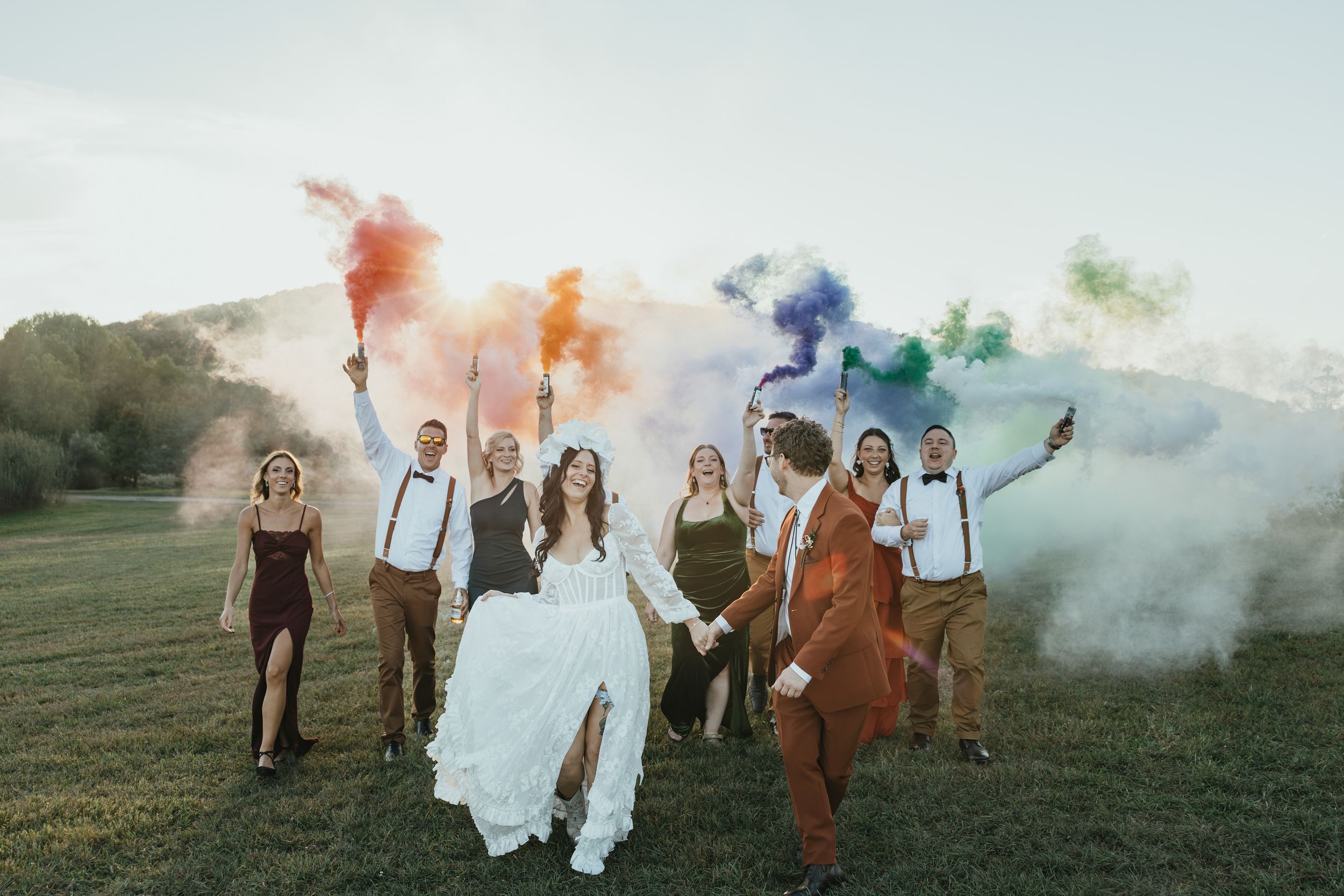
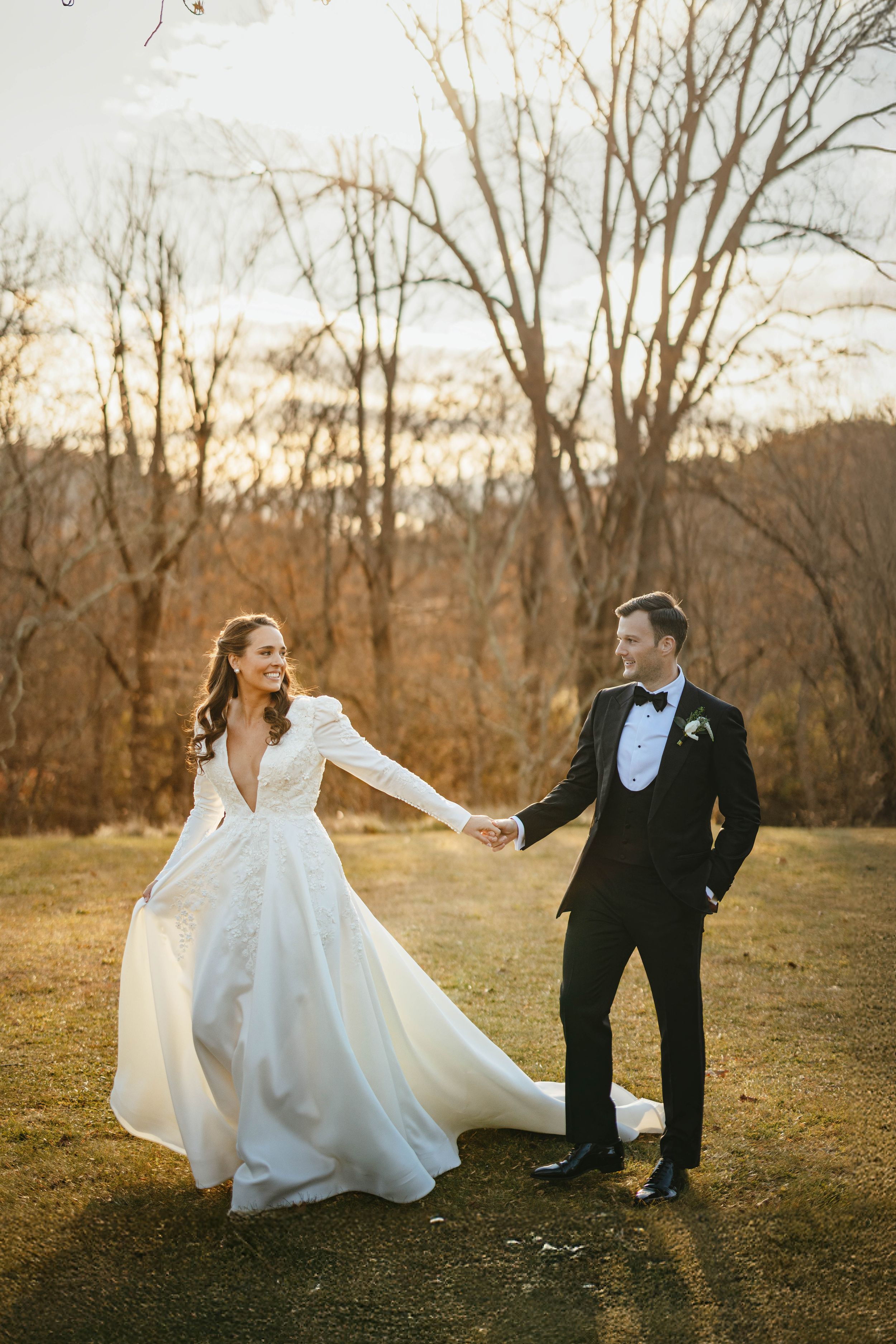
Wedding photography matters because it is the only lasting record of your wedding day and the only way to relive moments you did not see in real time.
Wedding photography is often treated like just another vendor decision, but in reality, it is the one choice that defines how your wedding lives on after the day is over. Long after the timeline, the venue, and even the details fade from memory, your photos become the primary way you revisit and experience your wedding.
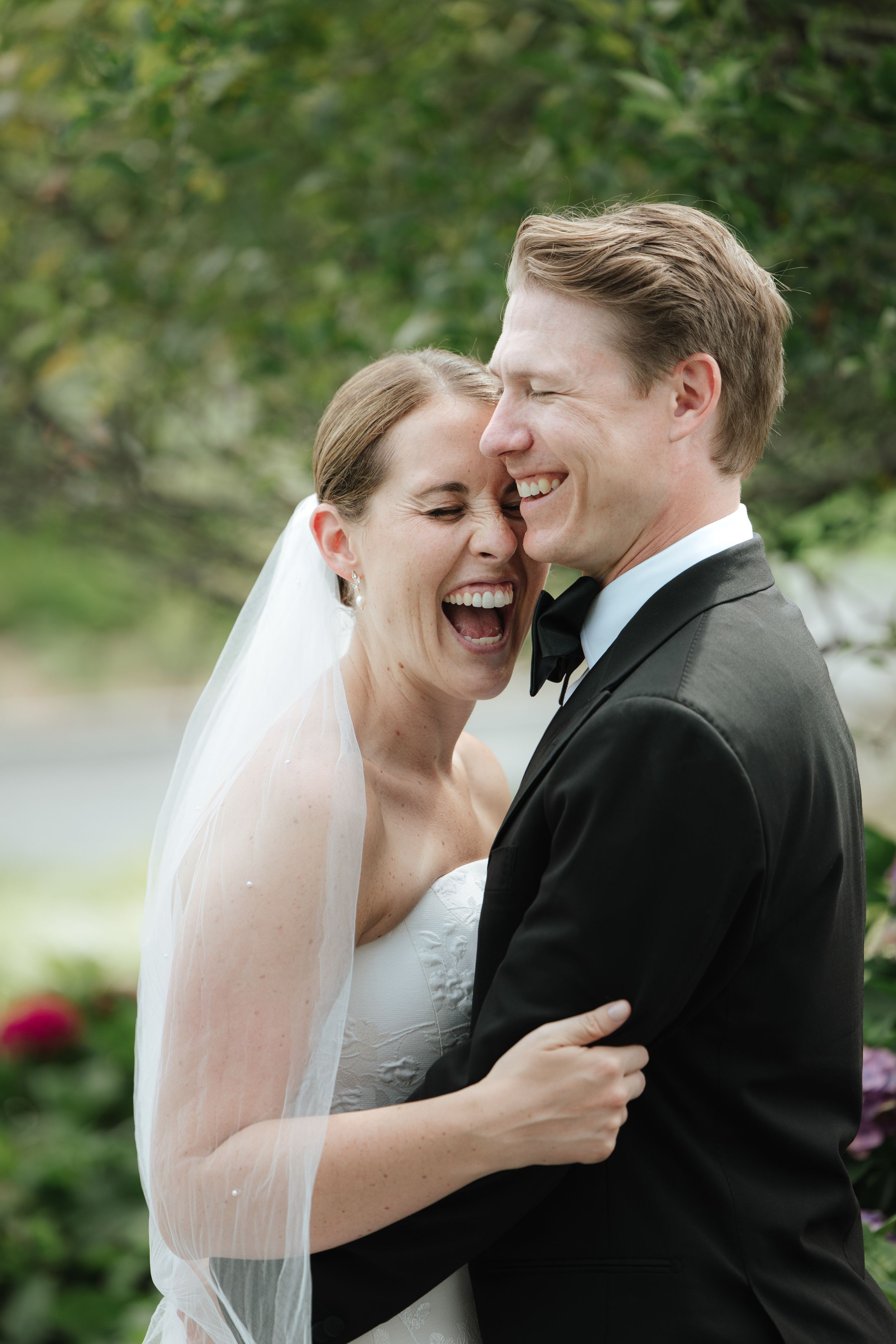
This is not just about aesthetics or having nice pictures. It is about preserving moments that are impossible to recreate. The way your partner looked at you during the ceremony. Your parents’ reactions. The energy of the room. The small interactions happening in the background that you never saw.
These images become part of your life. They live in your home. They are revisited on anniversaries. They are shared with family. One day, they are how your kids will understand your story.
📌 Studies consistently show that photography ranks as one of the top three regrets when couples underinvest in it, with many wishing they had prioritized it more after the wedding.
This is the only tangible piece of your wedding that increases in value over time.
Choose a Wedding Photography Style You Actually Connect With
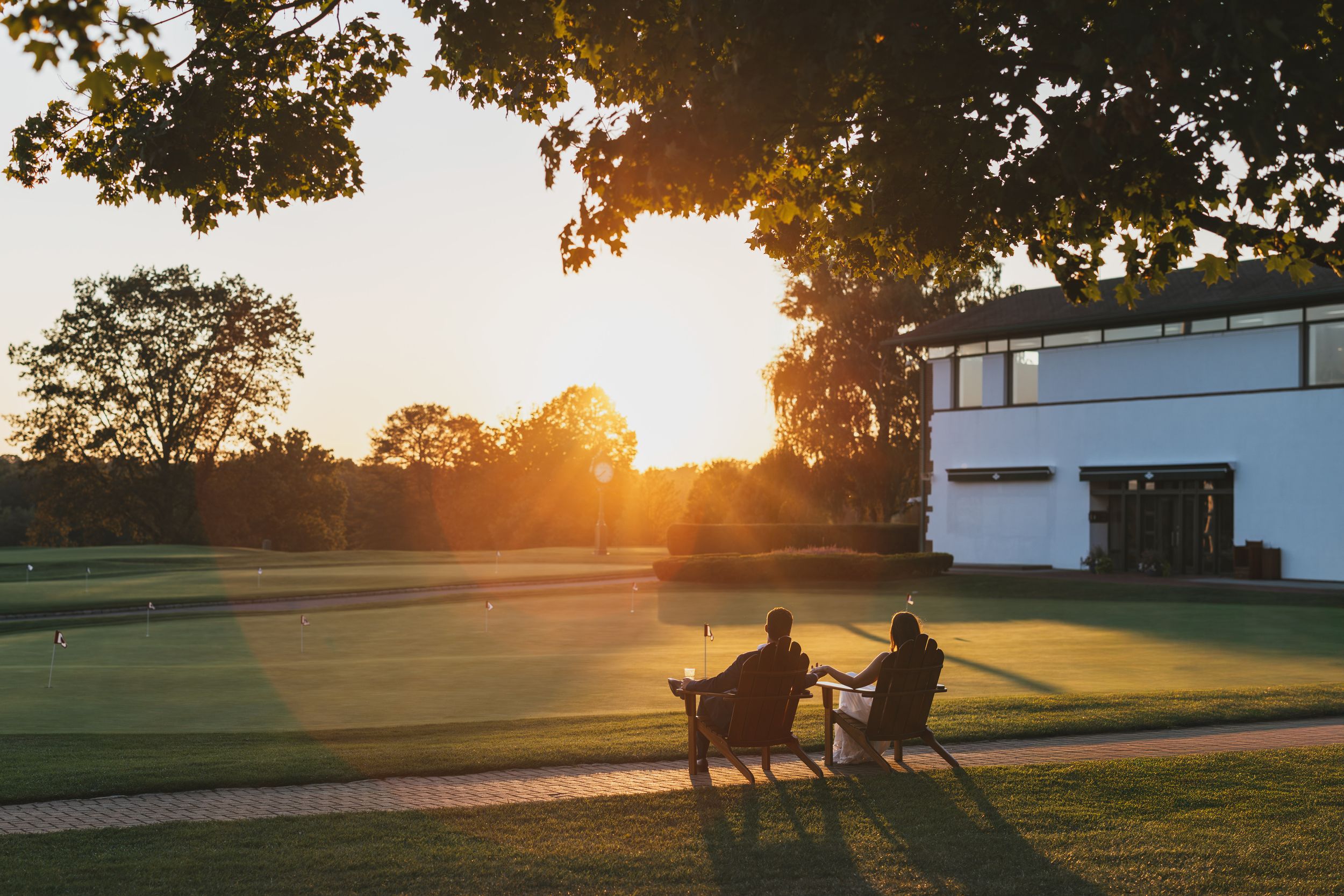
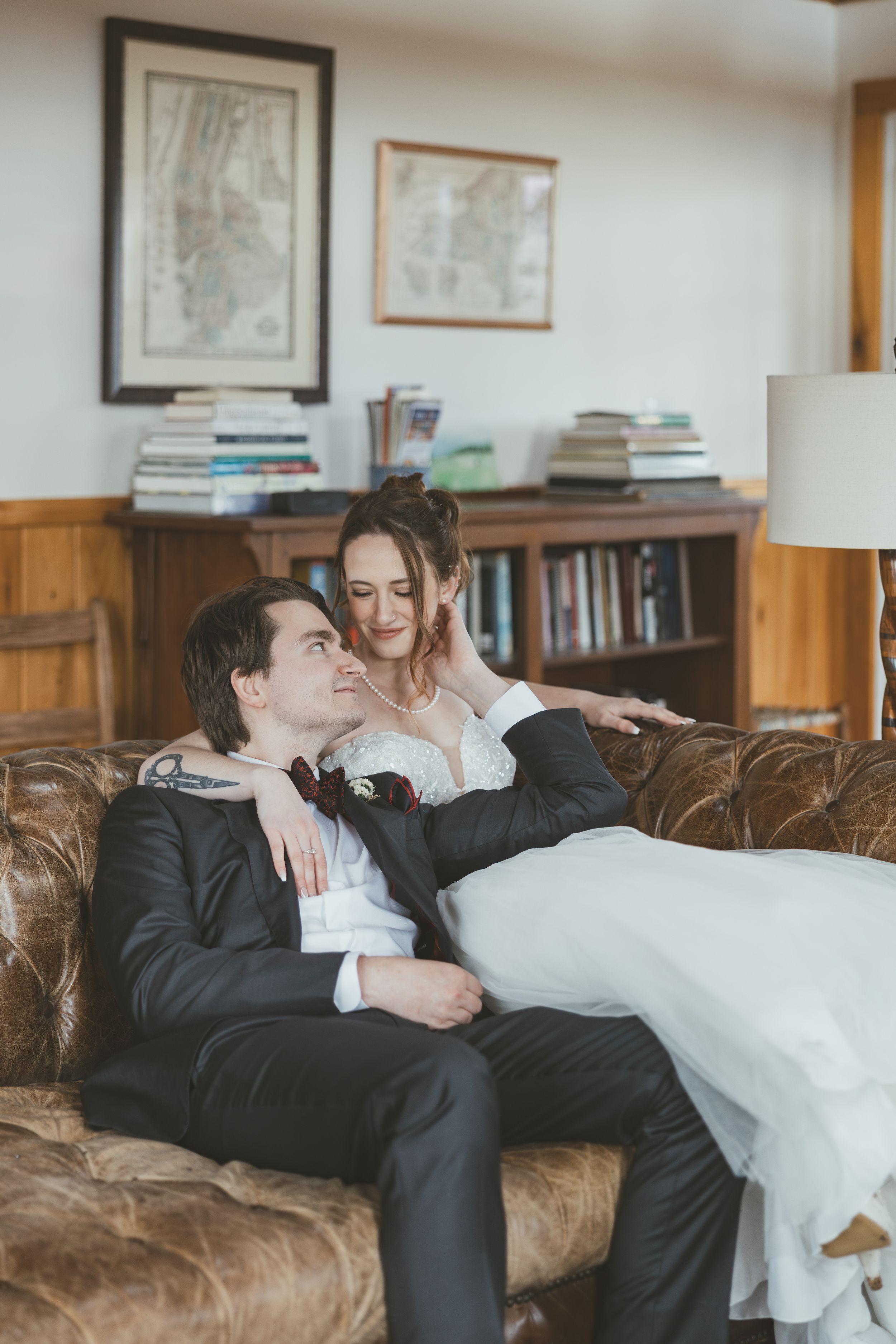
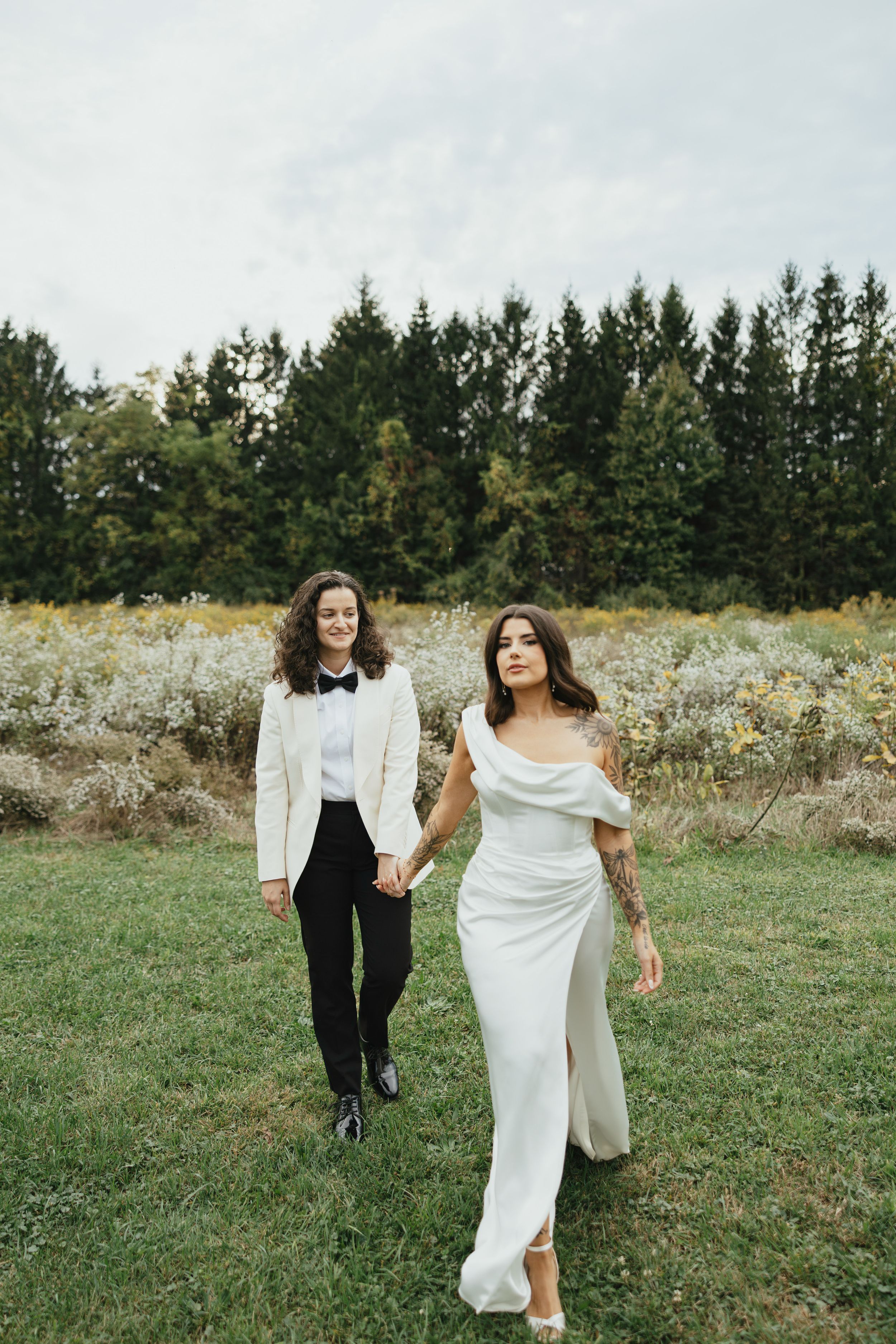
Choose a wedding photography style by reviewing full galleries and selecting work that feels natural, consistent, and emotionally aligned with how you want your wedding remembered.
Style is the foundation of your decision, and it is often misunderstood. It is not just about editing or color tones. It is about how a photographer sees moments, how they document people, and how your day will be interpreted.
Most couples initially react to what looks good. The better approach is to ask what feels right. Years from now, the emotional connection to your images will matter more than whether they matched a trend at the time.
A strong portfolio should feel consistent across full galleries, not just highlights. It should show a clear point of view.
Pay attention to:
- Whether moments feel natural or staged
- How people look and interact
- Whether the editing feels timeless or trendy
📌 If you do not connect with how their work feels now, you will not connect with your own photos later.
👉 Not sure what your style is yet? Start here: Wedding Photography Styles Explained
Experience Shows Up in the Moments You Did Not Plan For
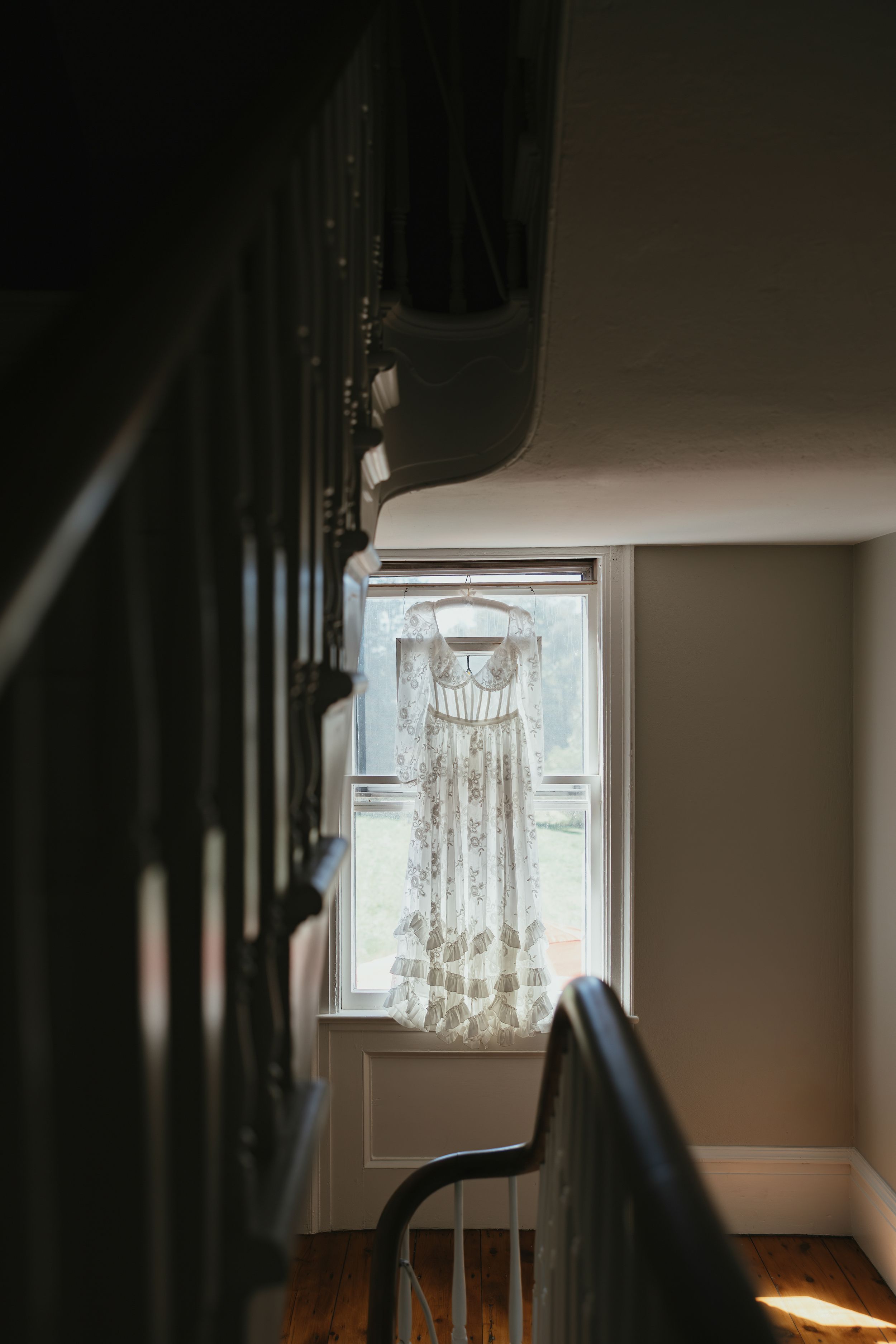
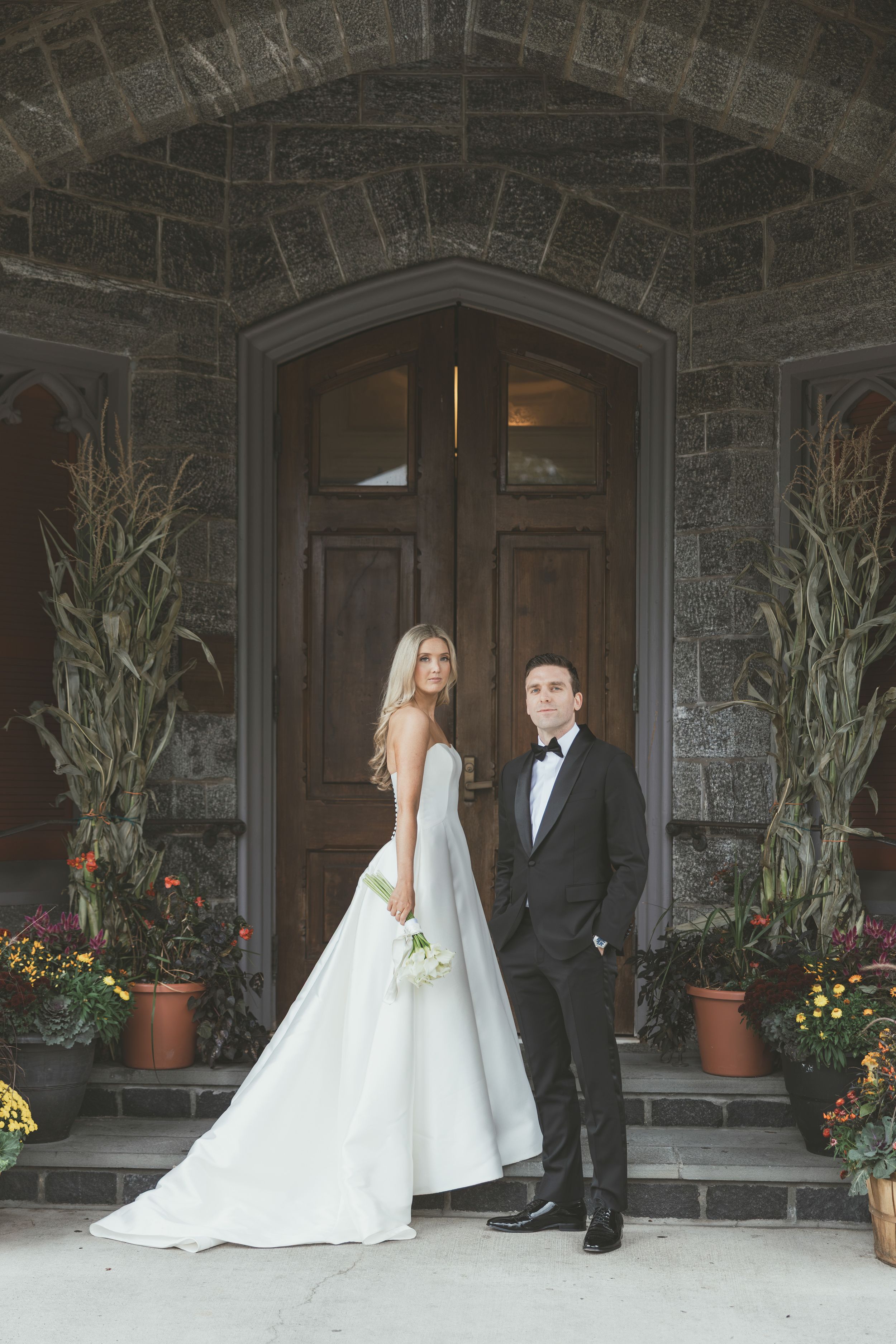
An experienced wedding photographer anticipates moments, adapts quickly to changes, and captures events as they unfold without disrupting the day.
Experience is not visible in perfect conditions. It shows up when things shift.
Weddings are fluid. Timelines run late. Light changes quickly. Weather moves in. Family dynamics can be complex. These are not exceptions. They are part of almost every wedding.
An experienced photographer is constantly reading the situation. They are positioning themselves before moments happen. They are adjusting without interrupting. They are solving problems quietly.
An experienced photographer knows how to:
- Anticipate moments before they happen
- Adjust quickly without disrupting the flow
- Stay calm under pressure
- Capture moments as they unfold
📌 You are hiring for the unpredictable, not the expected.
Personality and Presence Will Shape Your Entire Experience
The right wedding photographer should make you feel comfortable, confident, and at ease, which directly impacts how natural your photos look.
Your photographer’s personality is not just about whether you like them. It directly impacts how your entire day unfolds and how your photos ultimately look. They are one of the only people with you across every part of the wedding, from getting ready through the reception, which means their presence influences the pace, energy, and comfort level of the day in a very real way.
What most couples don’t realize is that photography is not just about observing moments. It is about shaping the conditions that allow those moments to happen. If a photographer is too passive, important moments can be missed or feel disconnected. If they are too controlling, everything starts to feel staged and unnatural. The balance is what matters.
A strong photographer understands how to manage people, not just cameras. They know how to read the room, adjust their approach based on personalities, and guide without disrupting. They can keep things moving when needed, but they also know when to step back and let something unfold. That awareness is what allows real moments to happen naturally instead of feeling forced.
You are looking for someone who:
- Communicates clearly and confidently
- Keeps things relaxed while maintaining structure
- Knows when to guide and when to step back
📌 Comfort translates directly into better photos.
Ask to See Full Wedding Galleries, Not Just Highlights
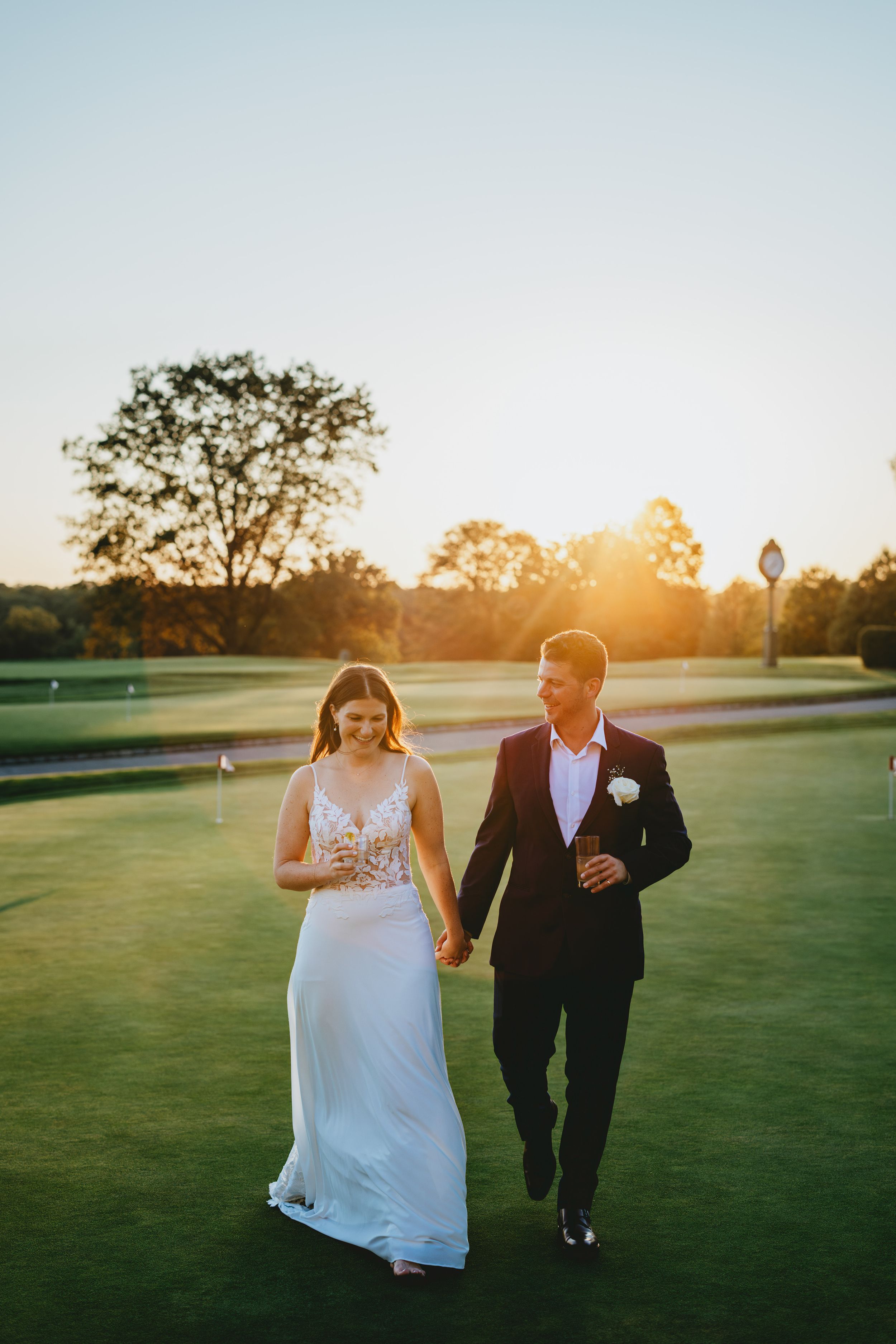
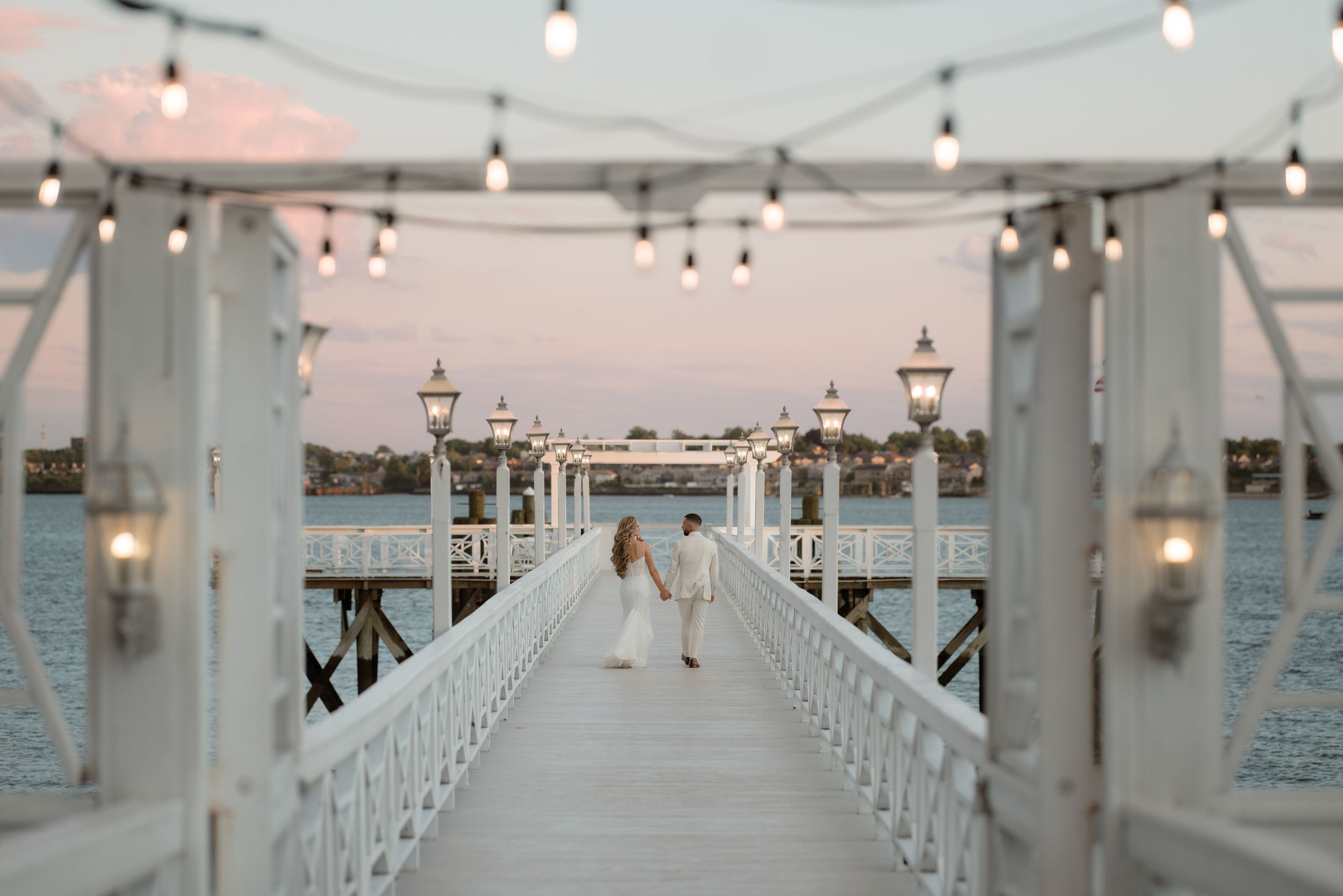
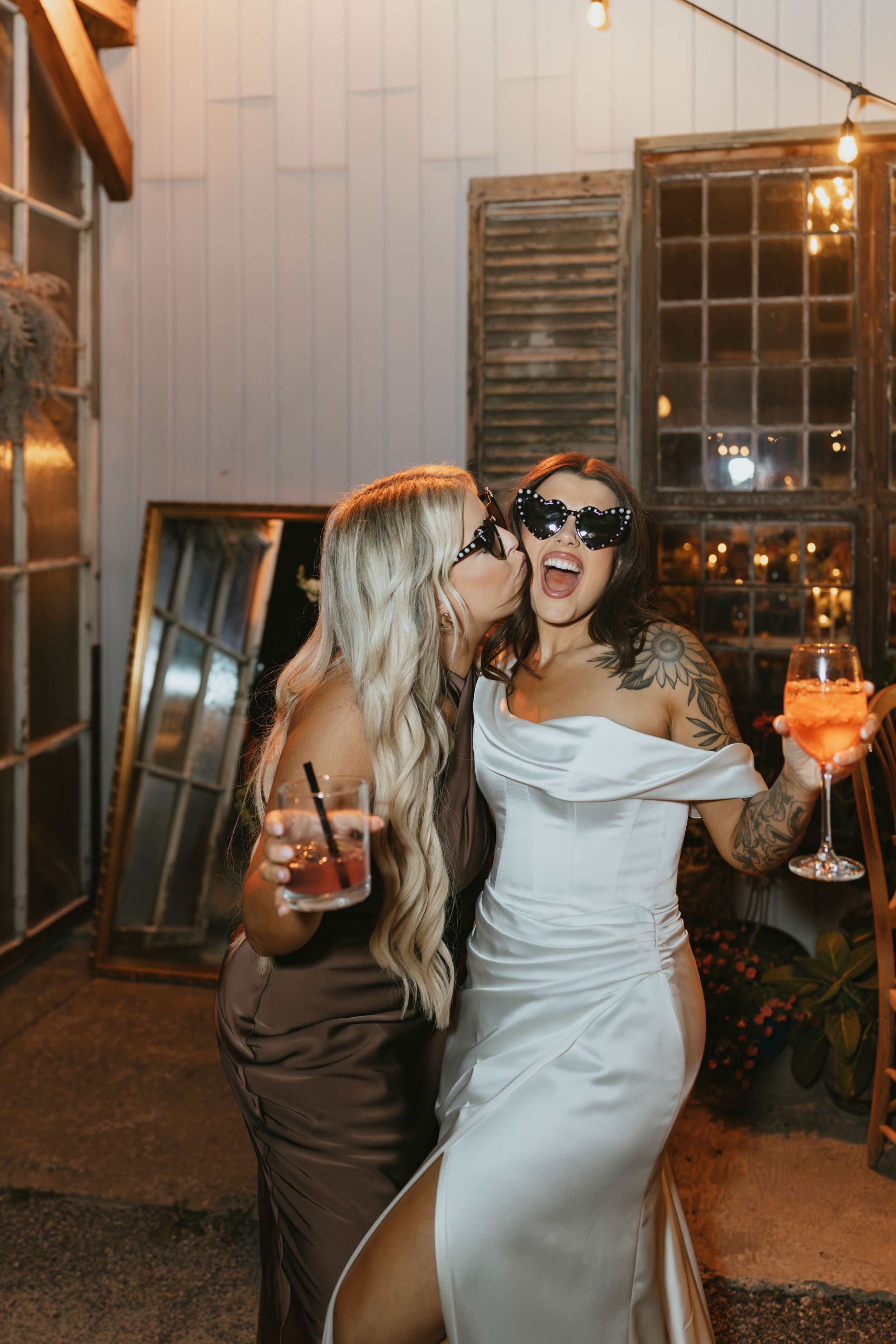
Always ask to see a full wedding gallery to evaluate consistency, storytelling, and performance across an entire wedding day.
It is easy to be impressed by a curated portfolio. What you are seeing on Instagram or a website is a selection of the strongest, most visually striking images from many different weddings, often taken under ideal conditions. That is not what your wedding day will look like in real time.
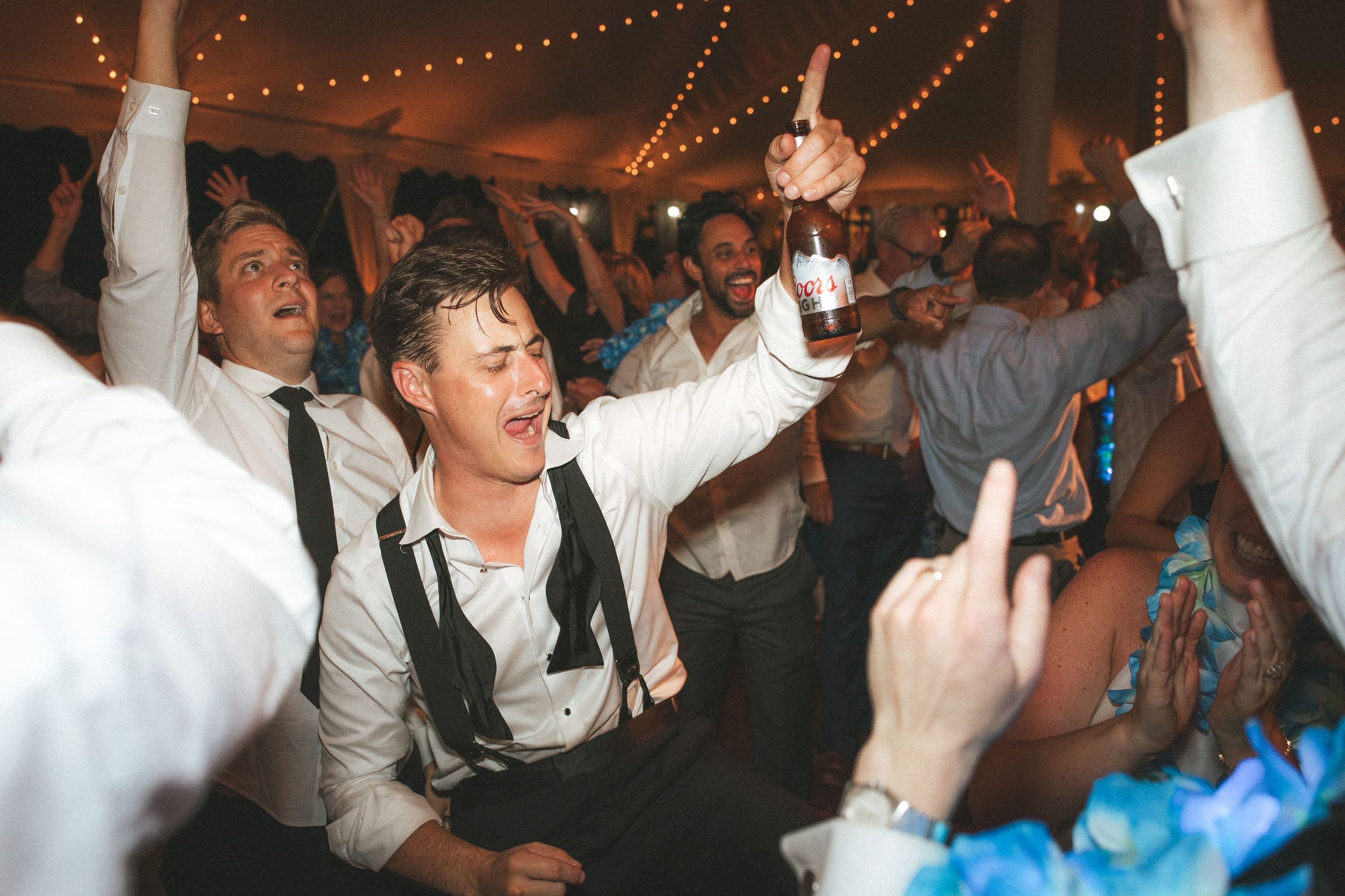
A wedding unfolds over hours, not moments. It includes difficult lighting, tight spaces, fast transitions, and situations that cannot be controlled or repeated. The real question is not whether a photographer can create a few standout images. It is whether they can deliver consistently across an entire day.
This is where full galleries become essential. They show how a photographer performs when conditions are not perfect. They reveal how they handle less obvious moments, how they document people beyond the couple, and whether they can maintain a cohesive look from start to finish.
From experience, this is one of the biggest gaps between photographers. Many can produce strong highlight images. Far fewer can deliver a full gallery where the quality, storytelling, and attention to detail hold up from beginning to end.
This is where you see how they manage:
- Lighting changes
- Movement between locations
- Real guest interactions
- The full flow of the day
Look for:
- Strong images throughout
- Consistent editing
- A complete narrative
📌 Consistency is more important than a few standout images.
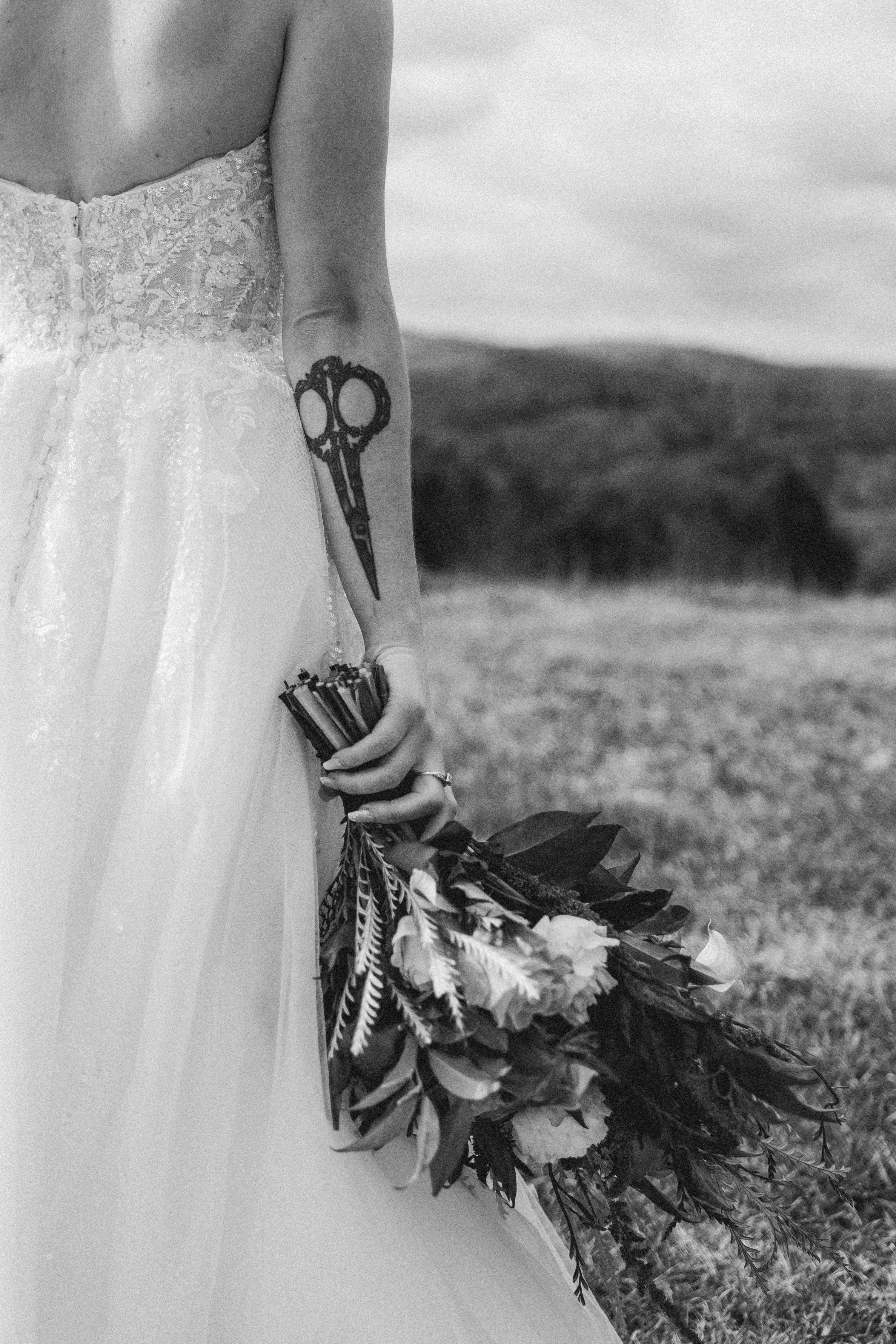
Timeline Guidance Is One of the Biggest Differentiators
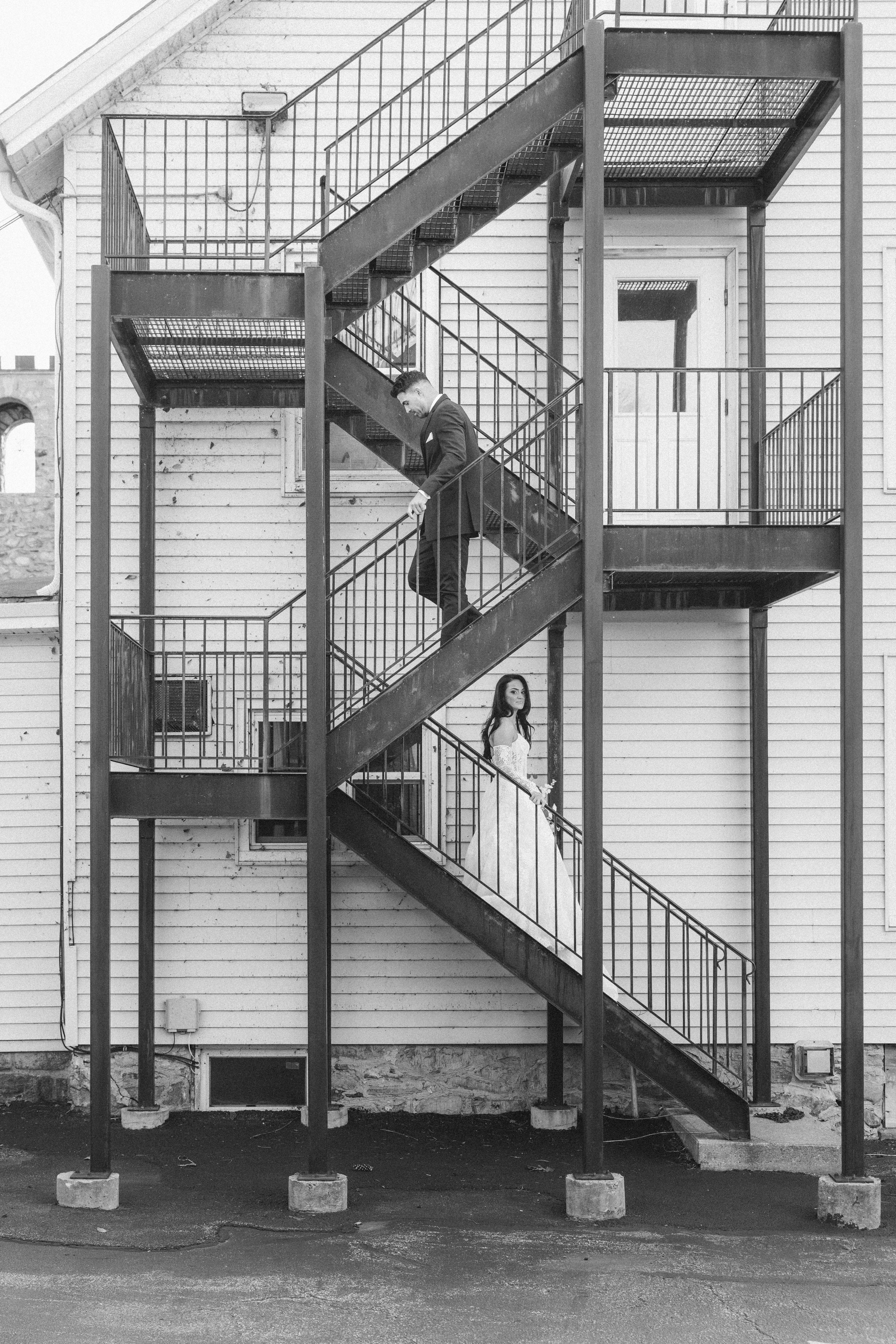
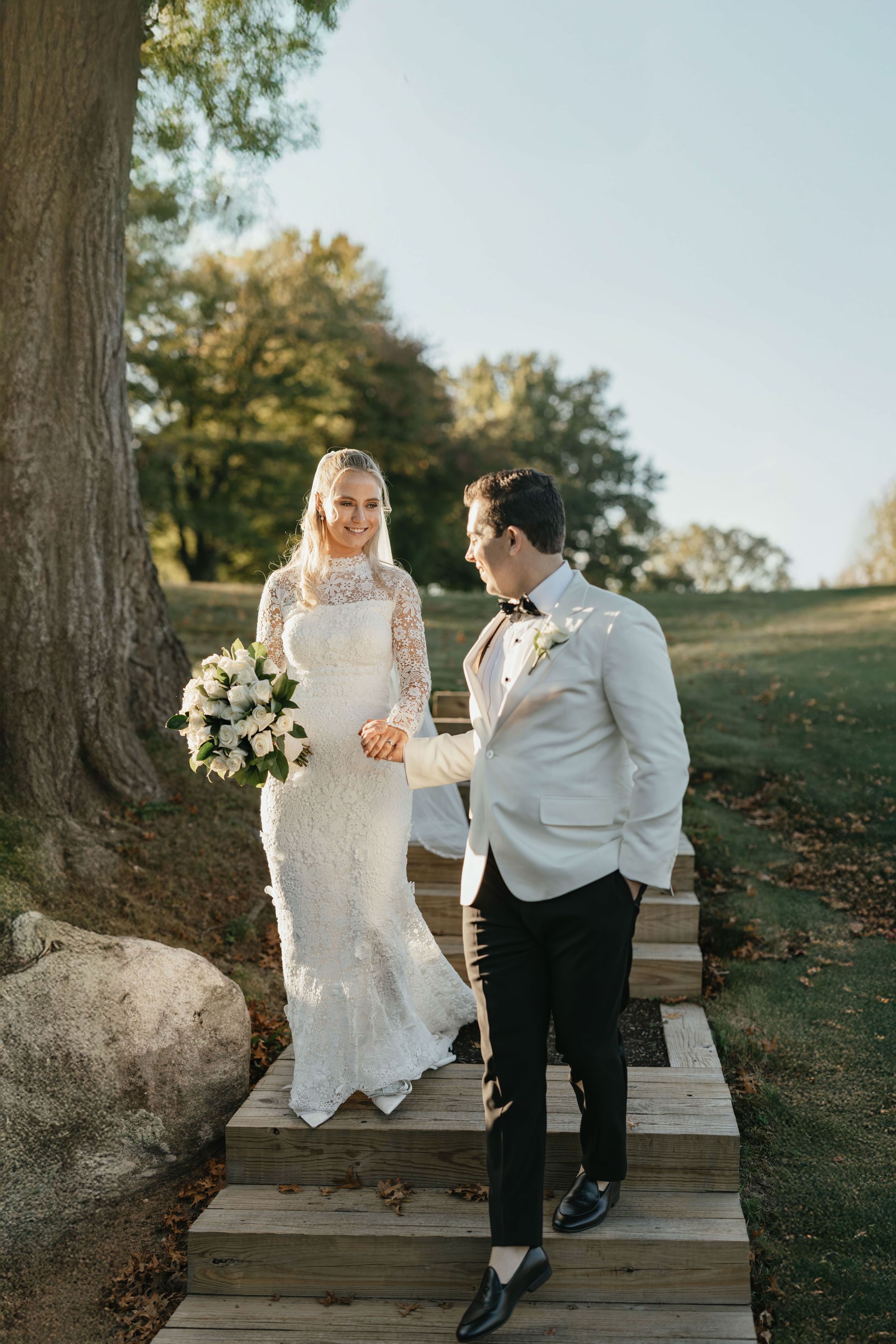
A well planned wedding timeline allows for natural moments, better lighting, and a more relaxed photography experience.
Timeline guidance is one of the clearest indicators of whether a photographer truly understands weddings or is simply showing up to document them. Photography does not operate independently from your timeline. It is directly shaped by it. The structure of your day determines whether moments feel rushed or natural, whether lighting is working for you or against you, and whether you are actually present or constantly being pulled in different directions.
Most couples underestimate how quickly time moves on a wedding day. Small delays compound, transitions take longer than expected, and without a clear plan, photography is often the first thing to get compressed. When that happens, it shows in the final images. Portraits feel rushed, moments feel forced, and there is little space for anything unscripted to unfold.
A strong photographer does more than follow a timeline. They help build one with intention. They understand how long things actually take in real conditions, not ideal ones. They factor in buffer time, movement between locations, and how energy shifts throughout the day. They also know how to align your timeline with light, which is one of the most overlooked but impactful elements in how your photos will look.
From experience, the biggest difference between a wedding that feels relaxed and one that feels chaotic often comes down to timeline structure. When there is enough space, everything feels more natural. You are not being rushed from one thing to the next. You have time to interact, to breathe, and to be present. That is when the best moments happen.
They should guide you on:
- First look decisions
- Realistic portrait timing
- Best lighting windows
- Avoiding missed moments
For context:
- Family photos about one minute per grouping
- Couples portraits 30 to 45 minutes
- Wedding party about 30 minutes
📌 Time directly affects quality.
👉 Need help building your timeline? Start here: How Much Photography Time Do You Need?
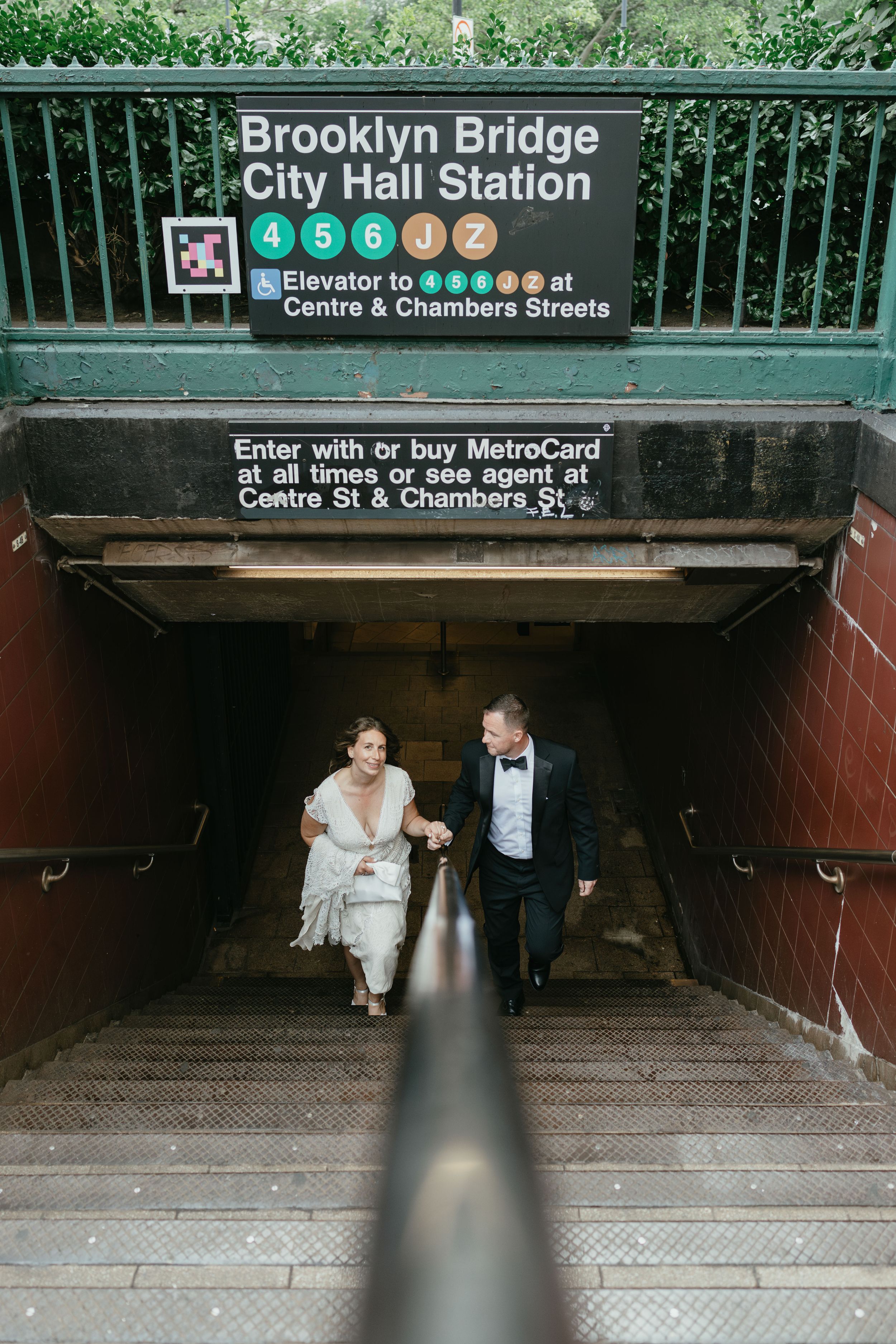
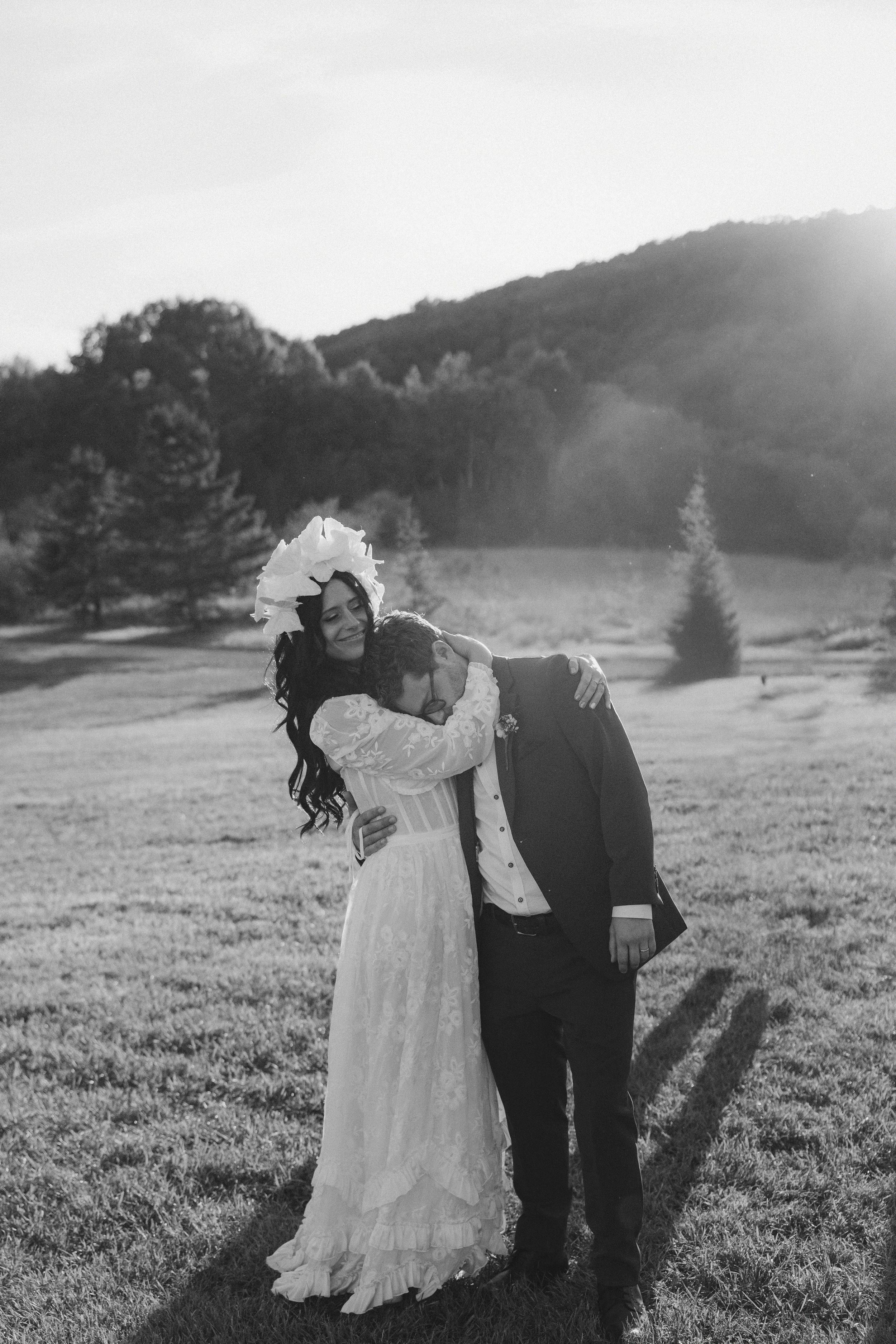
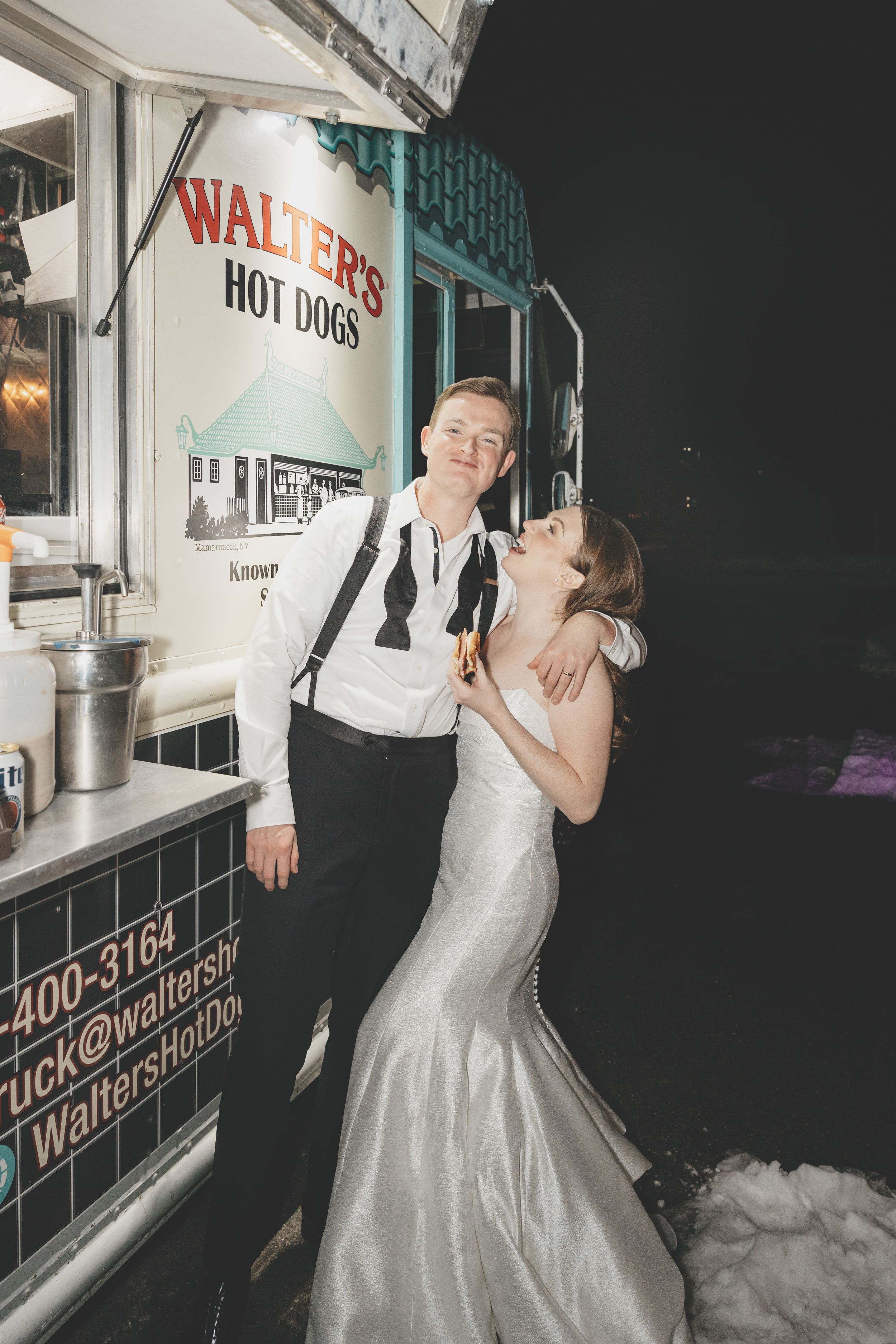
Understand Their Approach to Posing and Direction
The best photographers guide you into natural movement rather than placing you into stiff poses.
Posing is often misunderstood. It is not about placing people into perfect positions. It is about creating conditions where people can move, interact, and respond naturally while still being guided in a way that looks intentional. Every couple comes in with a different level of comfort in front of the camera, and the photographer’s role is to meet that starting point and adjust in real time. The strongest photographers are not rigid in their approach. They are constantly reading body language, energy, and interaction, then giving just enough direction to create structure without taking away authenticity. That is what allows images to feel natural rather than staged.
There is also a practical side to this that directly impacts your experience. Direction affects efficiency, especially during family and wedding party photos where time and coordination matter. A photographer who can organize people quickly, give clear guidance, and keep momentum prevents this part of the day from becoming stressful or drawn out. At the same time, they know when to step back during more personal moments so nothing feels interrupted or forced. The balance between guiding and observing is what separates photos that look composed from photos that actually feel real.
The goal is not zero direction. It is natural direction.
What matters:
- Comfort level
- Natural appearance
- Efficiency in group photos
📌 You should look like yourself.
👉 Want to feel more natural in photos? Read this: Why Engagement Sessions Matter
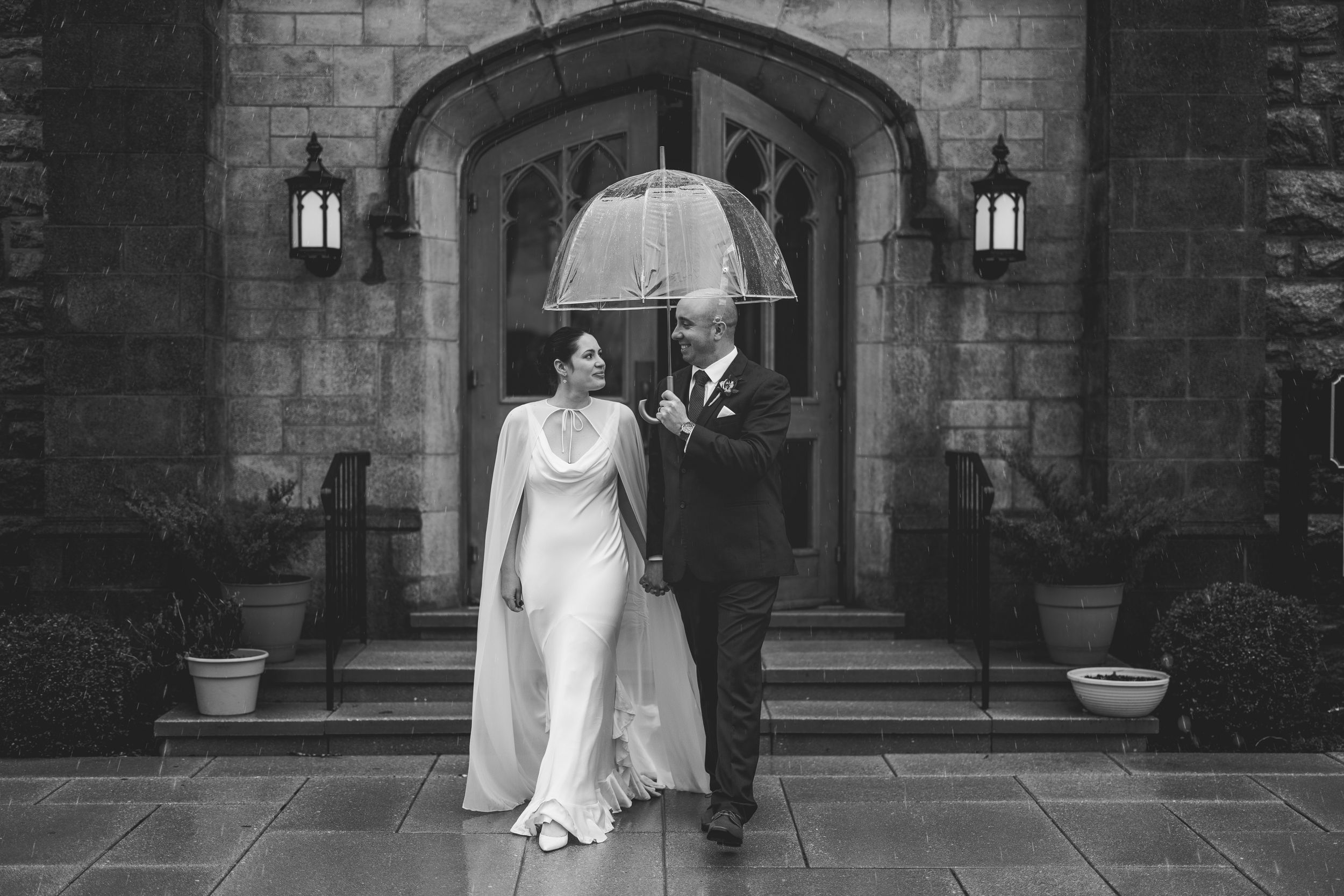
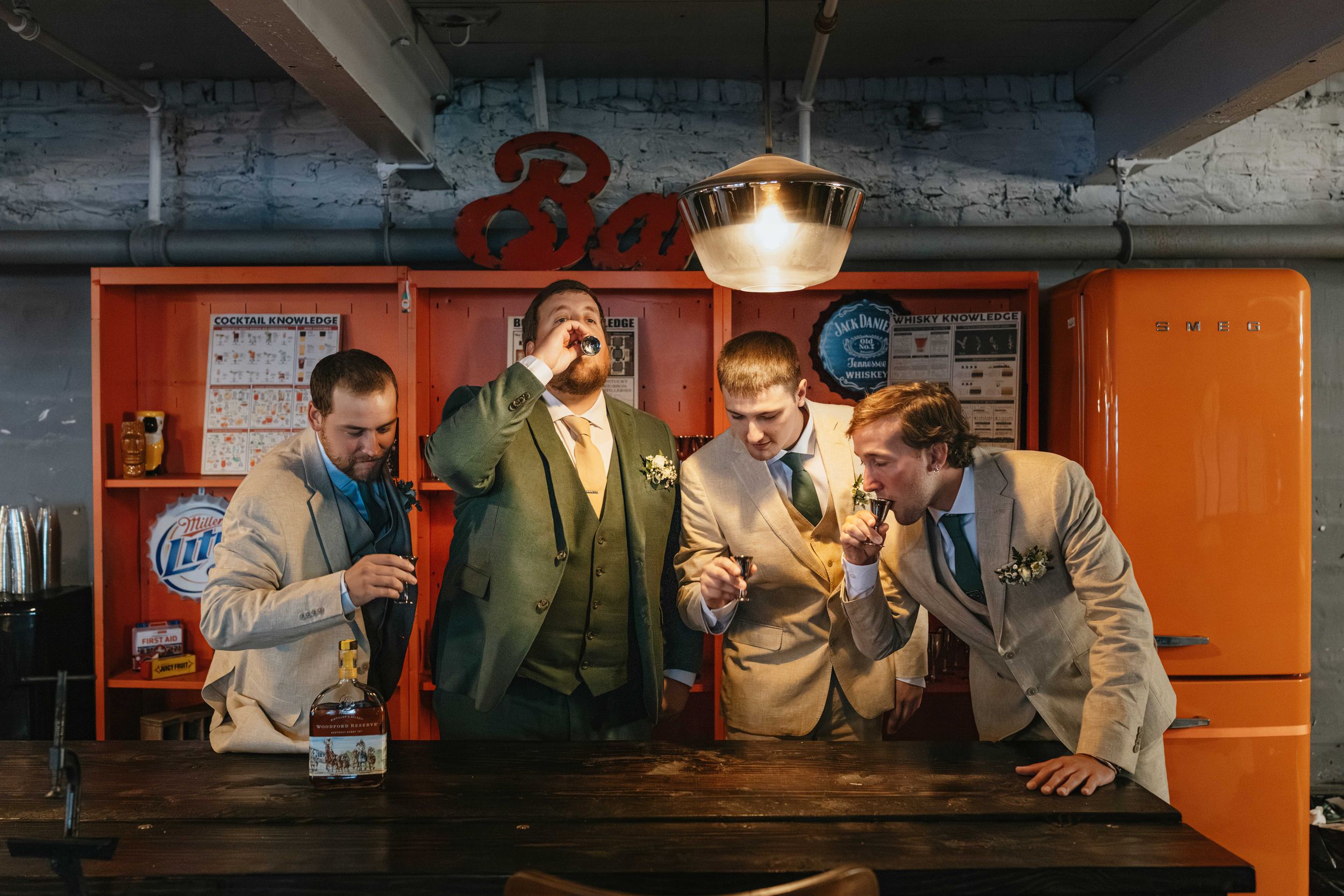
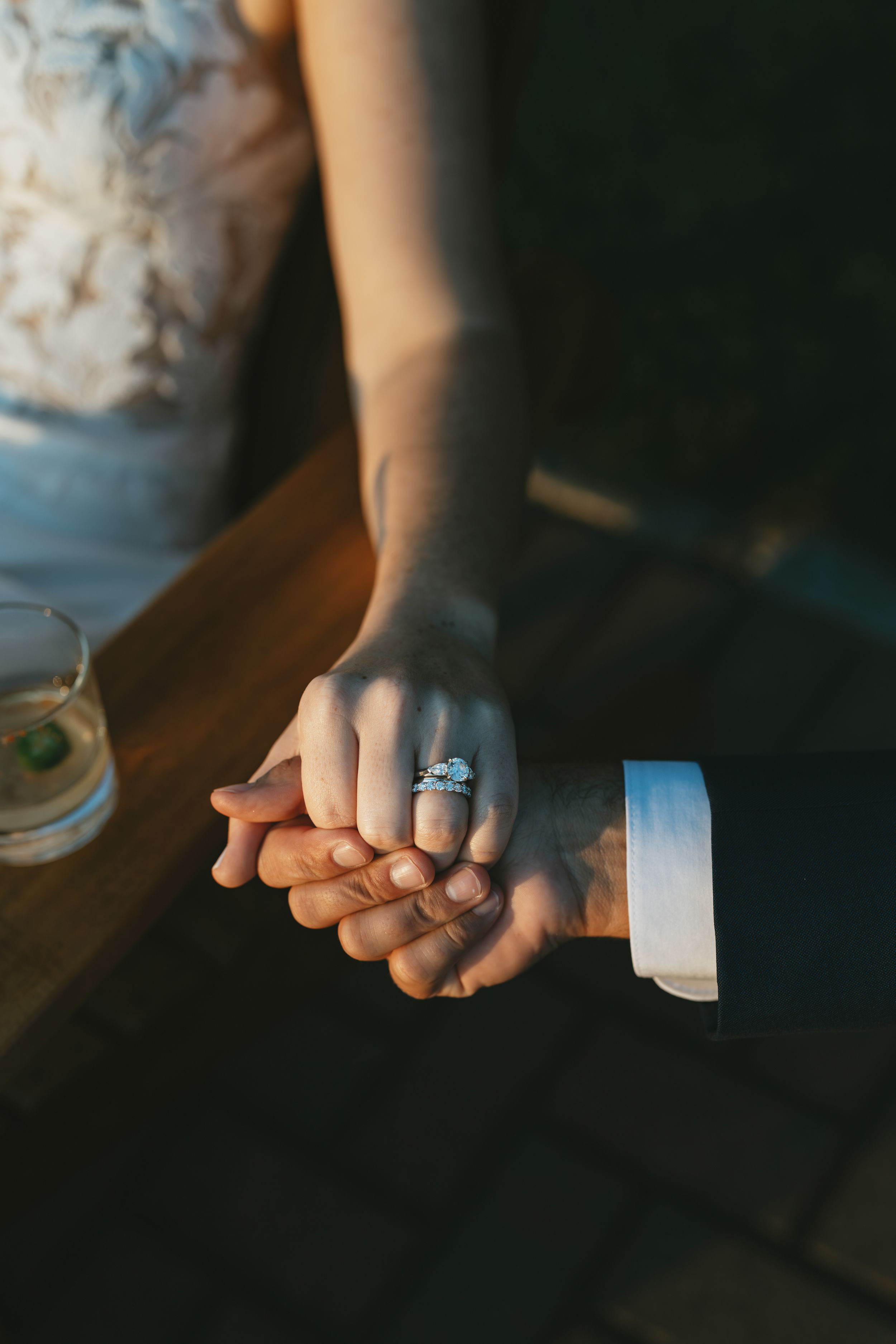
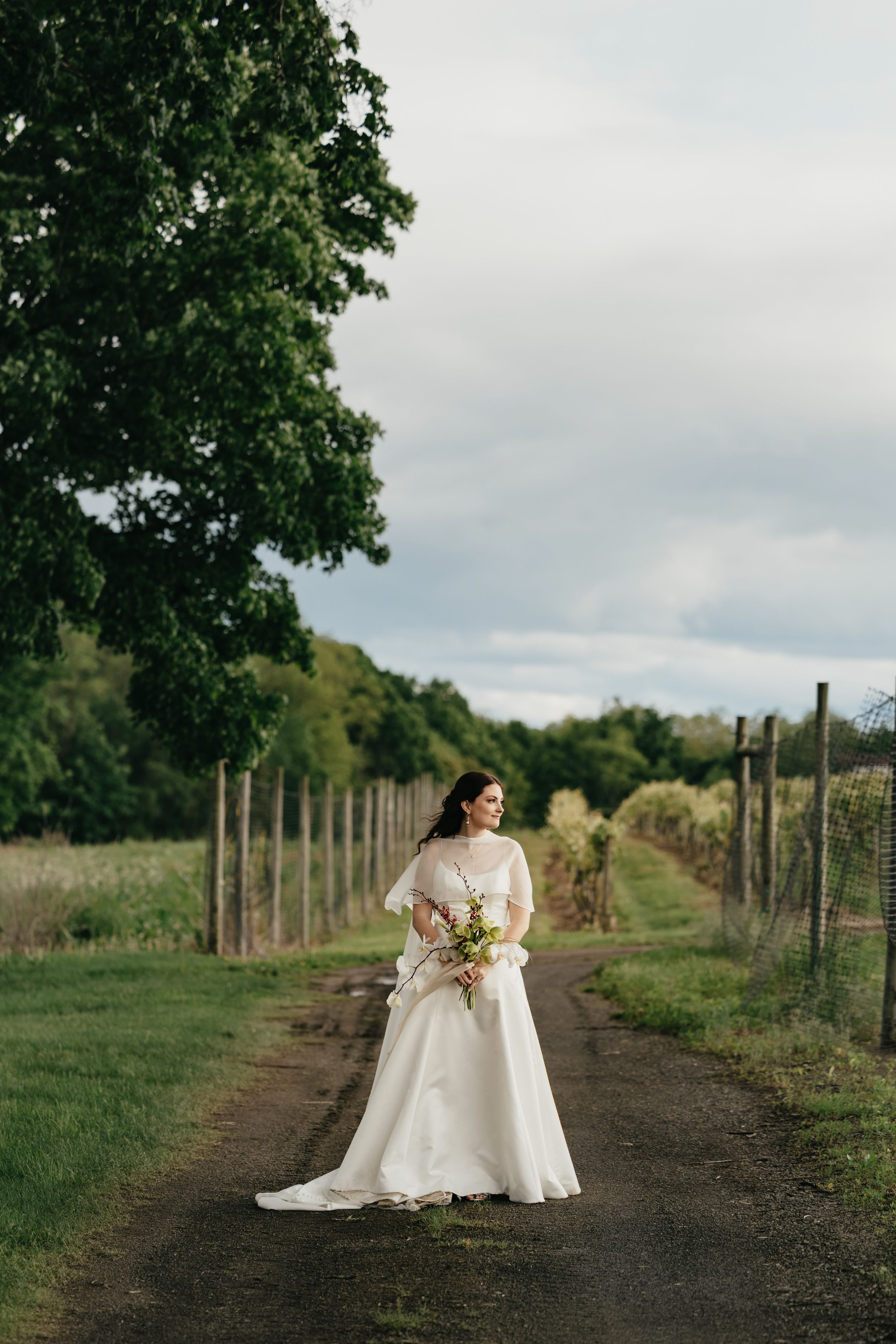
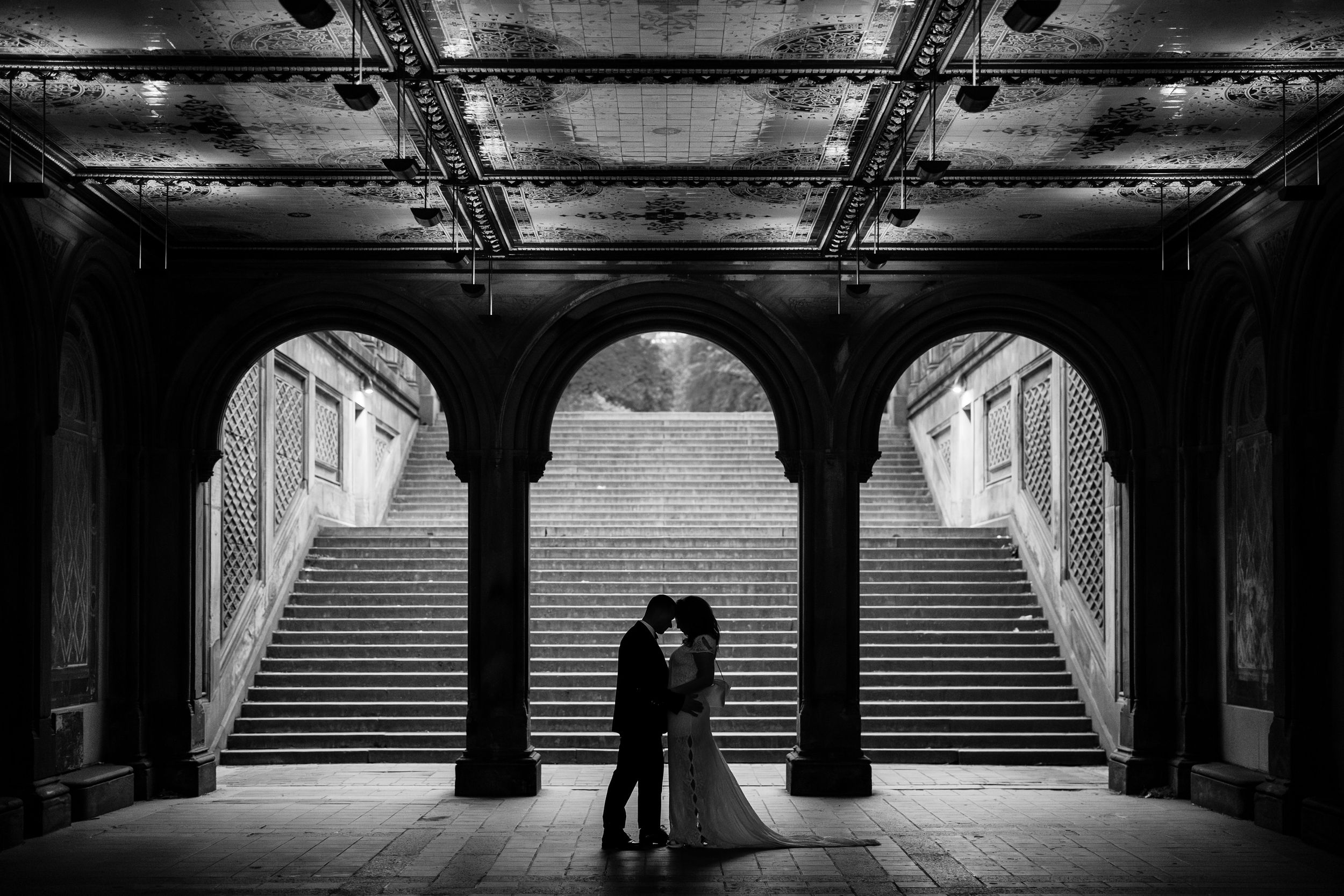
Lighting Expertise Is What Separates Good from Exceptional
Great wedding photography requires the ability to handle all lighting conditions, including harsh sunlight, low light, and mixed
environments.
Lighting is one of the most defining factors in how your photos will look, and it is often the biggest difference between work that feels average and work that feels refined and intentional. Every part of a wedding day presents a different lighting challenge. Harsh midday sun, uneven indoor light, fast-moving transitions, and dark reception spaces all require a different technical and creative approach. There is no single setting or shortcut that works across all of these environments.
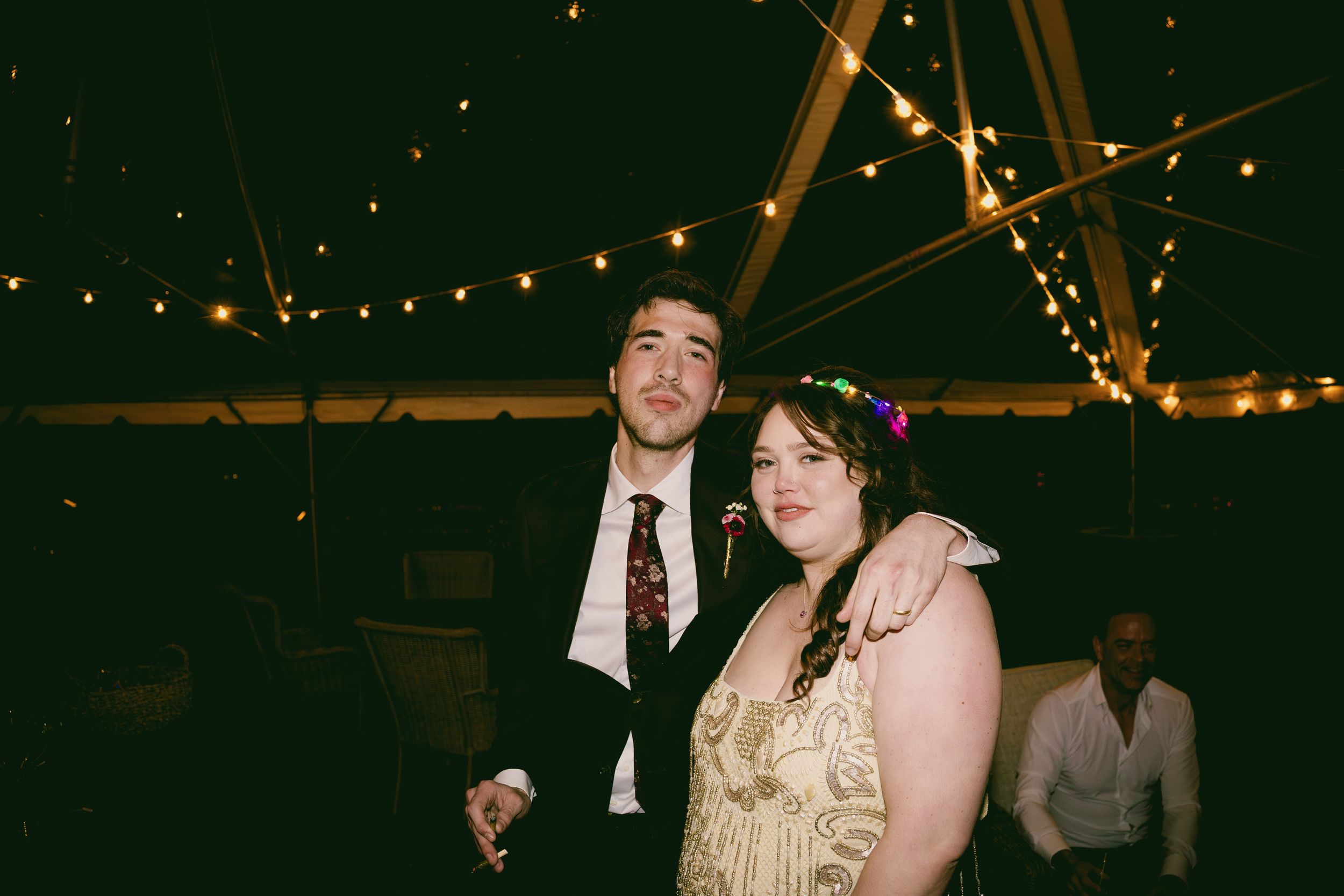
What most couples don’t realize is that great lighting is not about finding perfect conditions. It is about controlling imperfect ones. A strong photographer understands how to shape light, when to lean into it, and when to correct it. They know how to preserve atmosphere without sacrificing clarity, and how to maintain consistency even as conditions change throughout the day. This is what allows your photos to feel cohesive from start to finish, rather than a mix of different styles and exposures.
Lighting defines your images. It is one of the most technical aspects of photography and one of the biggest differences between average and exceptional work.
They should handle:
- Harsh sun
- Backlight
- Indoor lighting
- Reception lighting
📌 Strong lighting control equals consistent results.
Reviews Reveal What the Experience Is Actually Like
Wedding photographer reviews reveal communication, reliability, and overall experience, which are just as important as the photos themselves.
Reviews provide insight into what happens beyond the images. They reflect the full experience from inquiry through delivery.
A photographer can produce strong work and still create a poor experience. Reviews help you understand reliability, communication, and how someone shows up under pressure.
Look for patterns in:
- Communication
- Reliability
- Delivery timelines
- Emotional experience
📌 Consistency matters more than isolated feedback.
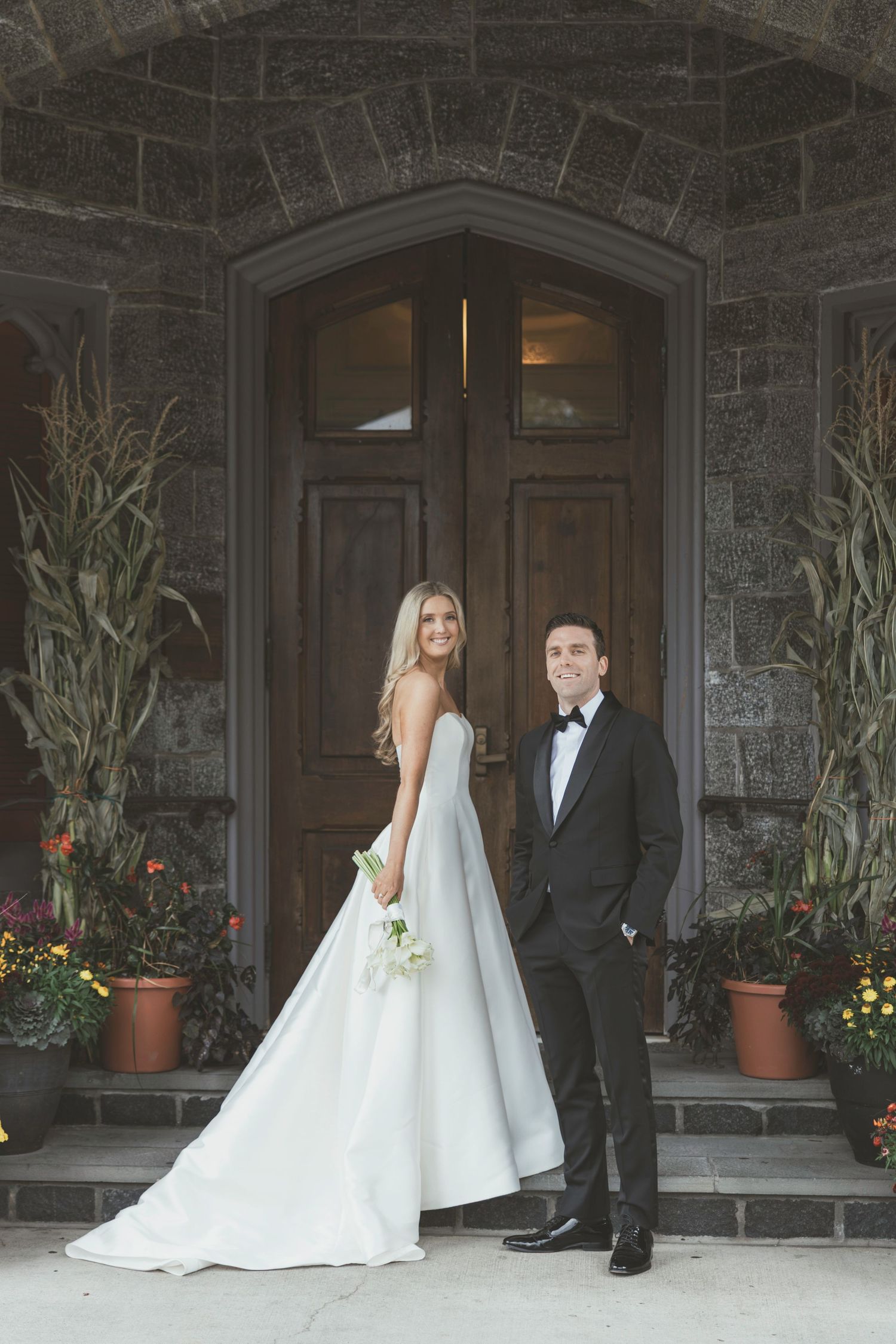
Kind Words
Kelly & Hunter
“Choosing Richard as our wedding photographer was, without question, one of the best decisions I made in the entire wedding process. I am endlessly grateful to have these photos to cherish forever. Choose Rich as your wedding photographer - you will not regret it!!!!”
Know Exactly Who Will Be Photographing Your Wedding
Always confirm that the photographer whose work you love will be the one photographing your wedding.
This is one of the most important questions you can ask, and one of the easiest details to overlook. Not every photography business operates the same way. Some are individual photographers, while others are larger studios that operate with multiple shooters under one brand. The distinction matters more than most couples realize because it directly affects the consistency of what you receive.
When you are looking at a portfolio, you are connecting with a specific perspective, style, and way of seeing moments. That perspective is not interchangeable. If the person behind those images is not the one photographing your wedding, there is no guarantee that the final result will feel the same.
This is where confusion and disappointment can happen, especially when expectations are built around work that was not created by the person who shows up on the day.
A strong photographer or studio should be completely transparent about who will be there, how they work, and what happens if plans change. This is not just about avoiding surprises. It is about making sure there is alignment between what you expect and what will actually be delivered.
Ask:
- Will this exact photographer be there
- Can you meet them
- What is the backup plan
📌 Clarity removes uncertainty.

Understand Delivery, Turnaround Time, and What You Will Receive
Wedding photo delivery timelines typically range from a few days for previews to up to three to six months for the full gallery, depending on the photographer
Delivery is one of the most overlooked parts of the photography process, but it has a direct impact on your overall experience after the wedding. Most couples focus on the day itself and assume everything after will be straightforward. In reality, this is where expectations can easily become misaligned if not clearly discussed upfront. Turnaround time is not just about how quickly you receive your photos. It reflects the photographer’s workflow, editing process, and level of attention given to your gallery. A thoughtful, consistent edit across hundreds of images takes time, and that time is what ensures your final gallery feels cohesive rather than rushed or inconsistent.
It is also important to understand exactly what you are receiving, not just when. Delivery includes how your images are presented, how you access them, and what you can do with them long term. A strong photographer provides a clear, streamlined experience with an organized gallery, high-resolution downloads, and flexibility in how images are used and shared. They are also transparent about timelines, communication, and what happens between the wedding day and final delivery. When this process is handled well, it extends the experience of your wedding rather than creating uncertainty or frustration.
Ask:
- Preview timing
- Full gallery timeline
- File access and resolution
📌 Clarity prevents frustration.
Ask About Backup Systems and Photo Storage
A professional wedding photographer should use dual memory cards, multiple backups, and cloud storage to protect your images.
This is one of the most critical parts of wedding photography, and it is often the least discussed. Your wedding photos are irreplaceable. There is no opportunity to recreate them, which means everything depends on how securely they are handled from the moment they are captured. A professional photographer approaches this with a layered system, not a single point of protection. Backup starts at the camera level with dual card recording, continues immediately after the wedding with redundant storage, and extends into long-term archiving. Each step is designed to eliminate risk and ensure that your images are protected at every stage.
What matters is not just that backups exist, but how intentional and redundant the system is. A single hard drive is not a backup. Files should exist in multiple locations, ideally across different physical devices and cloud environments. This protects against hardware failure, human error, or unexpected loss. You should also understand how long your images are stored and whether your photographer maintains an archive beyond delivery. A clear, well-structured backup process is a strong signal of professionalism and responsibility, and it directly reflects how seriously your photographer takes the importance of your images.
They should have:
- Dual card recording
- Multiple backups
- Cloud redundancy
📌 No backup system means real risk.
The Overall Experience Matters Just as Much as the Photos
A well managed photography experience leads to more natural, relaxed, and meaningful wedding photos.
The quality of your photos is not created in isolation. It is a direct reflection of the experience you have throughout the day. When the day feels rushed, disorganized, or overly controlled, it shows in the images. People look tense, moments feel forced, and there is little room for anything natural to develop. On the other hand, when the experience is structured but flexible, calm but intentional, it creates the conditions where real moments can happen. That is what allows your photos to feel effortless rather than manufactured.
A strong photographer understands that their role extends beyond taking images. They are helping manage the pace of the day, guiding transitions, coordinating people when needed, and stepping back at the right moments. They know how to reduce friction without removing structure, which is what keeps the day moving without making it feel rigid. From experience, this balance is one of the biggest differences between weddings that feel chaotic and ones that feel smooth and enjoyable. When the experience is handled well, you are able to stay present, interact naturally, and actually enjoy the day. That is what ultimately leads to images that feel real, not just well composed..
The best photographers:
- Keep things moving
- Reduce stress
- Create space for real moments
📌 The experience shapes the outcome.
Final Thoughts: This Is the One Decision That Actually Lasts
There is a tendency to evaluate wedding photography the same way you evaluate everything else. Price. Hours. Packages.
That is the wrong framework.
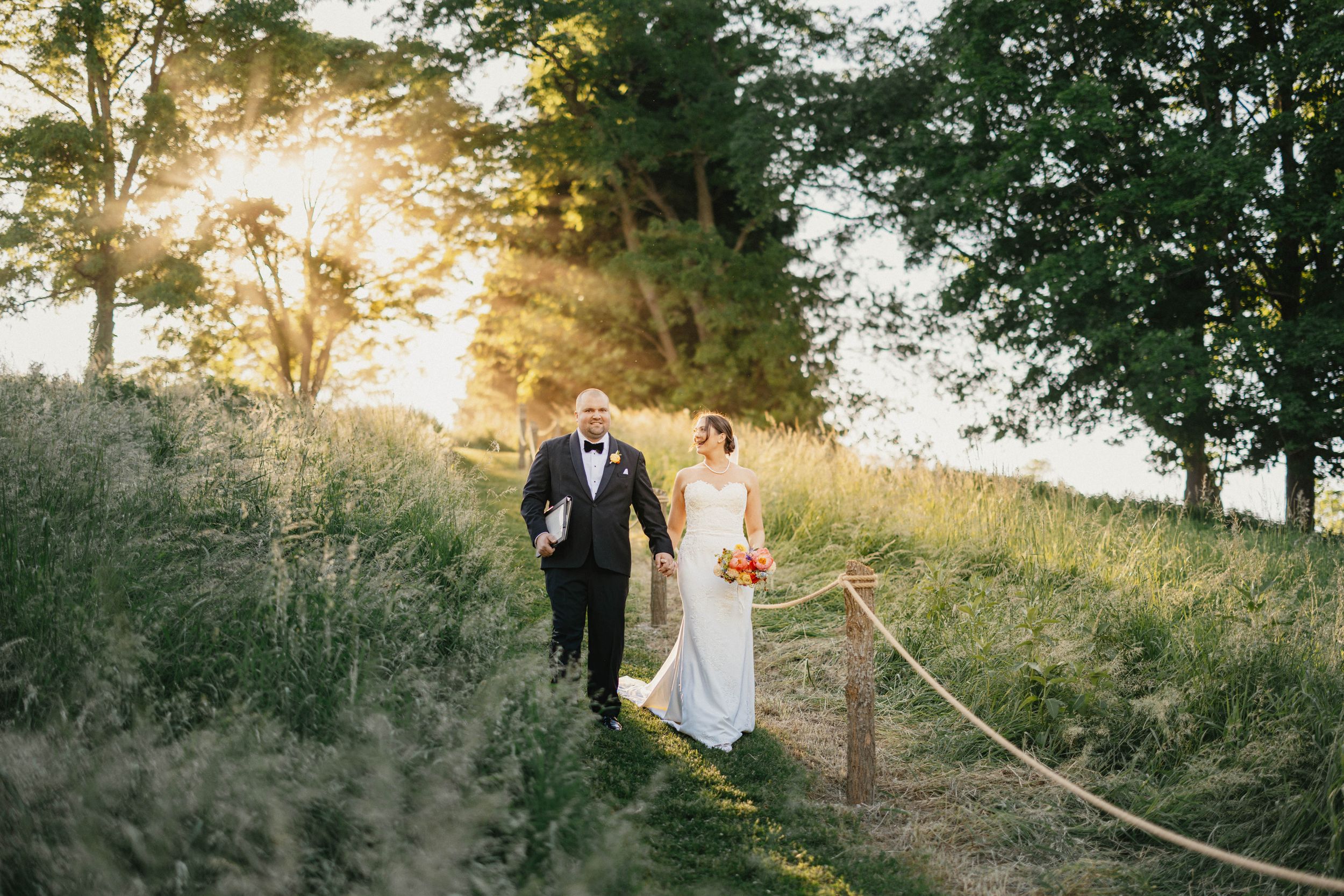
Photography is not just another line item. It is the only part of your wedding that becomes more valuable over time.
Years from now, you will not revisit your timeline or your vendor list. You will go back to your photos.
You will see people who may no longer be here. You will notice moments you missed. You will reconnect with how the day felt.
From my experience photographing weddings, I have had couples come back to me years later telling me the images they thought were small at the time ended up being the ones they value most. A quick look from a parent. A reaction during a speech. A moment they did not even realize was happening.
Those are not staged. They are not planned. And they cannot be recreated.
That is the difference.
There is a clear gap between photographers who capture events and photographers who understand moments. One documents. The other preserves something much deeper.
If your priority is:
- Real moments over staged ones
- Natural interaction over forced posing
- A true reflection of how your day felt
Then this is not just another decision. It is one of the most important ones you will make.
👉 If you want photography that captures your wedding honestly and naturally, reach out here to start the conversation:
Contact Me
👉 Plan your timeline with intention: How to Plan Your Wedding Timeline for Better Photos
👉 Make family photos simple and stress free: How to Organize Family Photos on Your Wedding Day
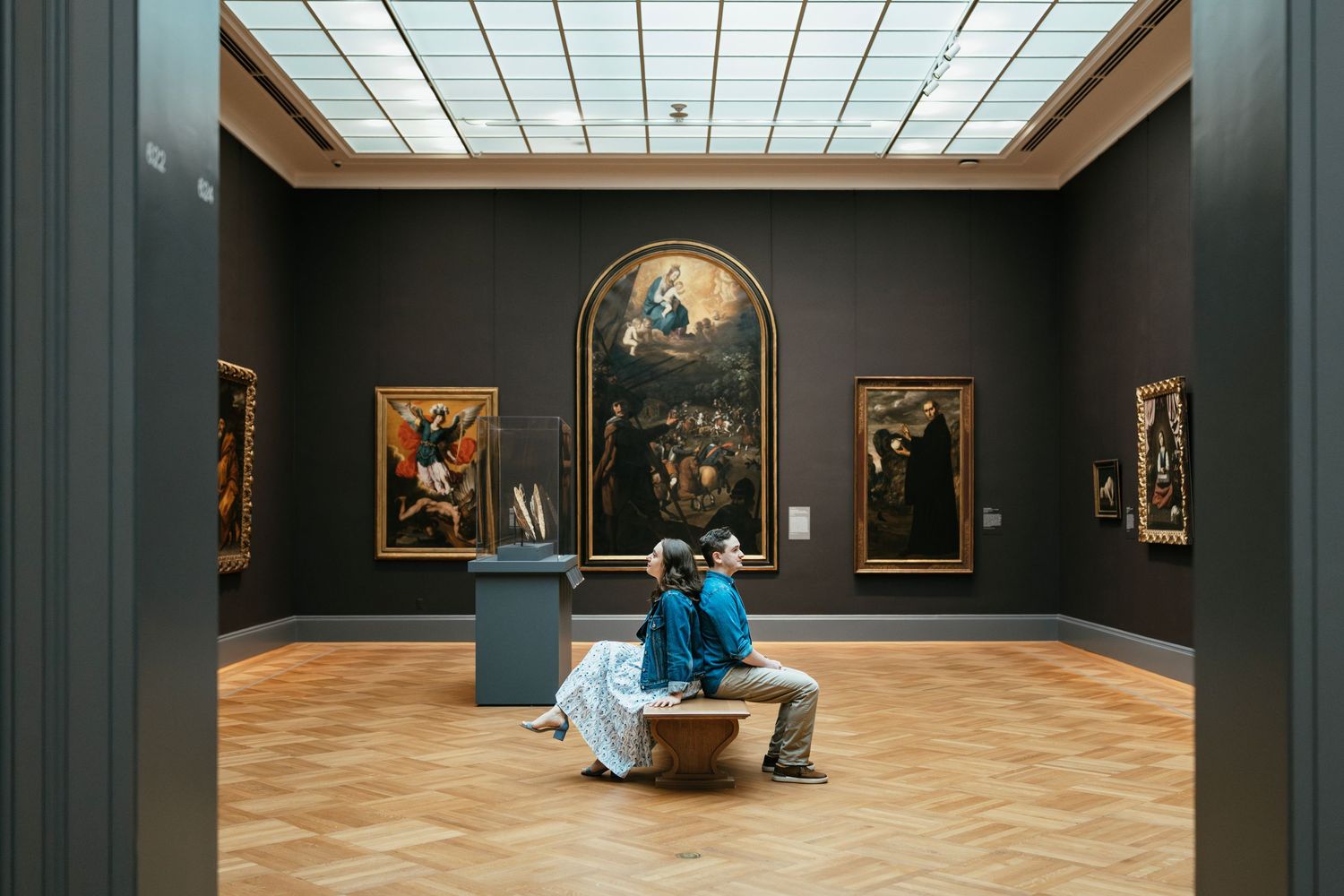
👉 Find the best engagement session locations: Best Engagement Photo Locations in the Hudson Valley


Krutick Photography | 845-857-4980 | richard@krutickphotography.com | www.krutickphotography.com
