The Complete Guide to Wedding Photography Planning in the Hudson Valley
Planning your wedding photography comes down to a handful of key decisions: how much coverage you need, whether to do a first look, how to approach family photos, how to choose the right photographer, and how to make sure everything feels natural on the day. When these are handled well, your photos feel effortless, and the experience itself becomes easier to navigate.
When couples start planning their wedding photography, the questions usually come quickly.
How many hours do we actually need?
Should we do a first look or keep it traditional?
Do we need a second photographer?
How many family photos is too many?
What should we be looking for when choosing a photographer?
And how do we make sure the photos don’t feel stiff or overly posed?
Most of the time, these questions are answered in pieces across different blogs, vendor conversations, or advice from friends who had very different weddings. What’s often missing is a clear, practical understanding of how all of these decisions connect, and how they shape both your experience on the day and the final gallery you receive.
That’s what this guide is designed to do.
I’m Richard Krutick, a Hudson Valley wedding photographer, and over the past several years I’ve photographed weddings across a wide range of venues, timelines, and wedding styles. What that experience has shown me is that the strongest wedding photography doesn’t come from one single decision. It comes from how everything works together. Coverage, structure, expectations, and approach all play a role.
This guide pulls those pieces together in one place.
It walks through the most common questions couples have when planning their wedding photography, from early decisions like coverage and engagement sessions, to day-of considerations like family photos, ceremony structure, and how to create space for natural moments to happen. The goal is not to overcomplicate things, but to give you a clear understanding of what actually matters so you can make confident decisions without second guessing them later.
If you’re early in the process, this will help you understand how everything fits together. If you’re further along, it will help you refine the details so the day feels smoother, more intentional, and easier to move through.
Table of Contents
- What Wedding Photography Includes
- How Photography Fits Into Your Timeline
- How Many Hours You Need
- First Look vs No First Look
- Building a Timeline That Works
- Family Photos
- Second Photographer
- How to Choose a Photographer
- Venue Experience
- Engagement Sessions
- Common Mistakes
- Phone-Free Ceremonies
- Natural, Candid Photos
- Hudson Valley Planning Tips
- FAQ
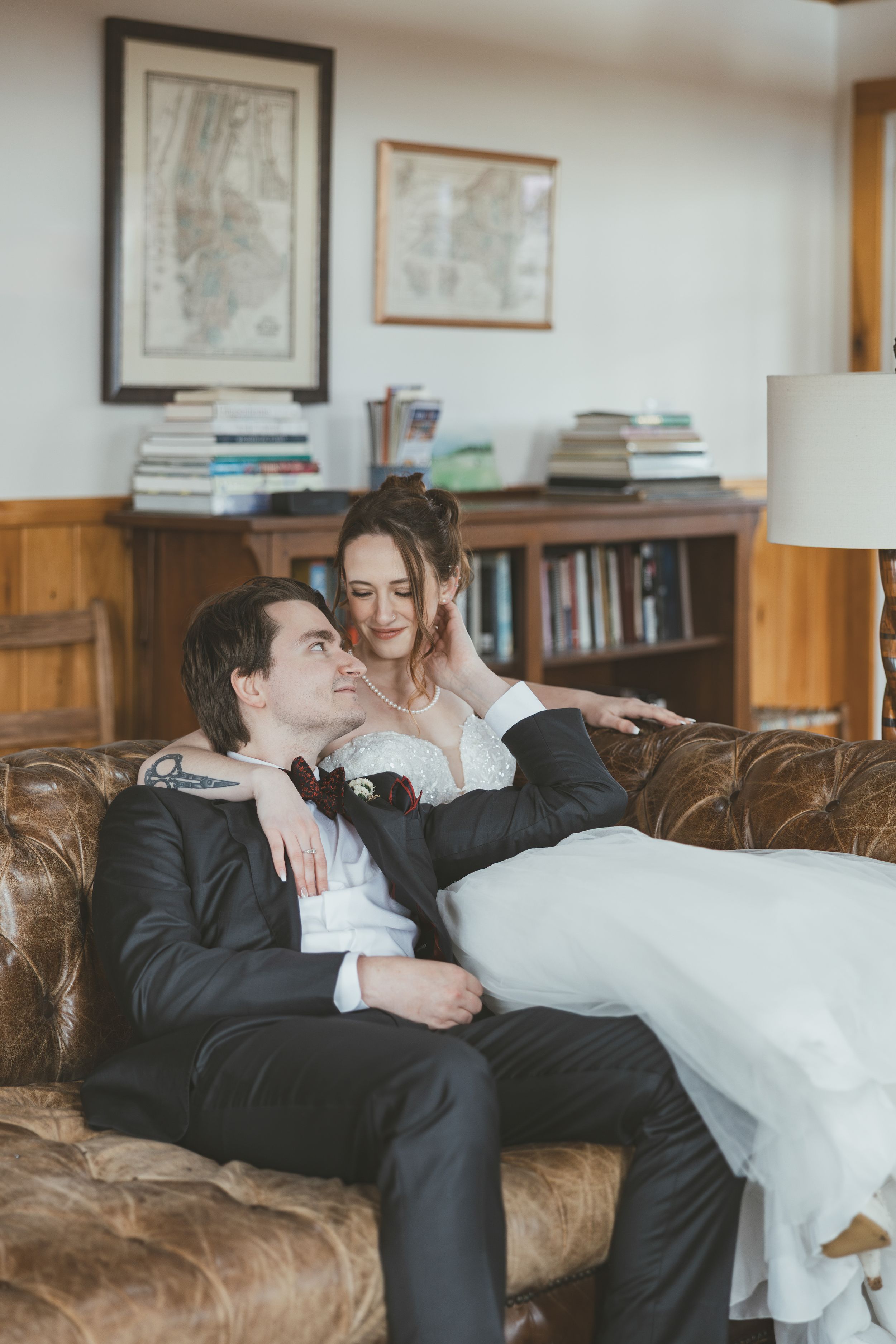
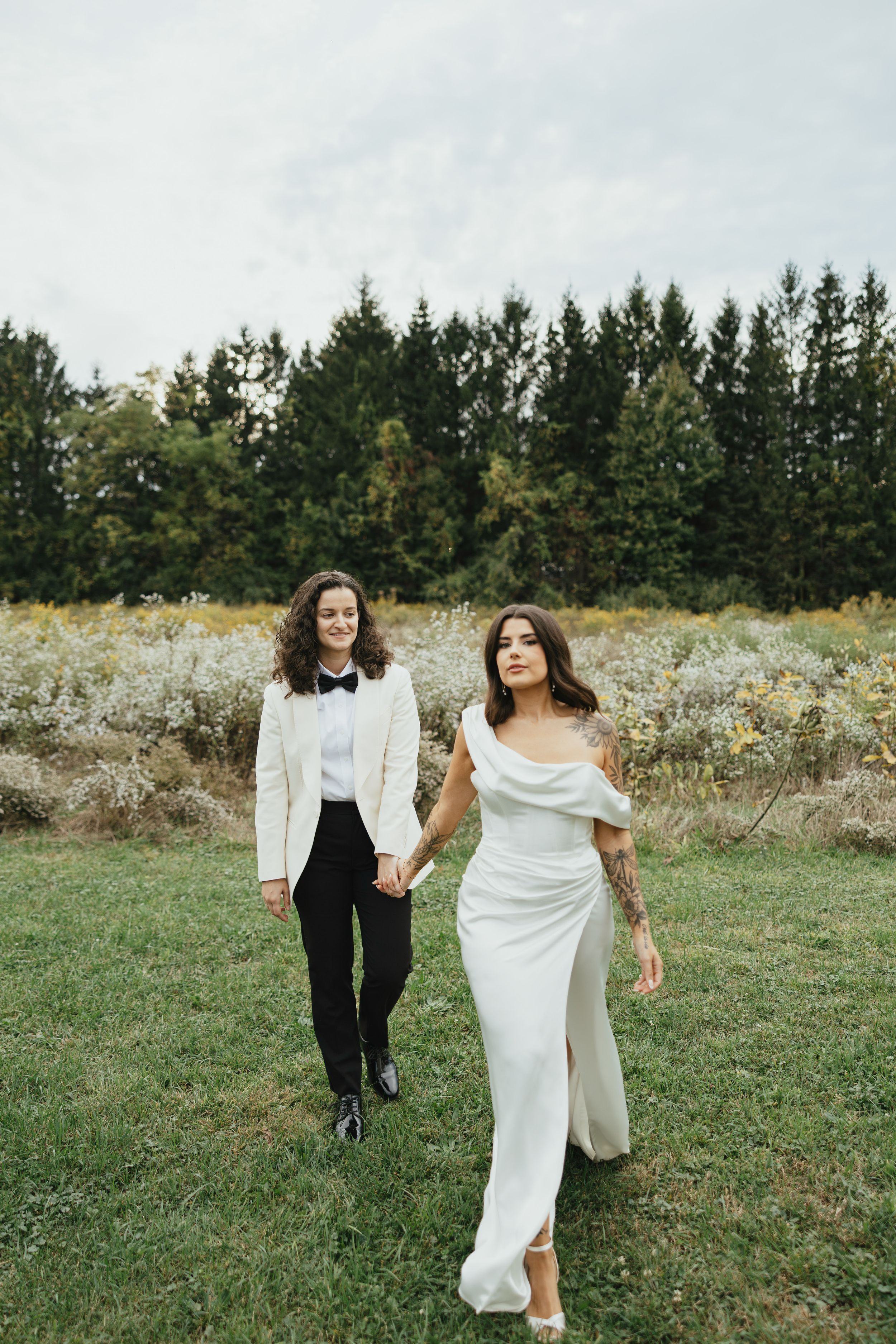
What Wedding Photography Includes (Coverage, Deliverables, and What to Expect)
Wedding photography typically includes full-day coverage across key moments like getting ready, portraits, ceremony, cocktail hour, and reception, along with professionally edited images delivered in an online gallery. Coverage is less about time alone and more about how the day is structured, how moments unfold, and how your photographer guides the experience.
Wedding photography is often described in hours, but what’s actually included goes beyond time. It’s a combination of coverage, decision-making, and experience. From documenting real moments as they happen to guiding you through portraits in a way that feels natural, a photographer is constantly balancing observation with direction. They’re managing light, pacing, and movement throughout the day, often adjusting in real time to keep things on track without interrupting the flow.
On the back end, it also includes the full post-production process. Images are culled, edited, and delivered in a way that reflects a consistent style and tells the story of the day from beginning to end. What you ultimately receive isn’t just a set of photos, but a curated collection that captures both the big moments and everything in between.
Photography isn’t just showing up and taking photos. It’s:
- Managing time without disrupting the flow
- Reading light and adjusting constantly
- Guiding you in a way that feels natural
- Anticipating moments before they happen
What matters most isn’t just how many hours you book. It’s how those hours are structured.
👉 If you want a full breakdown of what’s included and how wedding photography actually works, read the full guide here.
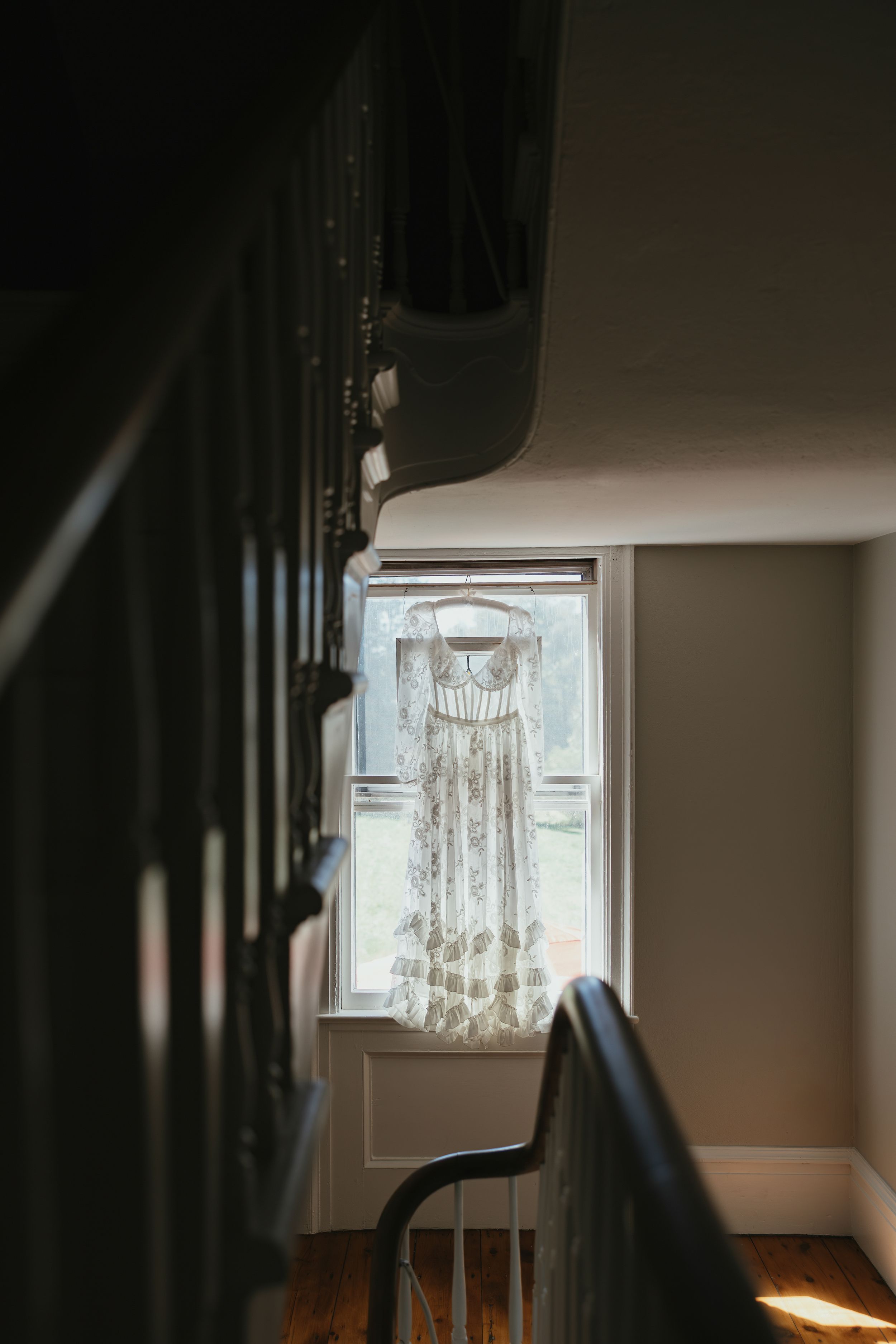
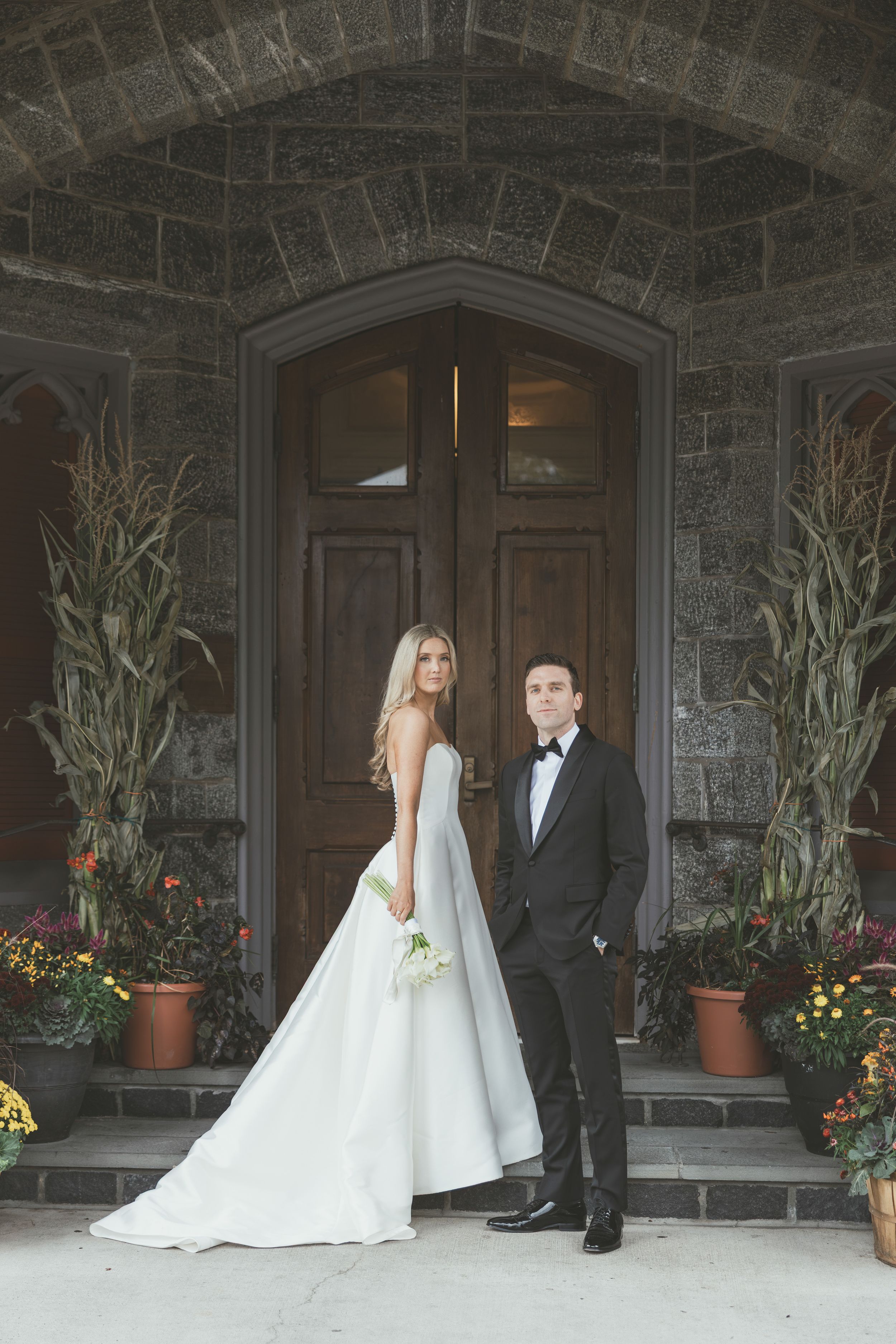
How Wedding Photography Fits Into Your Wedding Day Timeline
Wedding photography isn’t a separate part of your day—it’s woven into everything from getting ready through the reception. How your timeline is structured determines how smoothly moments unfold, how much time you have with your guests, and how natural your photos feel.
Wedding photography isn’t something that happens in one block of time. It runs through the entire day, connecting each part from getting ready to the reception. Every transition, whether it’s moving between locations, gathering family for photos, or shifting from ceremony to cocktail hour, impacts how the day flows and how much space you have to actually be present in it. When these pieces are aligned, photography feels seamless. When they’re not, it can start to feel like you’re constantly being pulled away.
What makes the biggest difference isn’t how much coverage you have, but how that time is used. A well-structured day allows for natural moments to happen without forcing them, gives portraits enough room without dragging them out, and keeps things moving without feeling rushed. The result is a day that feels easier to navigate and a set of images that reflect what it actually felt like to be there.
The goal isn’t to “fit photos in.” It’s to build a timeline that allows them to happen naturally.
When this is done right:
- You’re not rushed
- You’re not constantly being pulled away
- You spend more time with your guests
- The photos feel effortless
👉 If you’re trying to figure out how much time you actually need, read my full breakdown of How to Create the Perfect Wedding Timeline for Natural, Picture-Perfect Moments
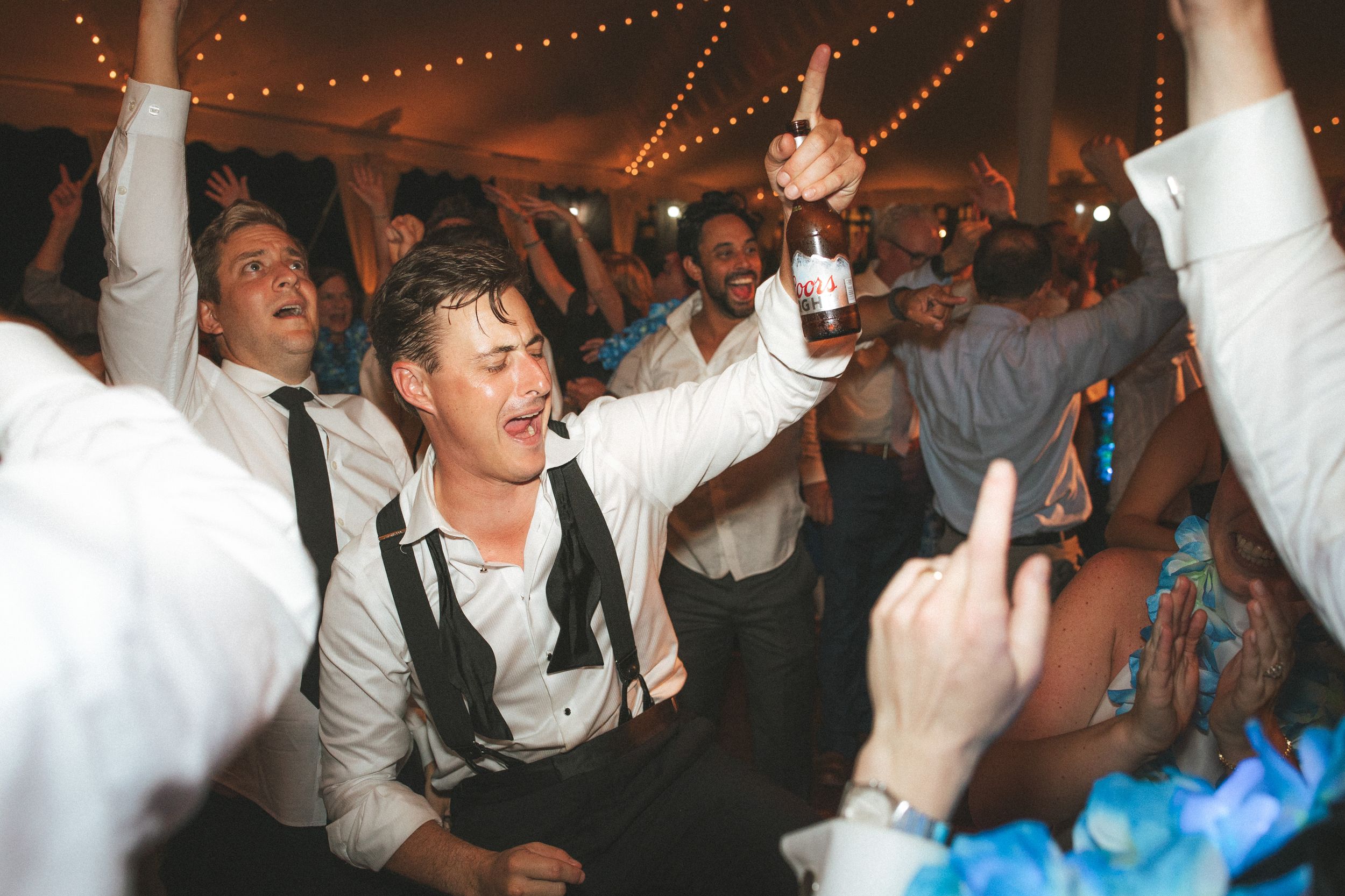
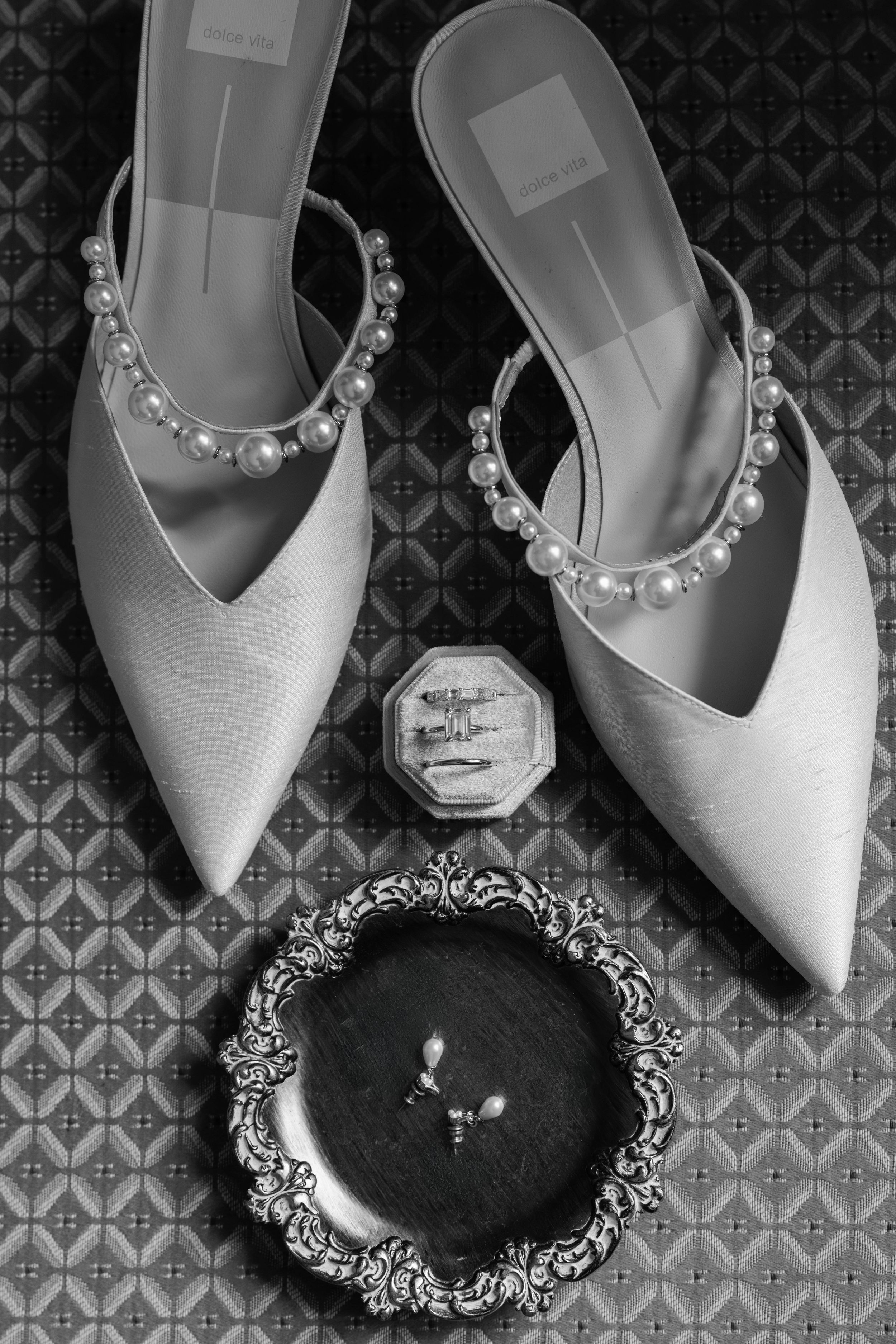
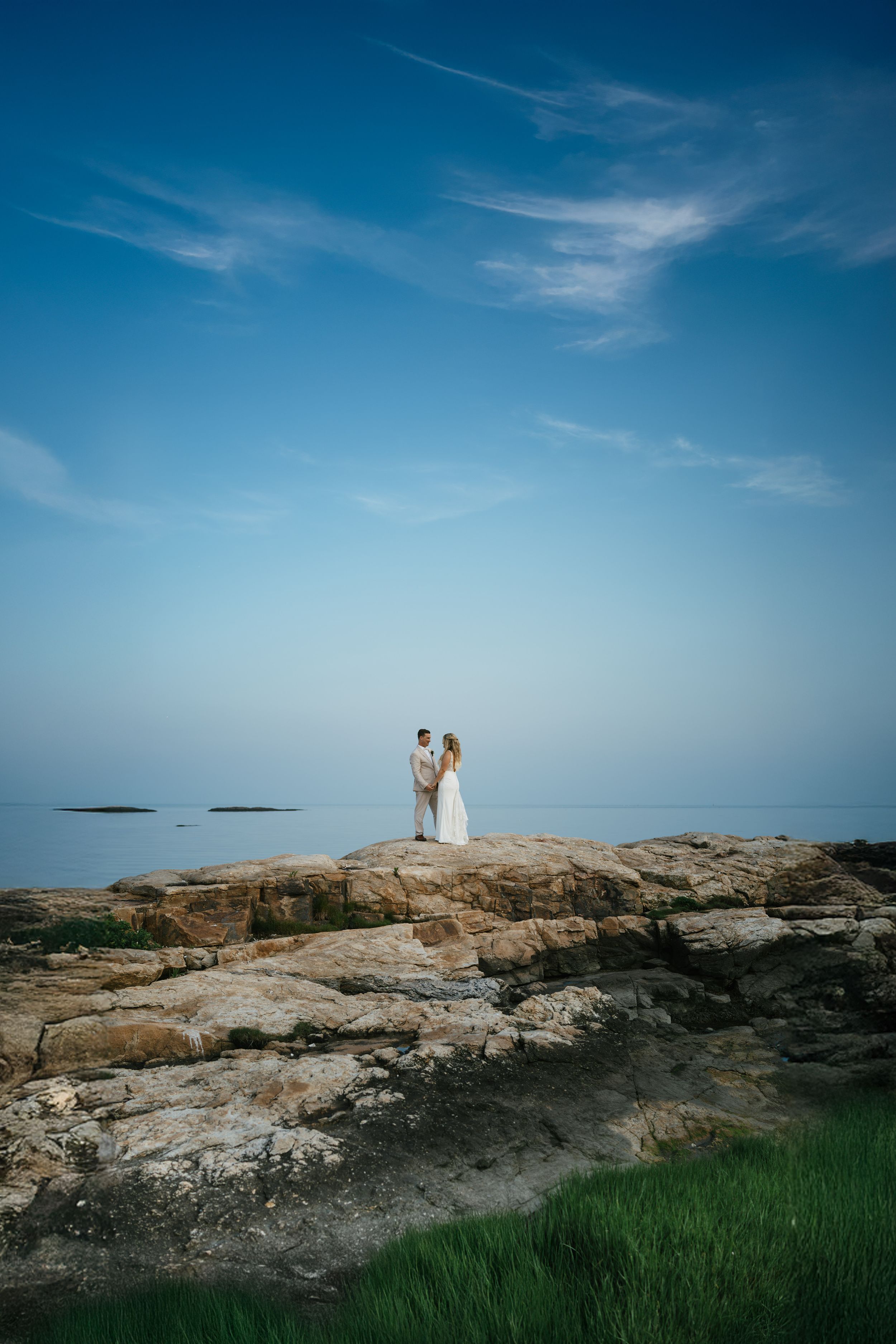
How Many Hours of Wedding Photography Do You Need? (7 vs 8 vs 10 Hours)
Most couples need between 7–10 hours of wedding photography coverage, depending on how their day is structured, how many locations are involved, and how much of the story they want captured. The right amount of coverage isn’t just about time—it’s about how relaxed or compressed the day feels.
Choosing how many hours of coverage you need is really about understanding how your day is going to unfold. Shorter coverage can work, but it usually comes with tradeoffs. You may need to limit getting ready coverage, condense portraits, or end coverage earlier in the reception. For smaller weddings or more contained timelines, that can be a reasonable approach, but it requires being intentional about what matters most.
As coverage increases, the day tends to feel less compressed. Eight hours typically provides a strong balance, allowing you to capture the core parts of the day without feeling rushed, especially if everything is happening in one location. Ten hours creates more flexibility, particularly when there are multiple locations, larger wedding parties, or extended family photos. It gives space for the day to unfold naturally, reduces pressure on transitions, and allows more of the in-between moments to be captured without constantly watching the clock.
This decision shapes your entire day.
- 7 hours requires tradeoffs
- 8 hours gives strong, balanced coverage
- 10 hours creates flexibility and breathing room
The difference isn’t just time. It’s how your day feels.
This becomes especially important when building your timeline around key moments like a first look or post-ceremony portraits.
👉 Not sure what’s right for your day? Here’s a deeper breakdown of how each timeline actually plays out.
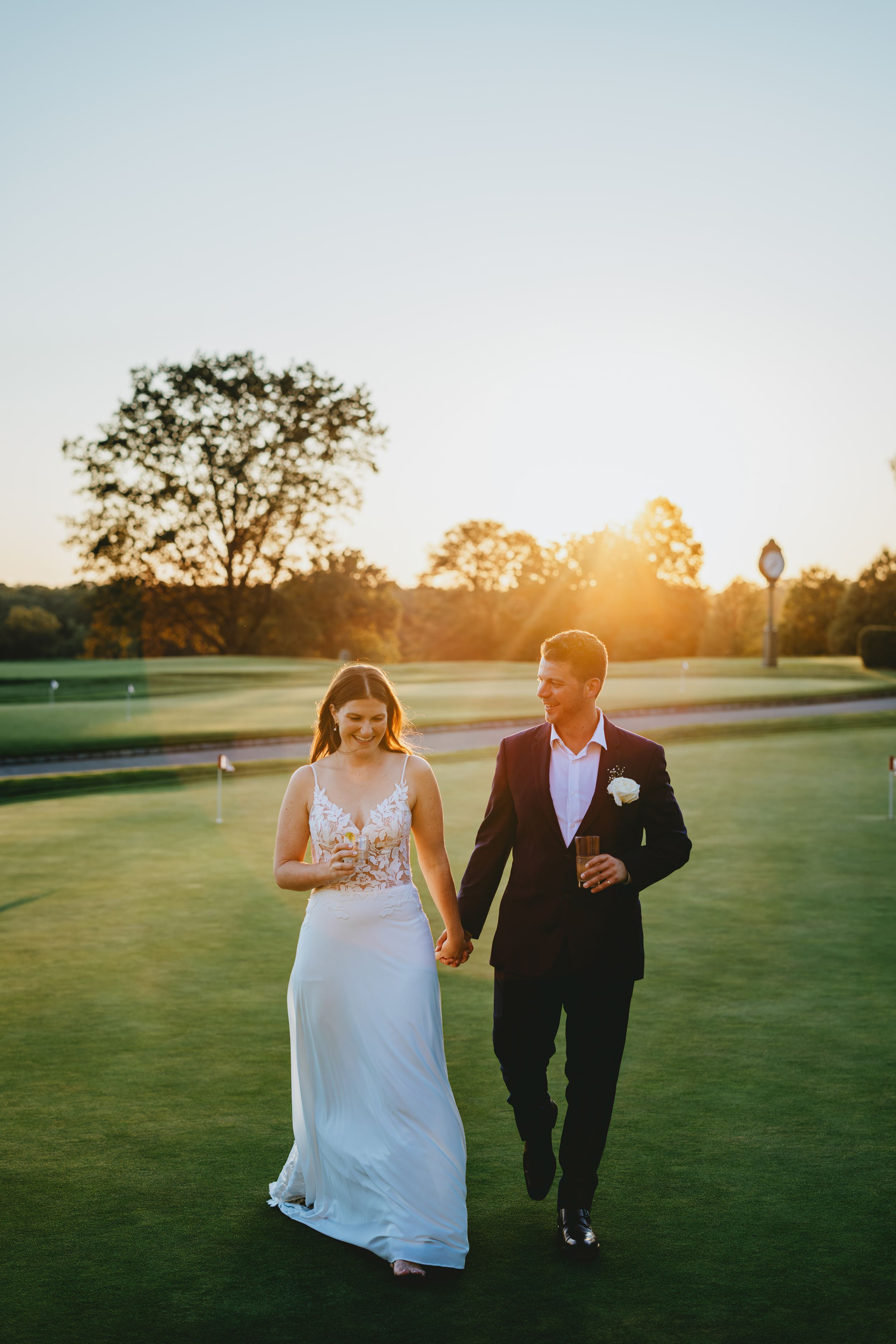
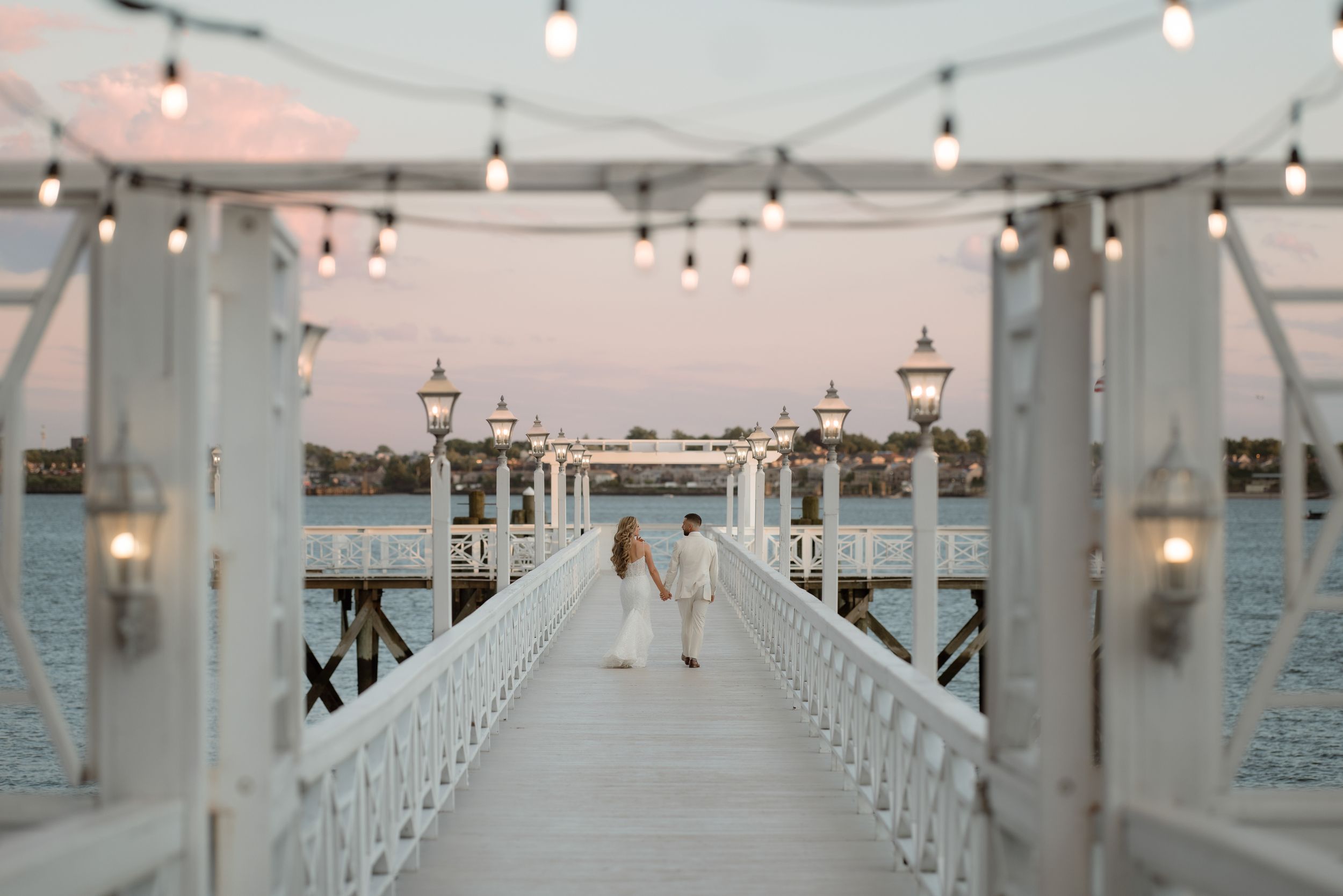
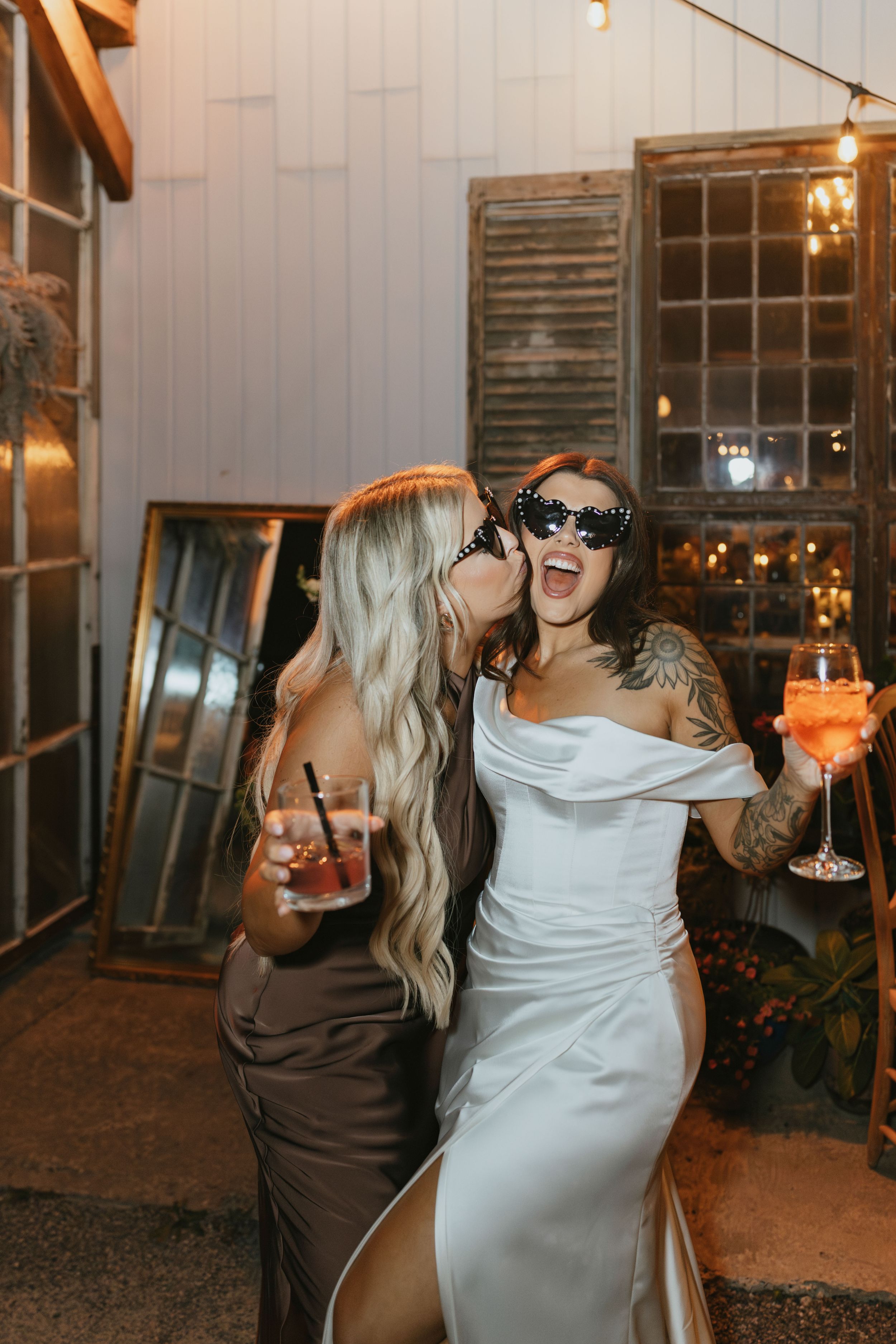
Should You Do a First Look? How It Impacts Your Timeline and Photos
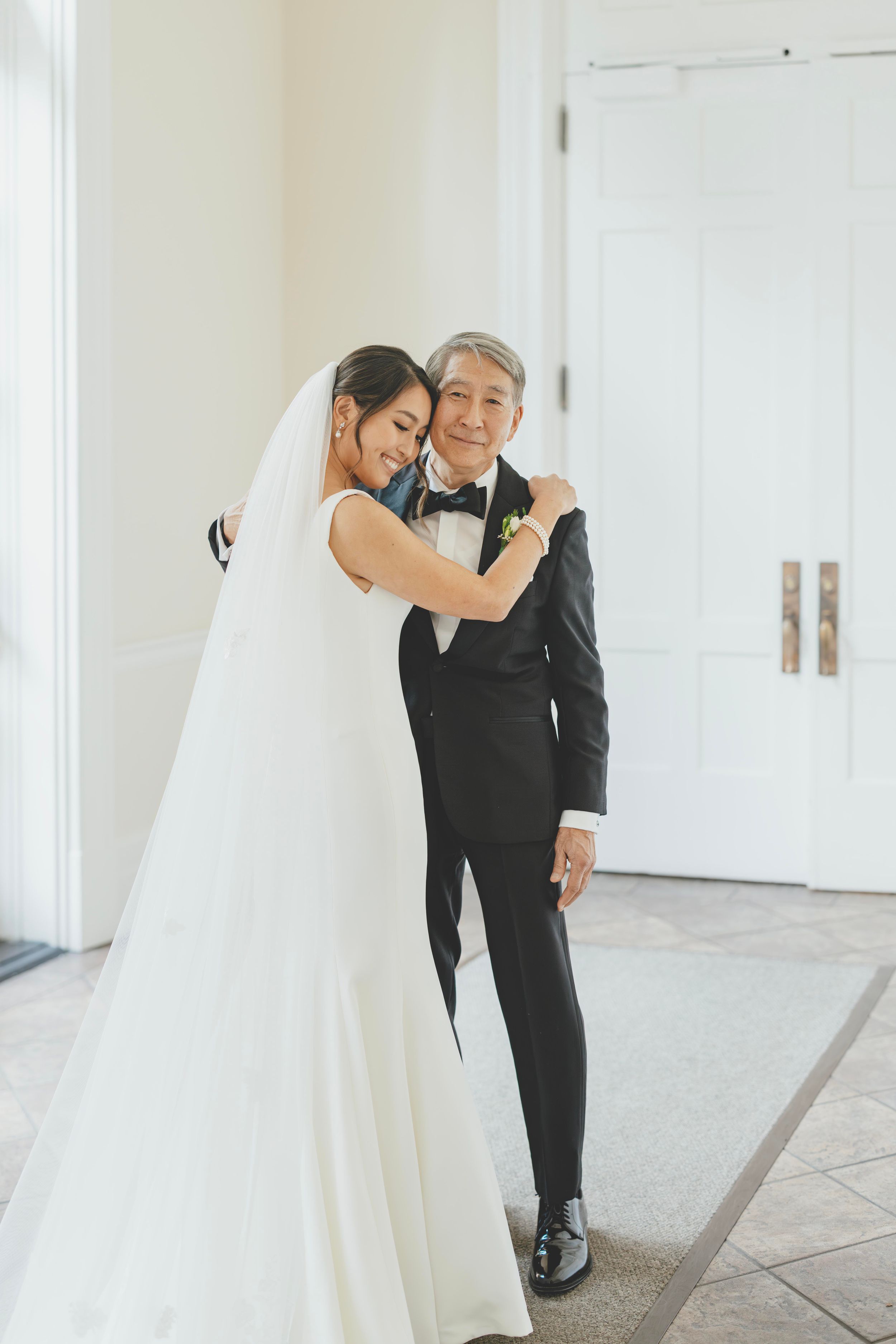
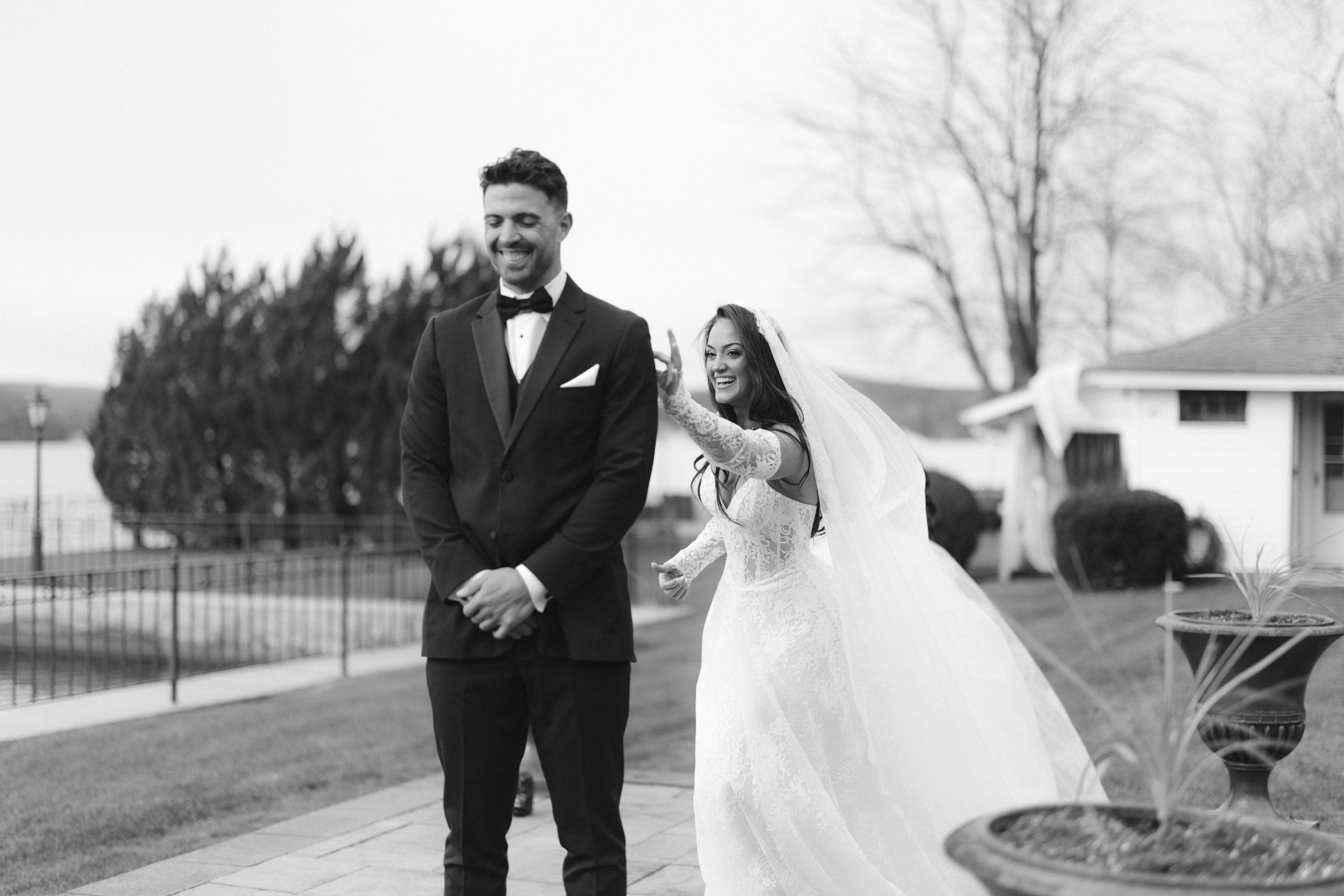
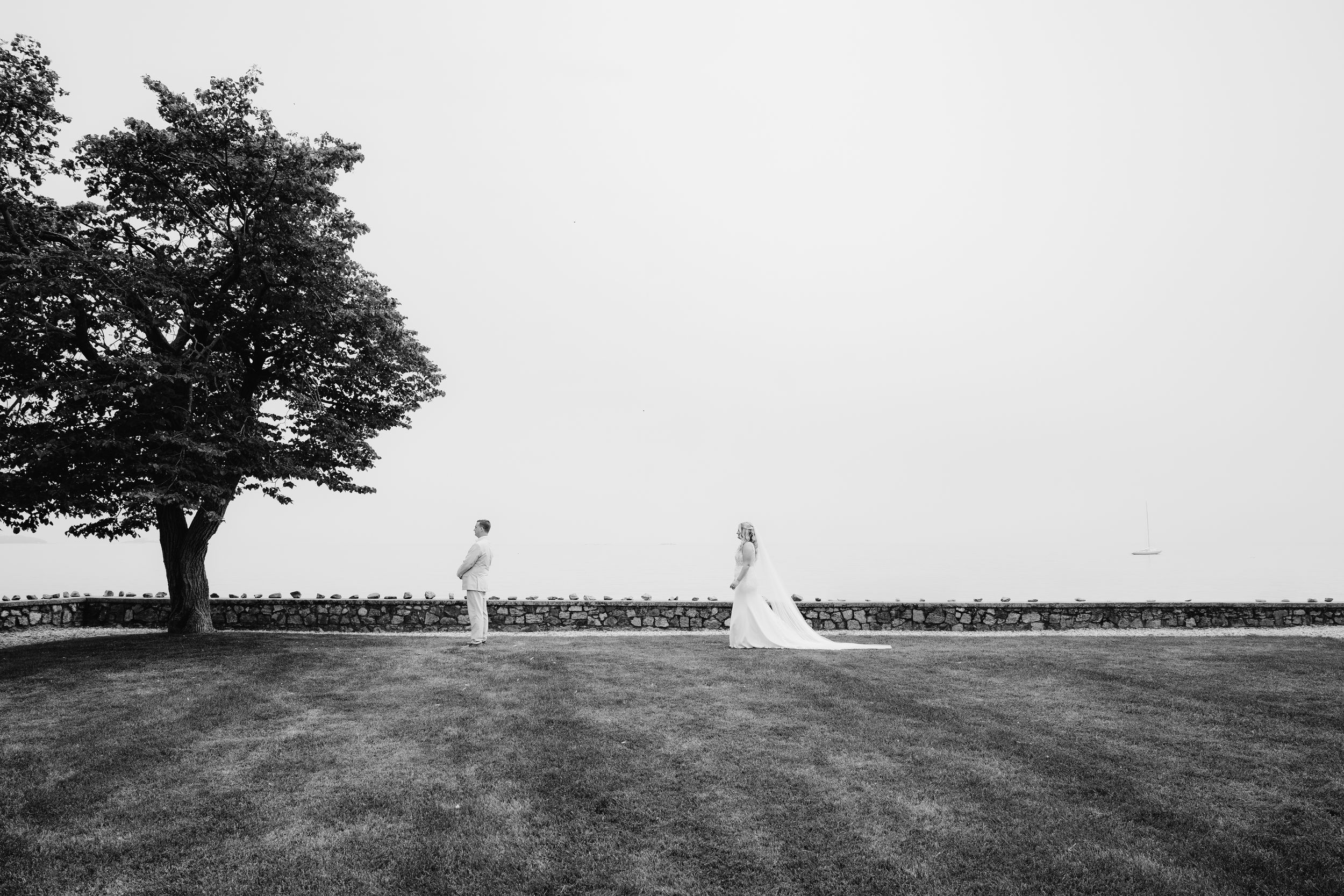
Deciding whether to do a first look comes down to how you want your day to feel. It affects when portraits happen, how your timeline flows, and how much of the cocktail hour you’re able to be present for. It’s not just a tradition decision, it’s a structural one.
A first look shifts a significant portion of the day earlier. It allows you to see each other privately before the ceremony and opens the door to completing many of your portraits ahead of time, including couples photos, wedding party, and often a portion of family photos. This creates more flexibility later in the day and can make the overall experience feel less rushed, especially as things transition from the ceremony into cocktail hour and the reception.
Choosing not to do a first look keeps that moment traditional, but it compresses the schedule afterward. Portraits, family photos, and wedding party images all need to happen in a shorter window, which can limit how much time you have during cocktail hour and increase the pace of that part of the day. Neither option is inherently better. It depends on what you value more: keeping that moment for the aisle or creating more space throughout the day.
A first look is less about tradition and more about structure.
With a first look:
- You can complete most portraits before the ceremony
- You get time together before everything begins
- You’re free during cocktail hour
Without one:
- Everything shifts later
- Time becomes tighter
- You may miss cocktail hour
There’s no right answer. It depends on the experience you want.
👉 If you’re deciding between the two, read my full guide on how a first look changes your timeline and overall wedding day.
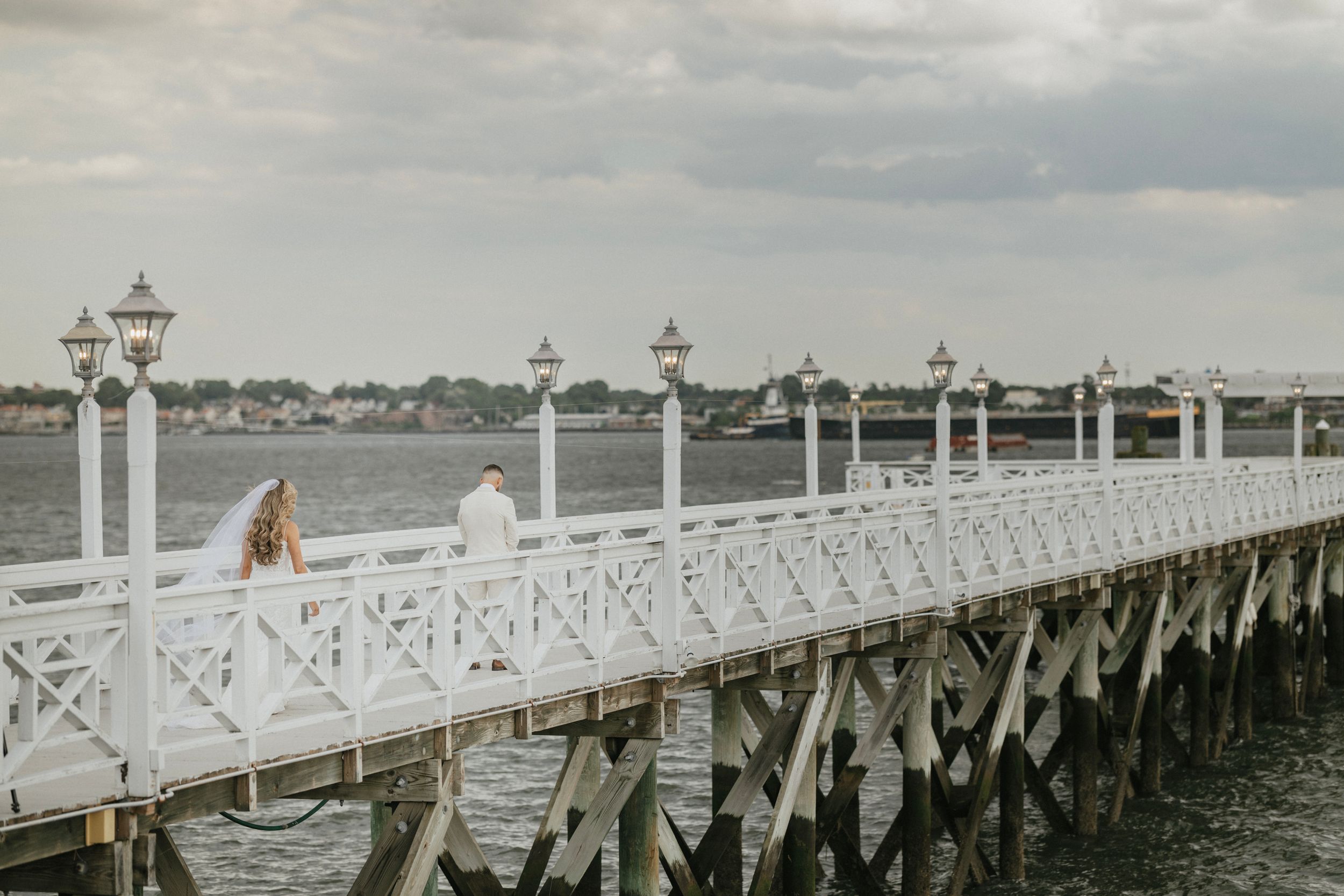
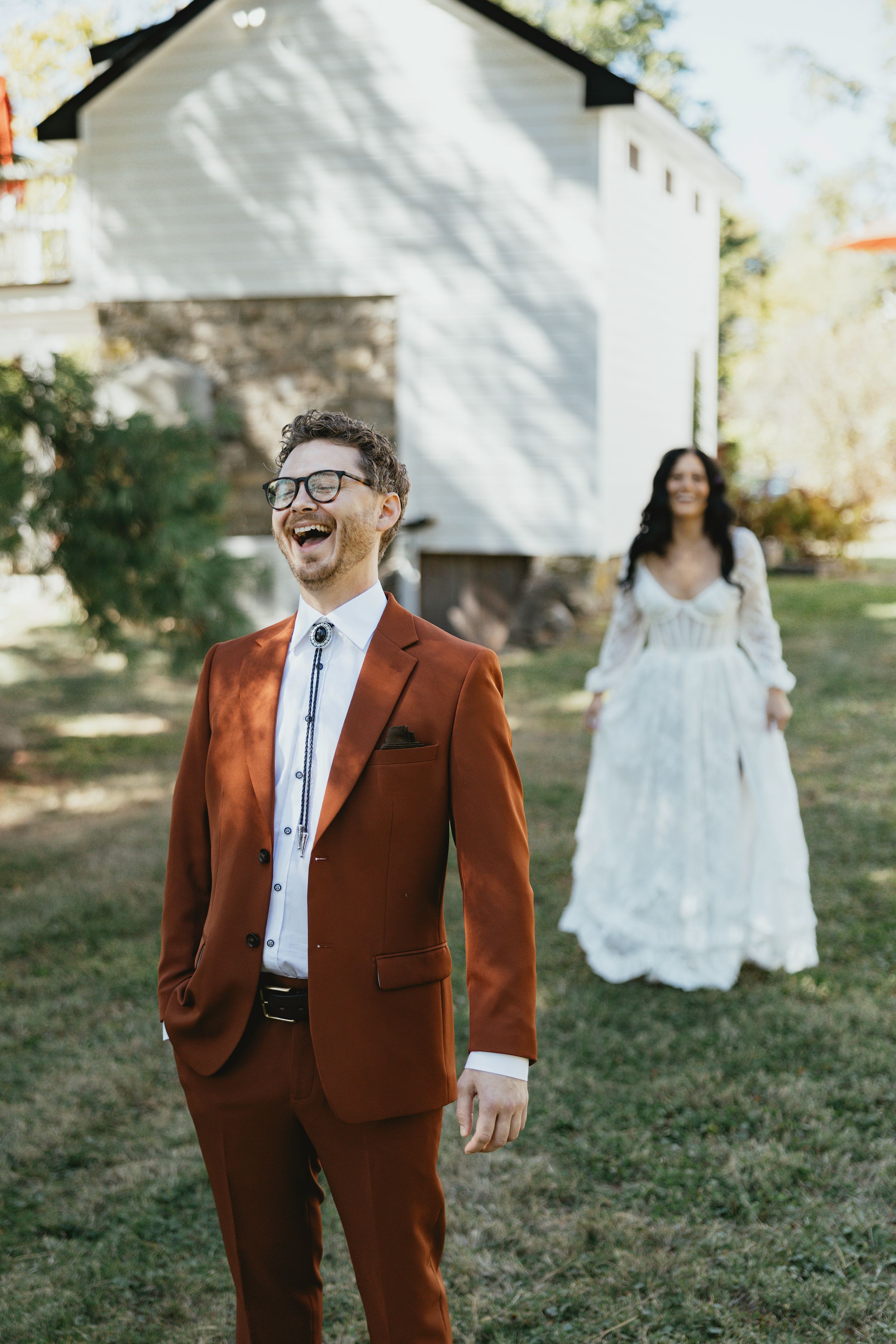
How to Build a Wedding Photography Timeline That Works
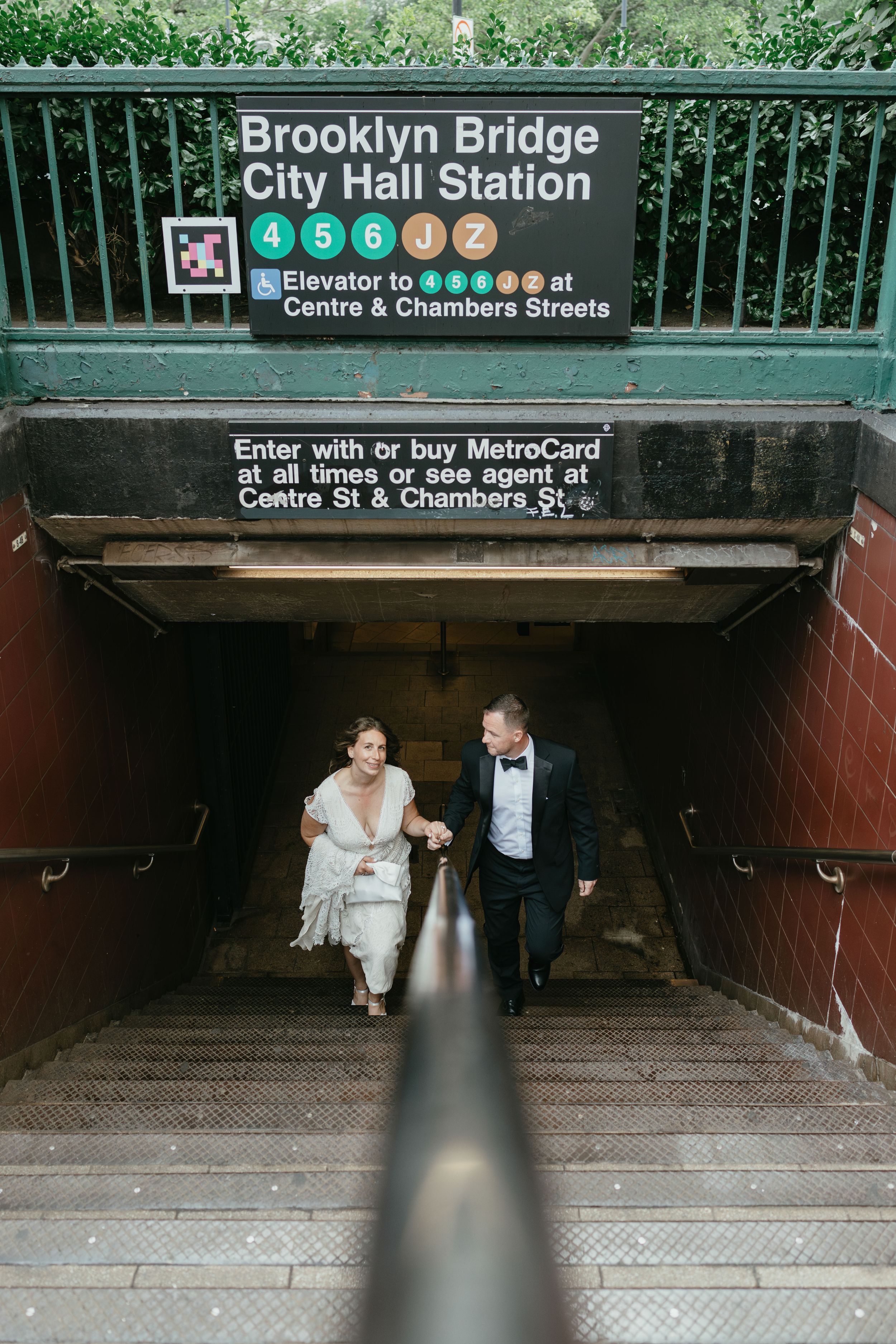
Building a strong wedding photography timeline is less about filling in time blocks and more about creating a flow that allows moments to happen naturally. The way your day is structured determines how relaxed or rushed everything feels, how much time you have with your guests, and how easily your photographer can capture what’s actually happening.
A well-built timeline starts with understanding how each part of the day connects. Getting ready, portraits, ceremony, and reception are not isolated blocks. They rely on smooth transitions, realistic timing, and enough flexibility to absorb small delays without affecting everything that follows. When timelines are too tight, even minor setbacks can create a ripple effect that compresses key moments and adds unnecessary pressure.
What makes the biggest difference is not adding more time, but using it intentionally. Factoring in travel between locations, allowing space between major events, and aligning key moments with the best available light all contribute to a smoother experience. The goal is to create a structure that supports the day rather than controls it. When that balance is right, everything feels easier to move through, and the photos reflect that without needing to force anything.
Most timelines don’t fail because of photography. They fail because they’re too tight.
Key factors:
- Travel time across Hudson Valley venues
- Buffer time between moments
- Light timing, especially in fall
The goal is to create space, not pack everything in.
👉 Want to see how this works in practice? Here’s a real 8-hour wedding timeline and how it flows.
How to Plan Family Photos on Your Wedding Day (Without Delays)
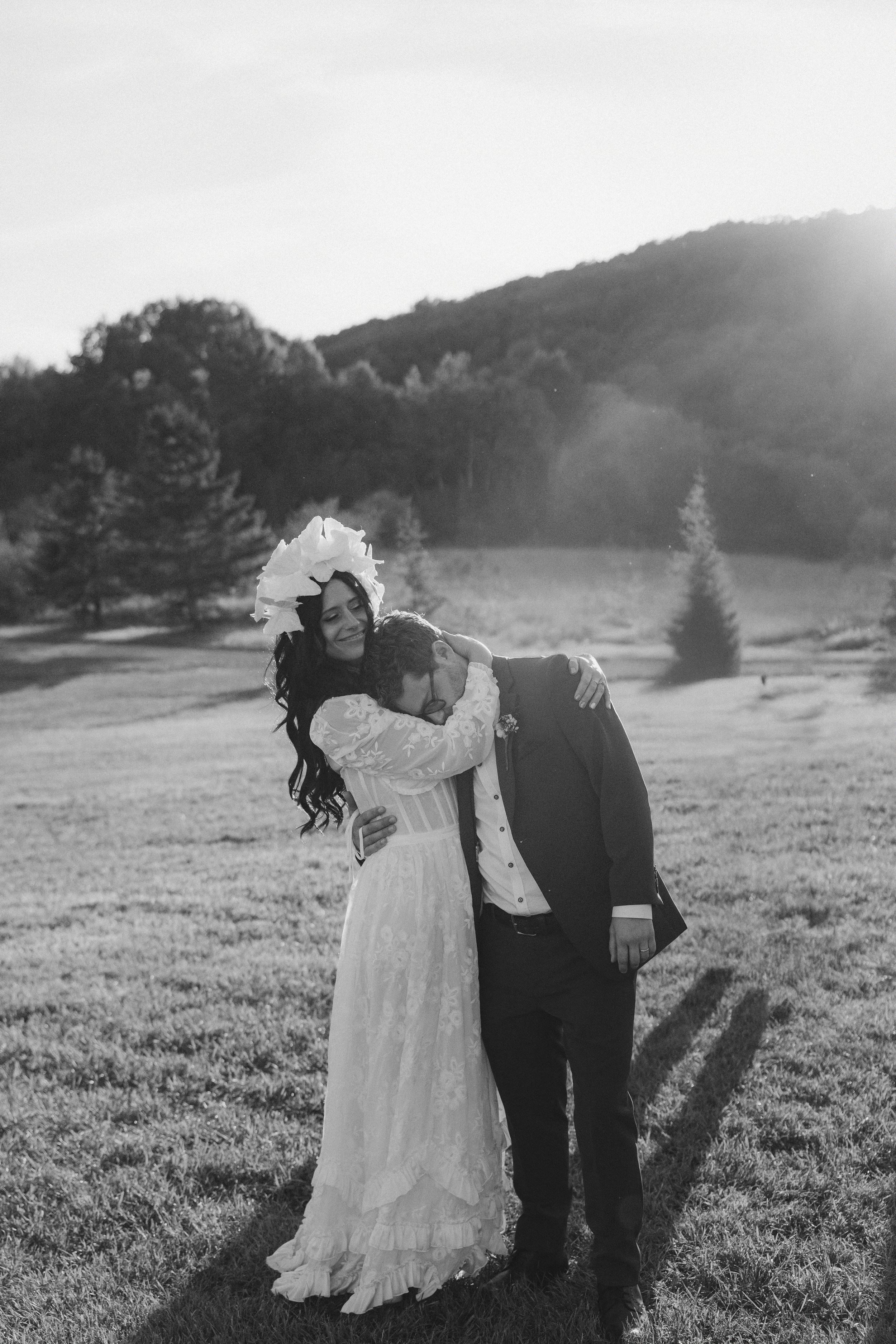
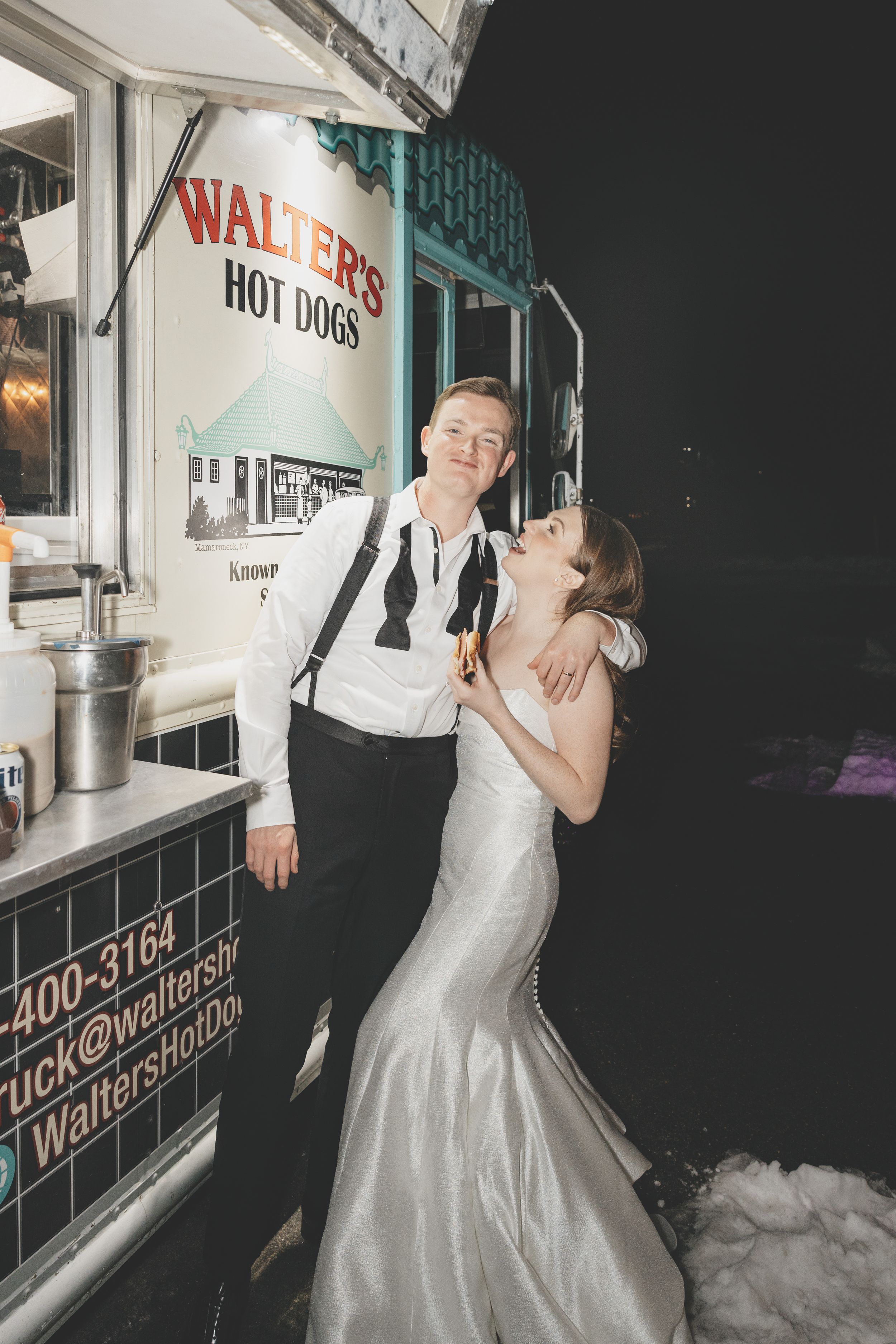
Family photos are one of the most important parts of the wedding day, but they’re also where timelines can slow down if they’re not planned carefully. The key is balancing who matters most with how much time you realistically have, so this part of the day stays efficient without feeling rushed.
Family photos work best when they’re structured ahead of time. Instead of deciding combinations in the moment, a clear list of groupings allows everything to move quickly and keeps people organized. A good rule of thumb is about one minute per grouping, which helps set realistic expectations for how long this portion will take. Most weddings land in the 30 to 40 grouping range, focusing on immediate family and the most important relationships.
Where things tend to slow down is when the list becomes too expansive or includes every possible combination. This not only adds time but can also make the experience feel repetitive for everyone involved. A more effective approach is to prioritize key groupings during formal photos and allow extended family and additional moments to happen more naturally throughout cocktail hour and the reception. This keeps the process efficient while still capturing everything that matters.
Family photos are one of the most important parts of the day, and one of the easiest to derail the timeline.
A simple rule:
Plan for about one minute per grouping
Most weddings work best with:
- 20–30 groupings
- Immediate family + key VIPs + Wedding Party
Trying to include too much creates delays and fatigue.
👉 Here’s how to organize your family photo list so it runs smoothly and efficiently.
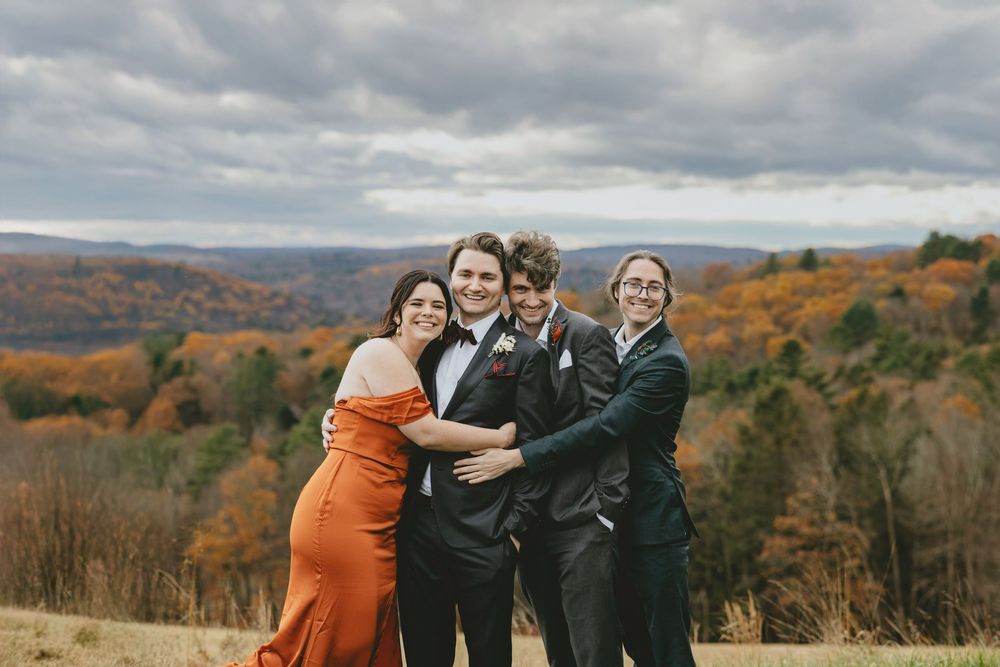
Do You Need a Second Photographer for Your Wedding?
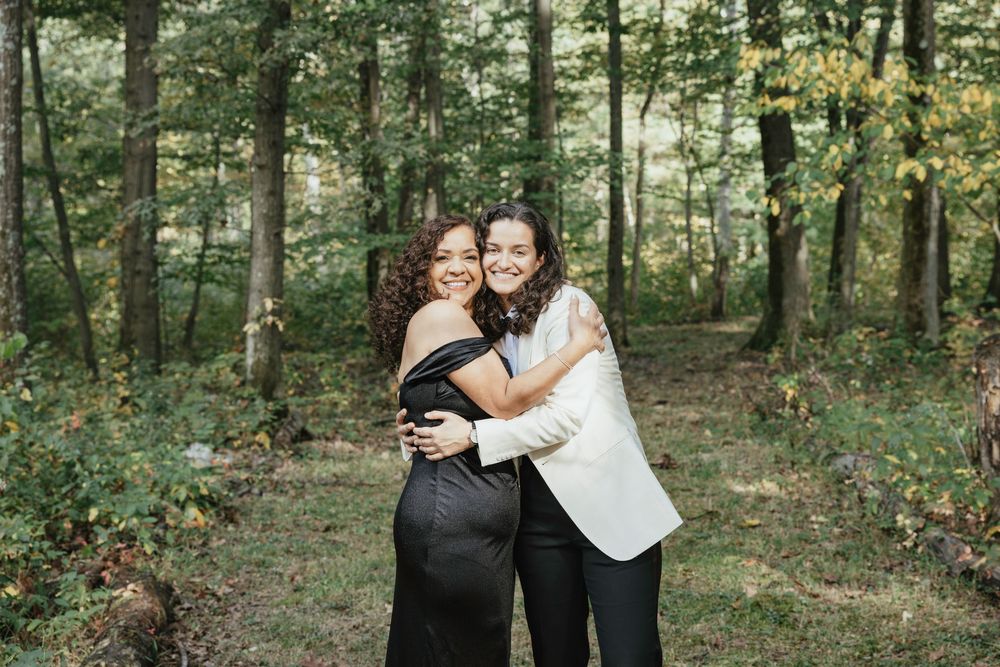
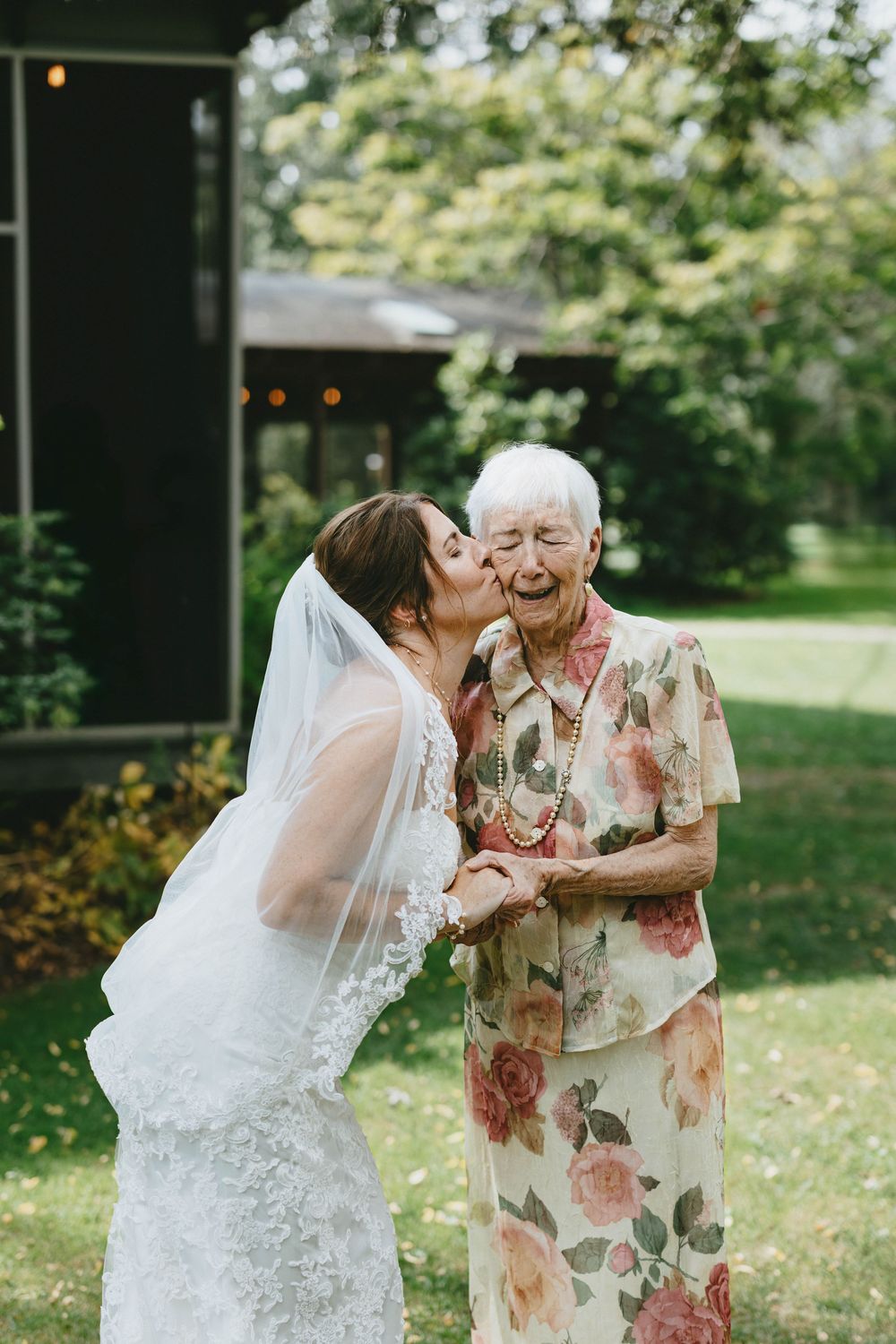
Whether you need a second photographer depends less on preference and more on how your day is structured. In certain situations, it adds meaningful coverage and flexibility. In others, a single photographer can cover everything without compromise.
A second photographer becomes most valuable when your timeline requires coverage in multiple places at the same time. This often comes up when both partners are getting ready in separate locations, when there’s no first look and everything needs to happen after the ceremony, or when the guest count and overall scale of the wedding make it harder to capture everything from a single perspective. In these cases, having a second photographer allows for parallel coverage and helps ensure key moments aren’t missed.
Outside of those scenarios, it’s less about necessity and more about how you want the day documented. A second photographer can provide additional angles, more candid coverage during cocktail hour, and a broader view of the overall experience. But for more contained timelines or weddings in a single location, one photographer is often enough to tell the full story effectively. The decision comes down to coverage needs, not just the idea of having more photos.
A second photographer isn’t always necessary, but it can be valuable.
Best scenarios:
- No first look
- Multiple locations
- Large guest counts
It allows for:
- Simultaneous coverage
- Cocktail hour documentation
- Additional perspective
👉 Here’s a full breakdown of when a second photographer is worth it and when it’s not.
How to Choose the Right Wedding Photographer
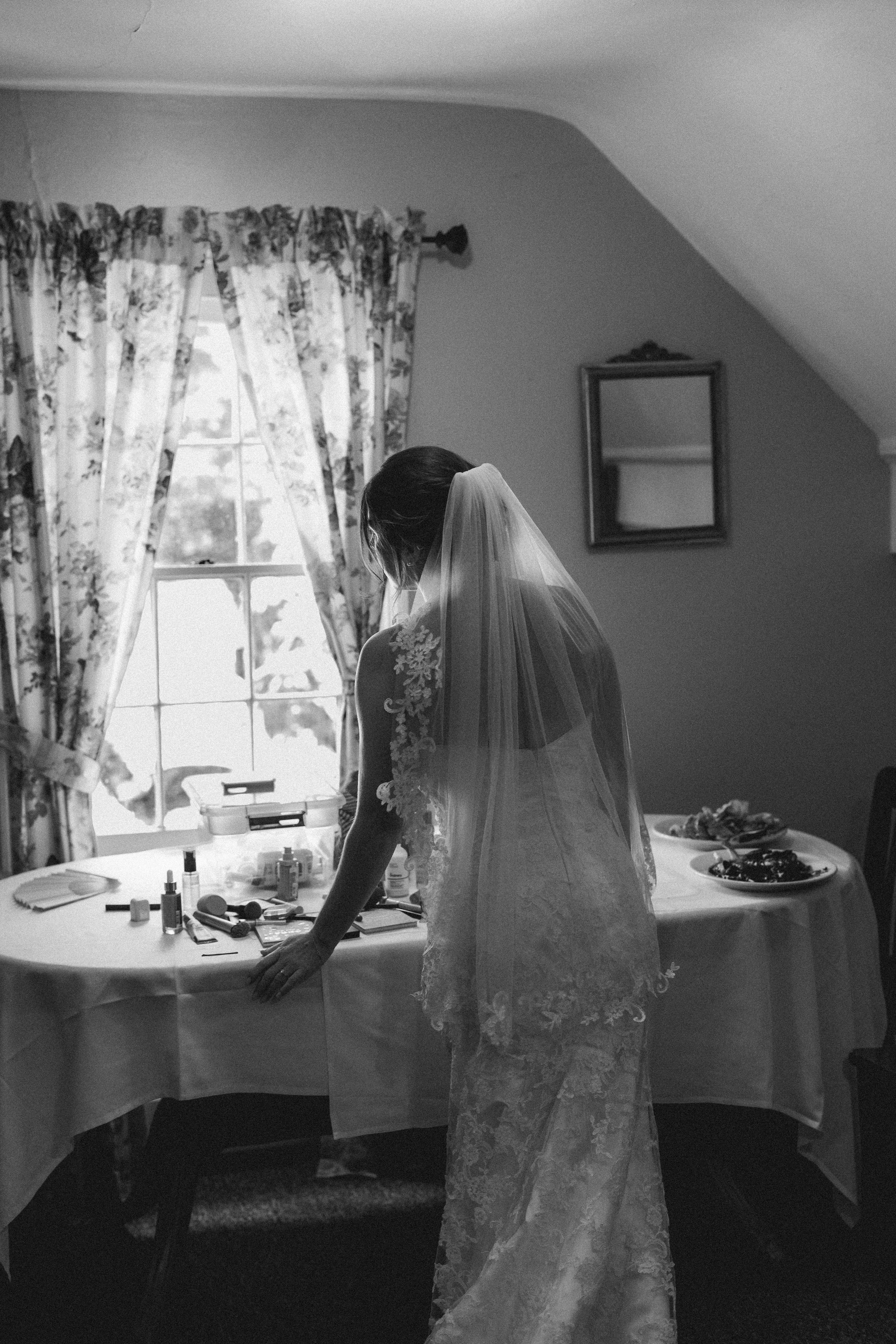
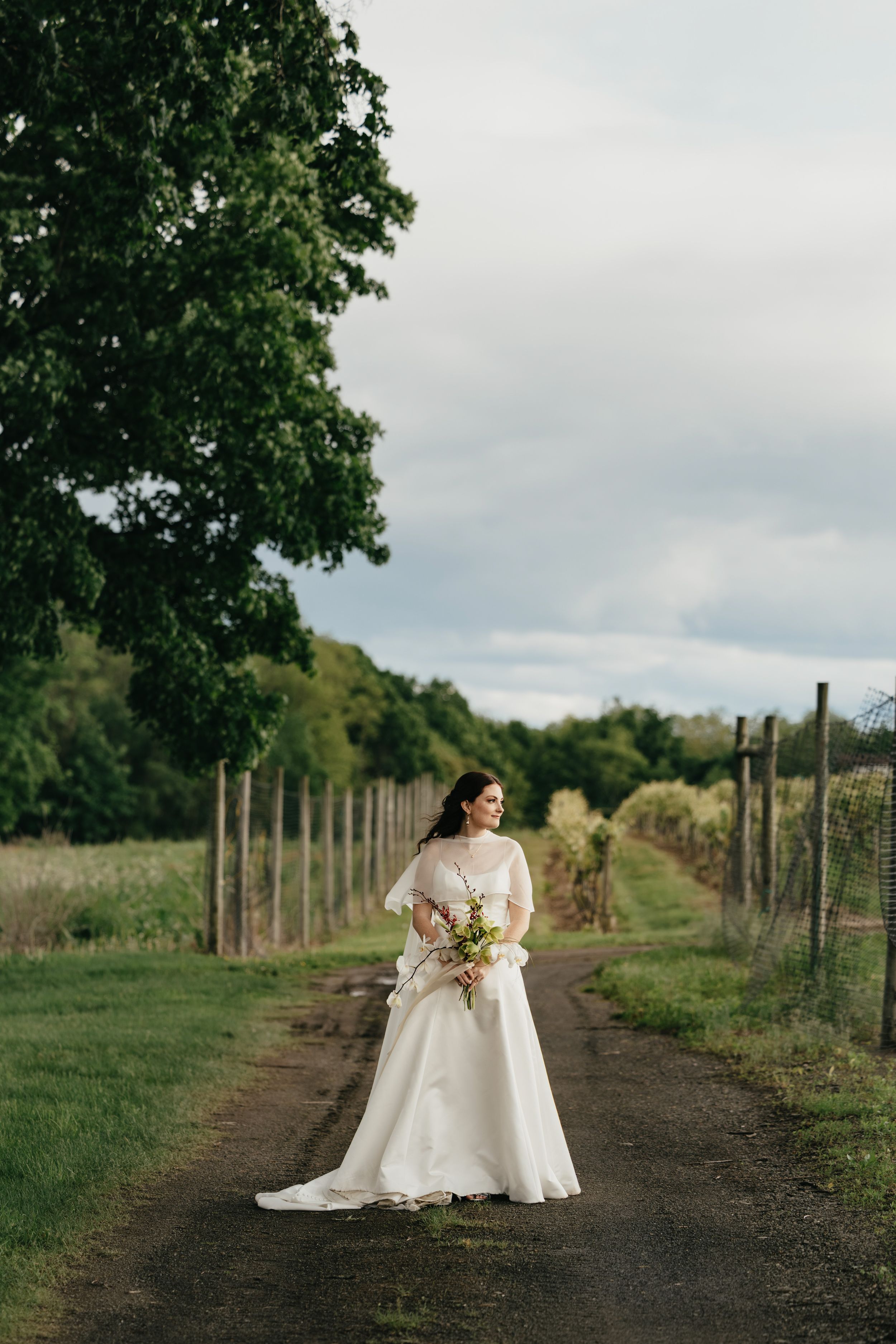
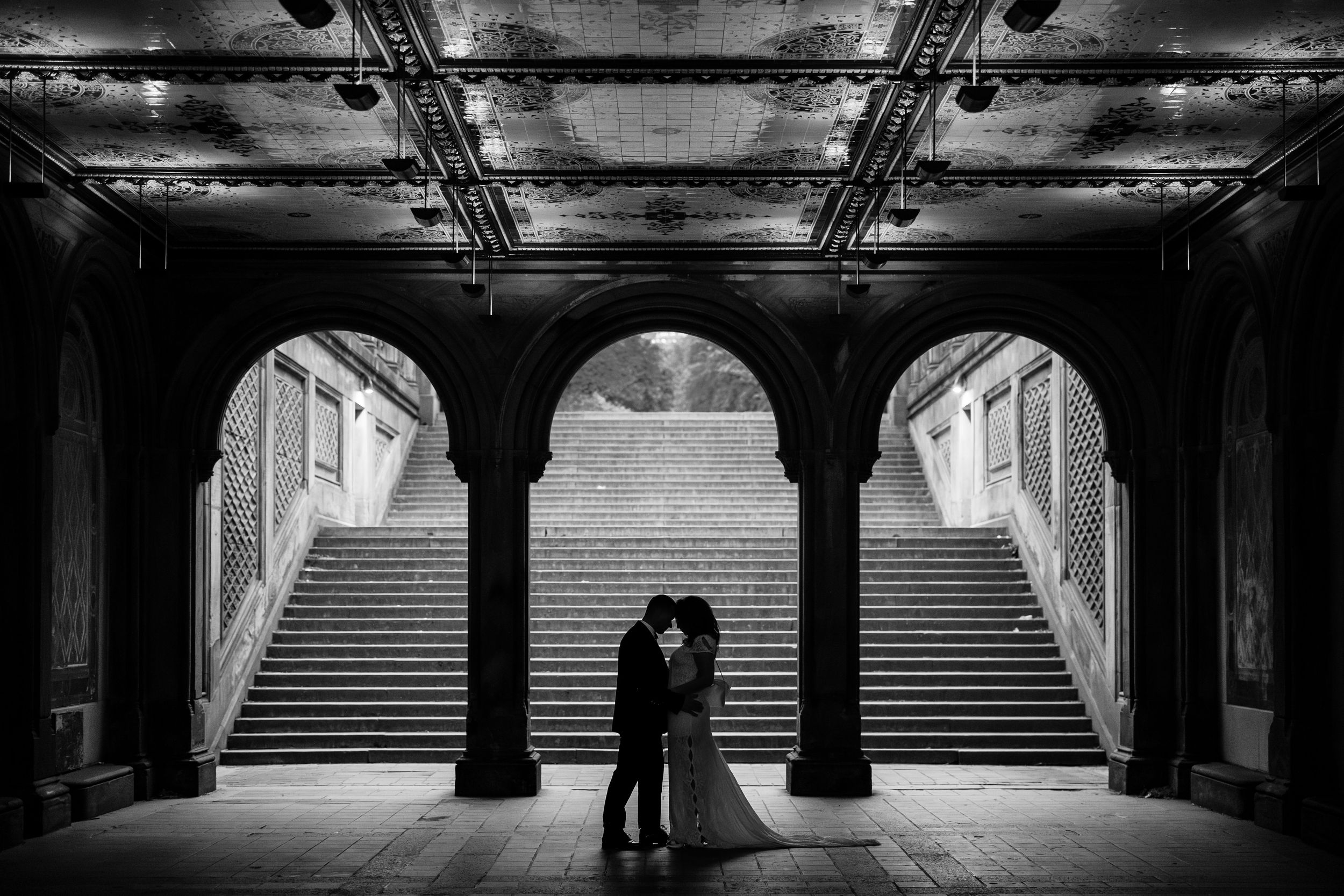
Choosing the right wedding photographer is less about comparing packages and more about finding someone whose work, approach, and presence align with how you want your day to feel. The right fit affects not just your photos, but your entire experience.
Most couples start by looking at portfolios, which is important, but what you’re really evaluating is consistency and approach. It’s not just whether a few images stand out, but whether the overall body of work reflects a style you connect with and trust. Pay attention to how moments are captured across different parts of the day, not just portraits. This gives you a better sense of how your own wedding will be documented.
Beyond the work itself, the photographer’s presence matters just as much. You’ll spend a significant portion of the day together, and how they guide you, communicate, and move through the timeline will directly impact how comfortable everything feels. The right photographer knows when to step in and give direction and when to step back and let moments unfold. That balance is what leads to photos that feel natural while still being intentional.
This decision shapes your entire experience.
What matters most:
- Style that you connect with
- A natural, comfortable approach
- Personality fit
What matters less:
- Small pricing differences
- Whether they’ve shot your venue before
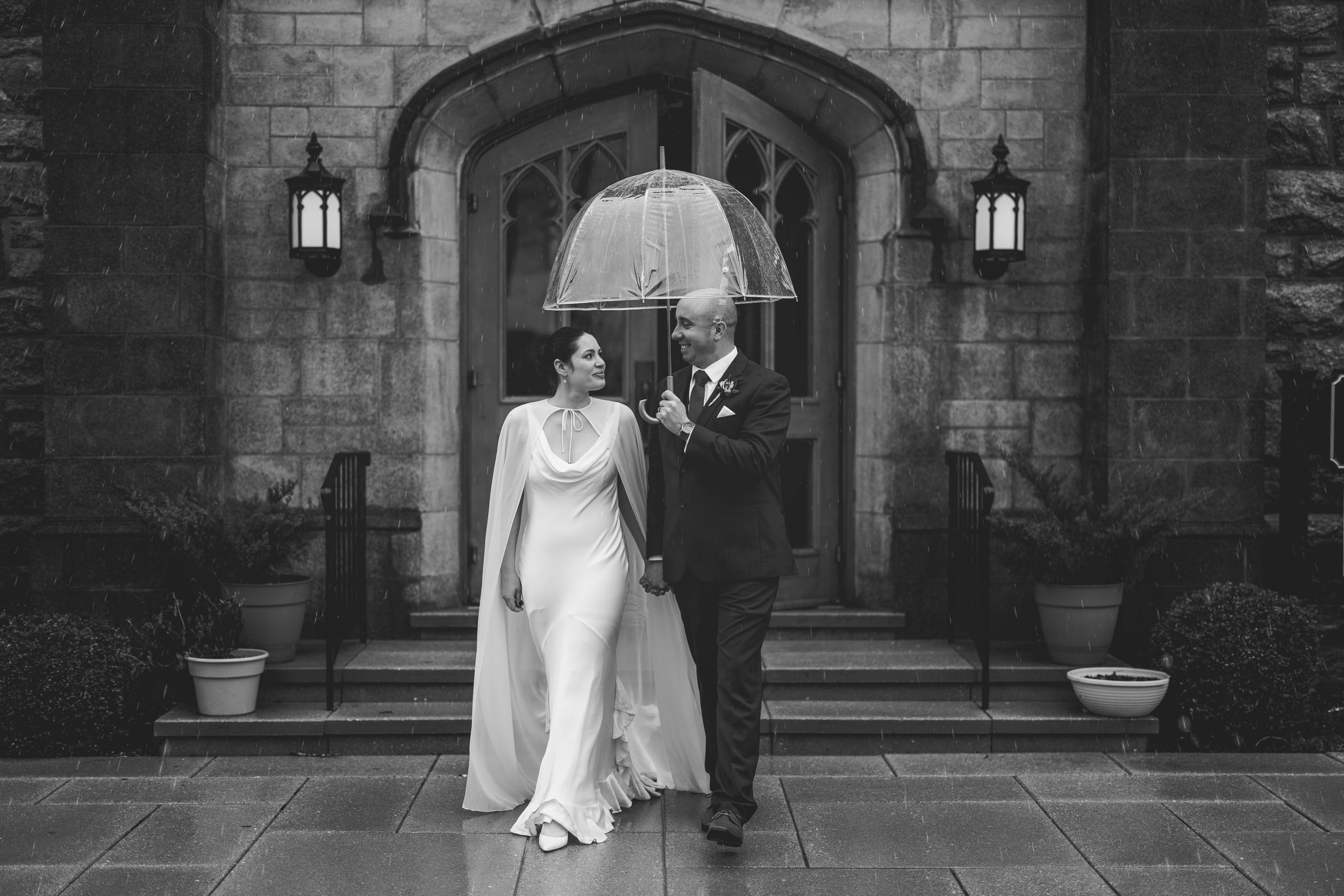
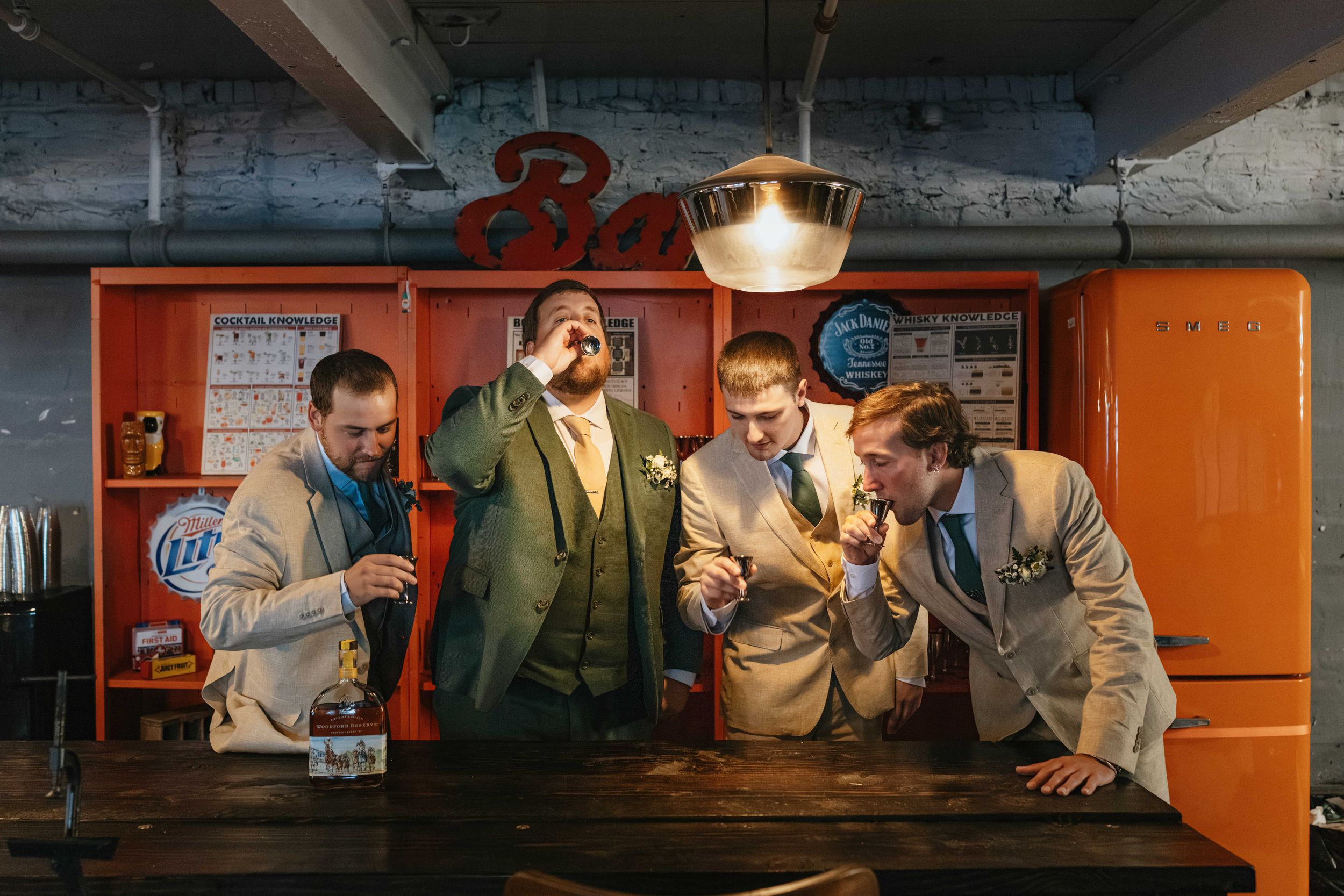
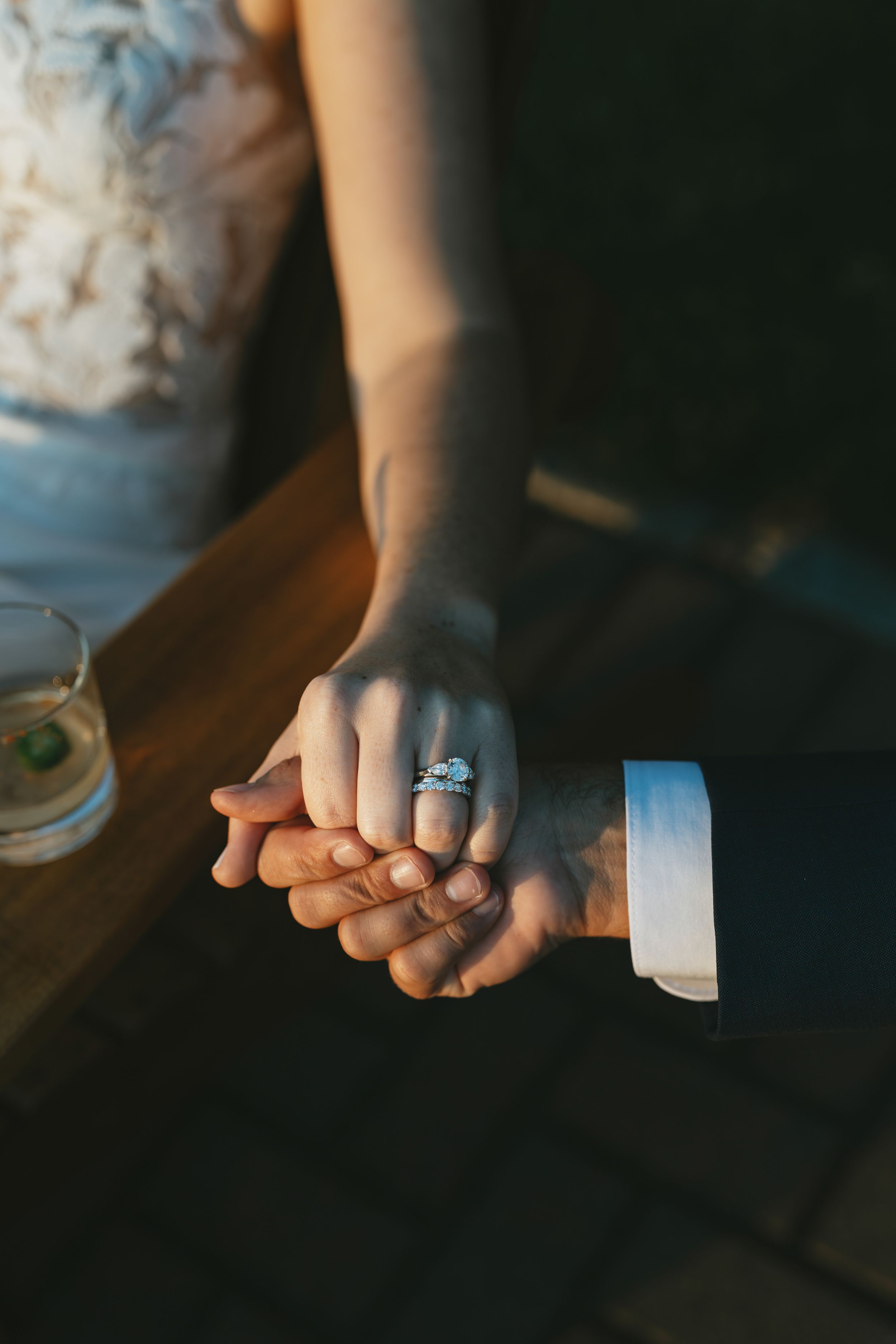
Do You Need a Photographer Who Has Shot at Your Venue Before?
Having a photographer who has worked at your venue before can be helpful, but it’s not what determines the quality of your photos. What matters more is how well they understand light, how they adapt to different environments, and how they prepare for your specific day.
Venue familiarity can offer small advantages, like knowing where the light falls at certain times of day or having a sense of where portraits typically happen. But every wedding is different. Timelines change, weather shifts, and lighting conditions vary depending on the season and time of day. Relying too heavily on past experience at a venue can actually be limiting if it leads to repeating the same approach instead of responding to what’s happening in real time.
What makes a bigger difference is preparation and adaptability. A photographer who takes the time to understand your timeline, scout or research the space, and adjust based on conditions will consistently deliver strong results, regardless of whether they’ve photographed there before. The ability to read light, move efficiently through a new environment, and make decisions quickly is far more valuable than simply having been at a venue once or twice.
It can help, but it’s not what determines the outcome.
What matters more:
- Understanding light
- Adapting quickly
- Planning ahead
- Personality fit with your photographer
- Style you connect with
A strong photographer will prepare for any environment.
👉 Here’s a full breakdown of why venue experience matters less than you think and what actually does.
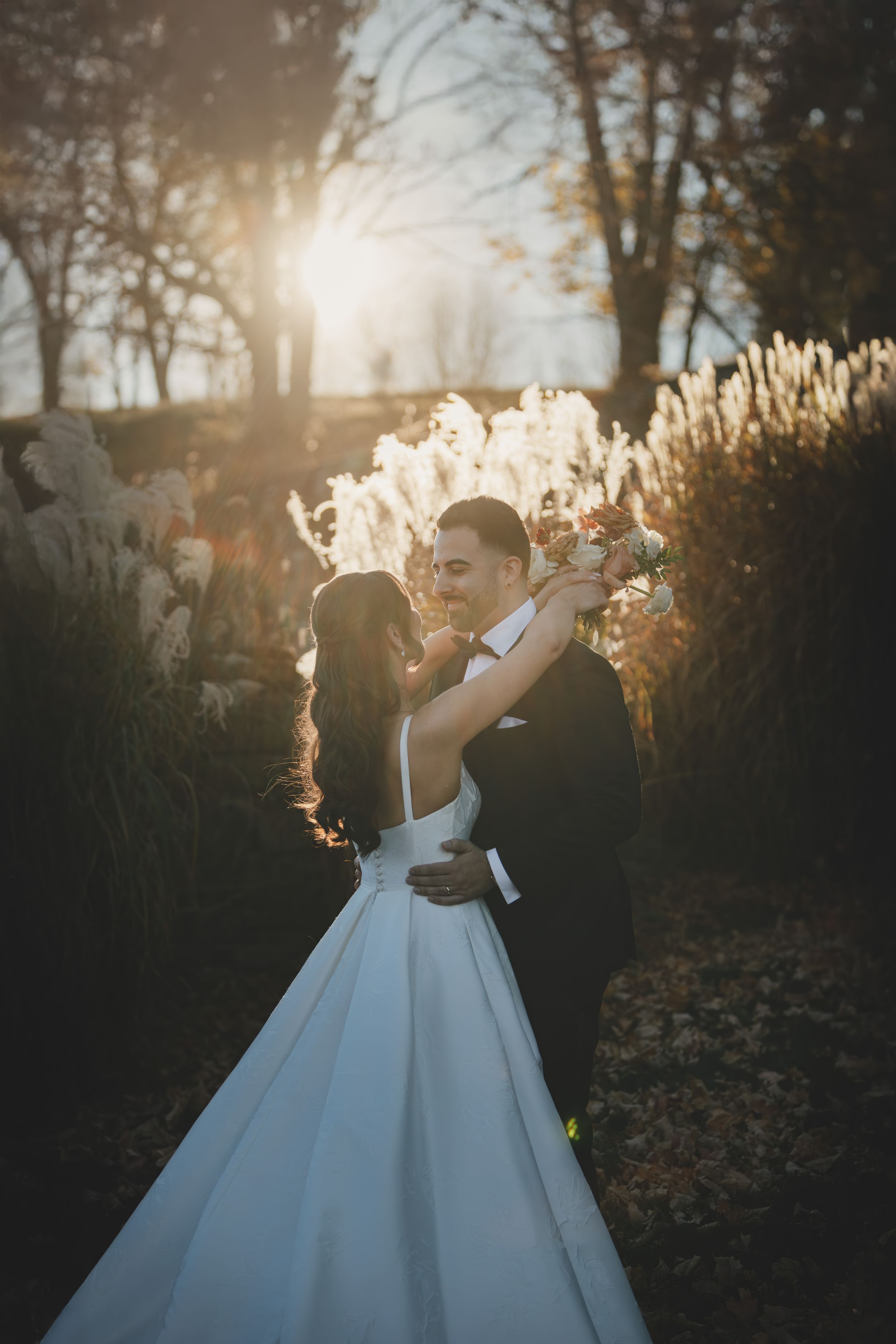
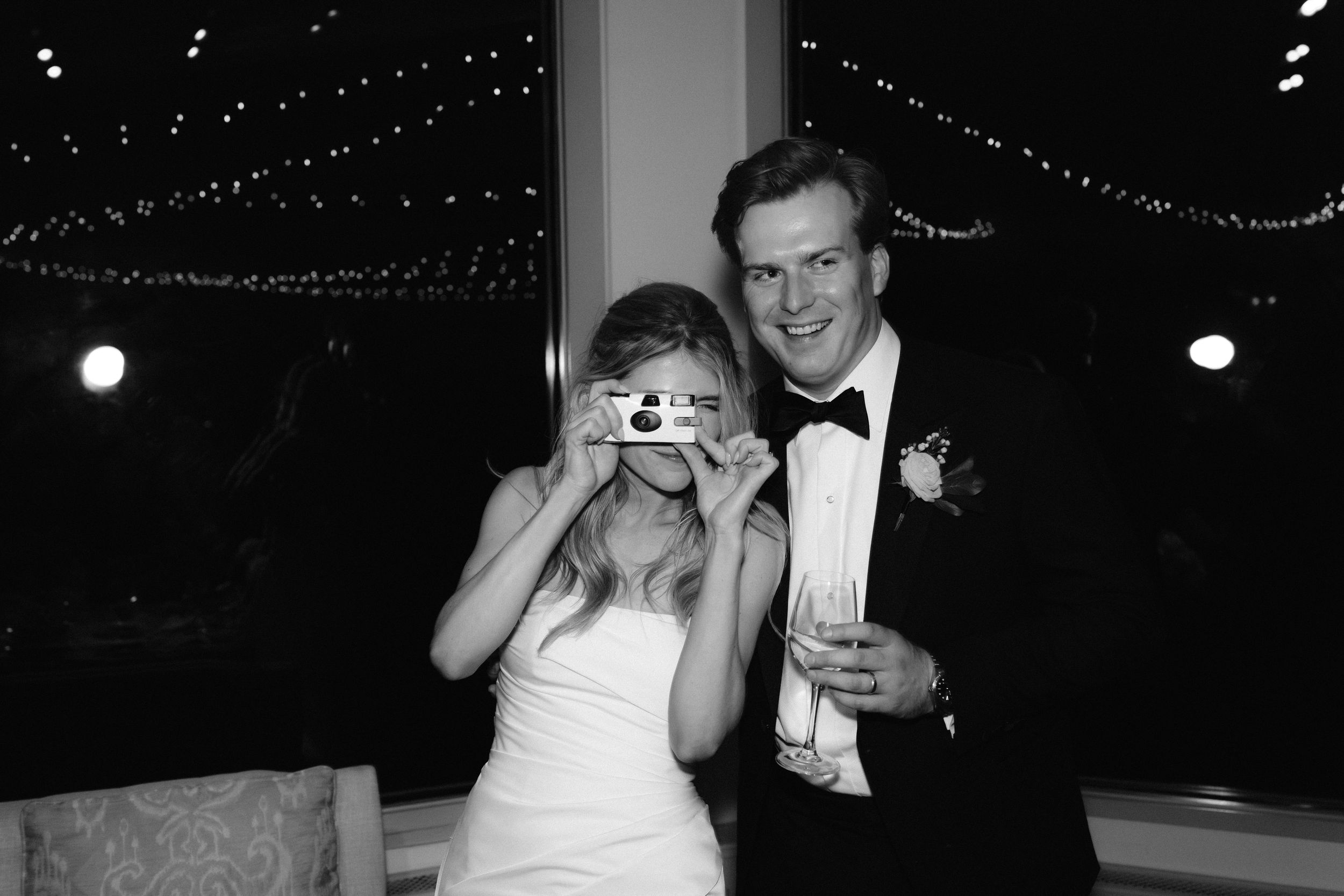
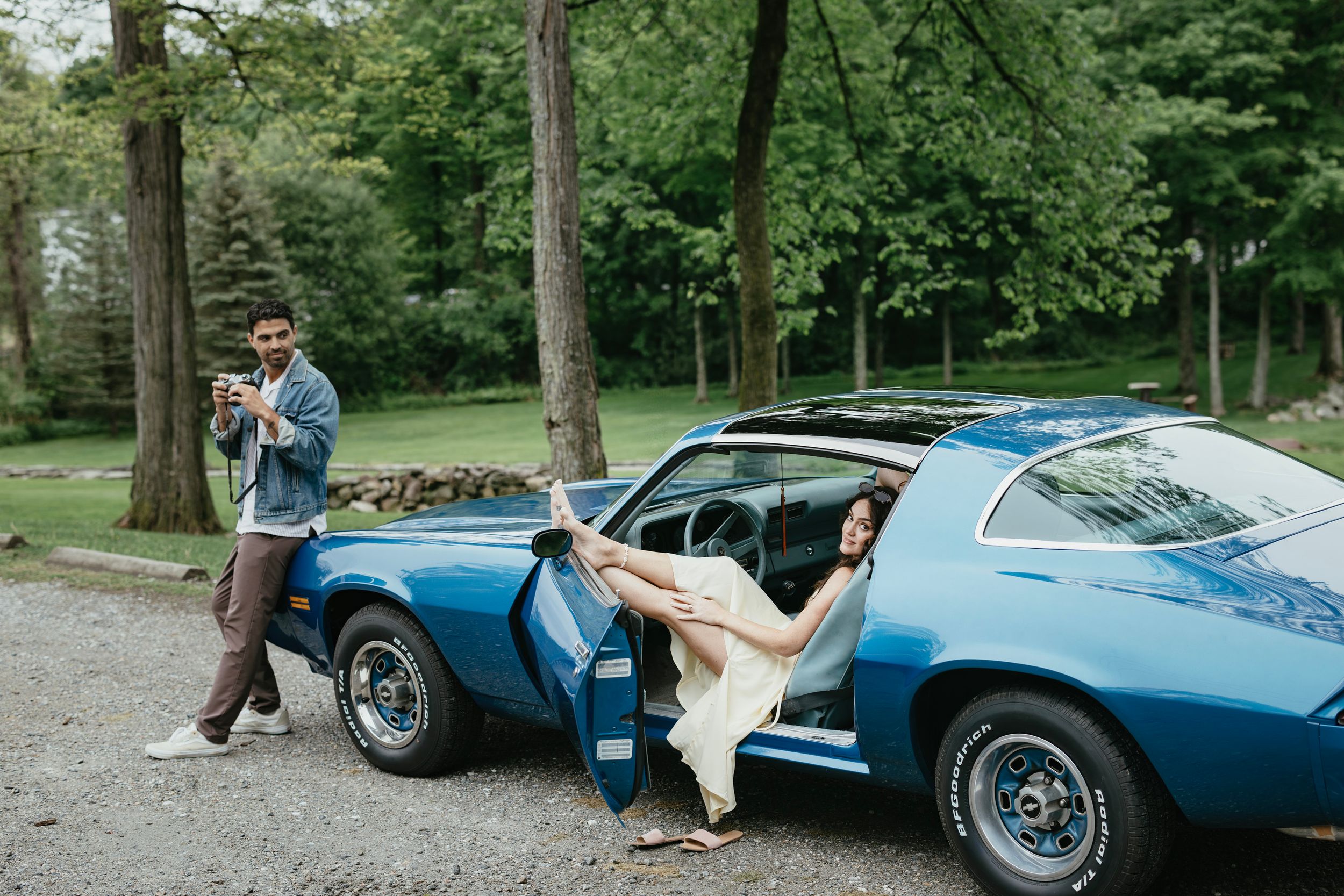
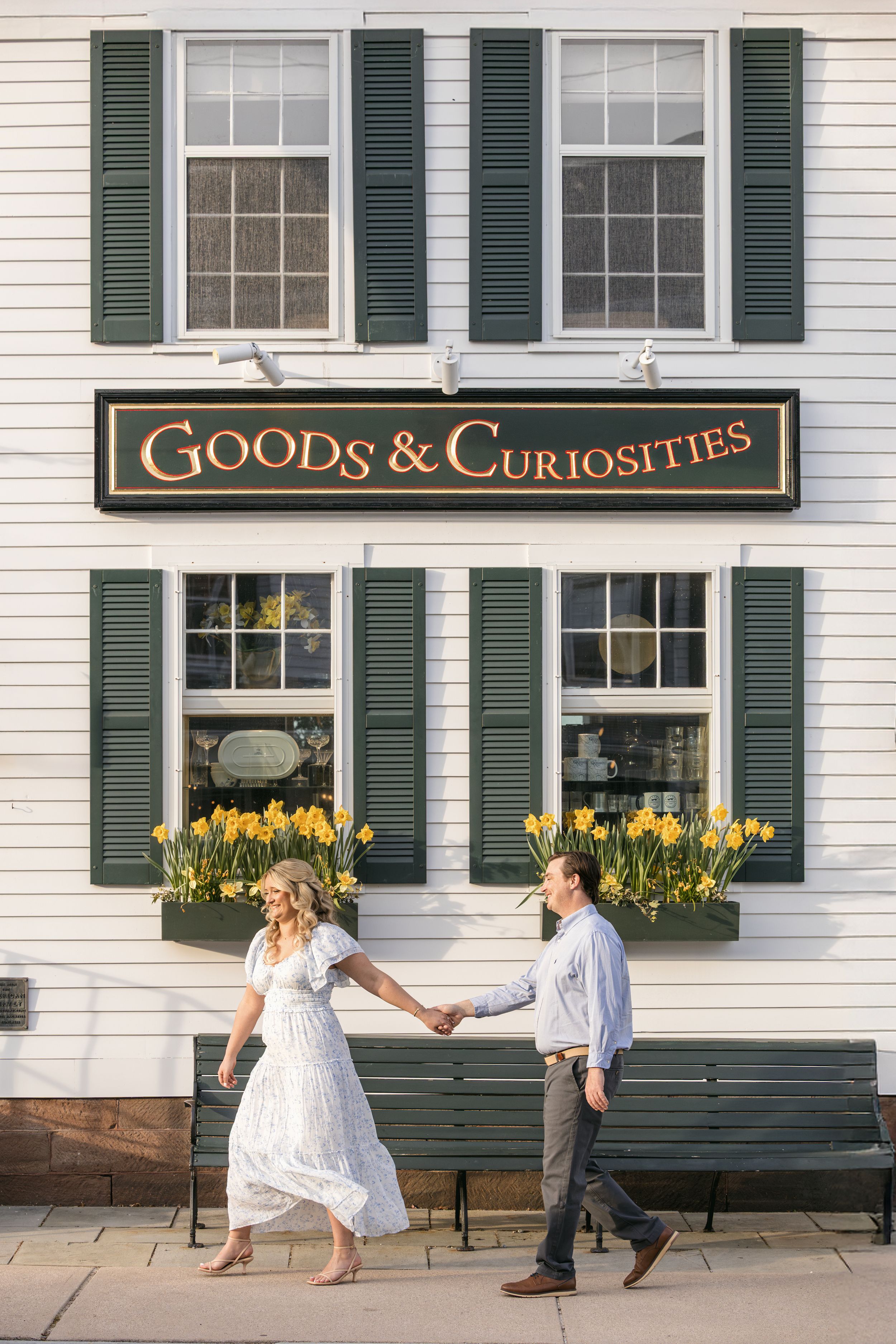
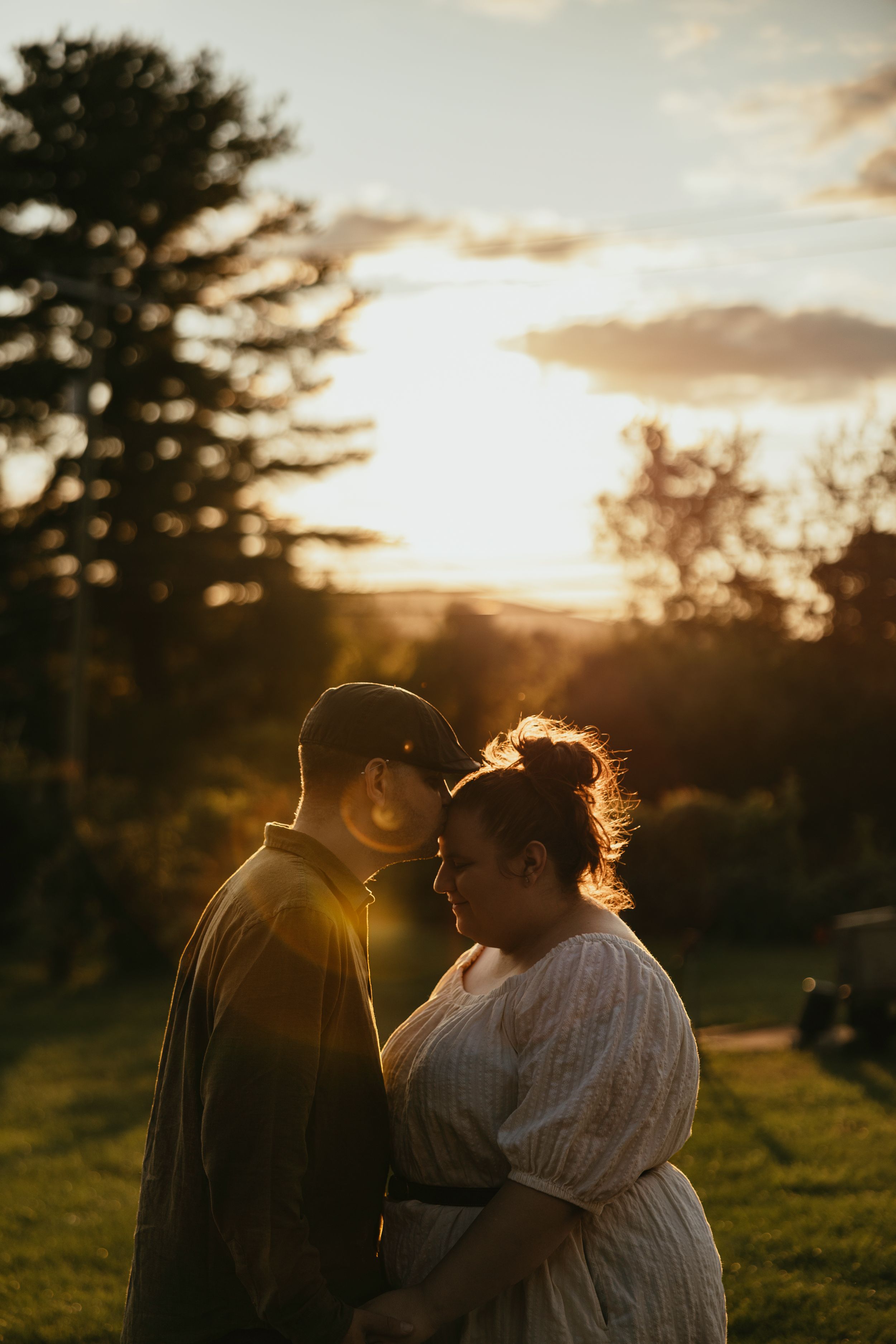
Why Engagement Sessions Matter Before Your Wedding Day
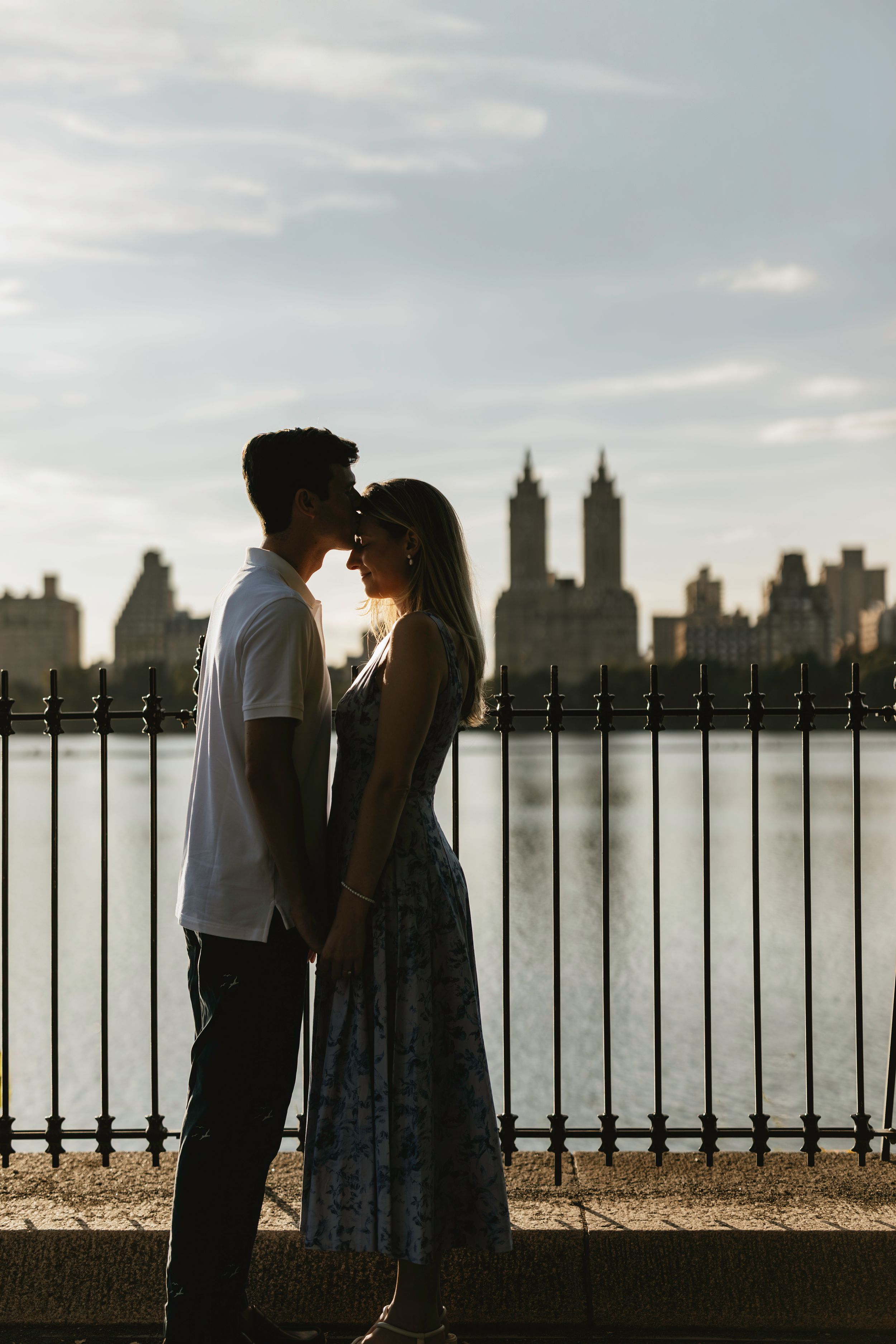
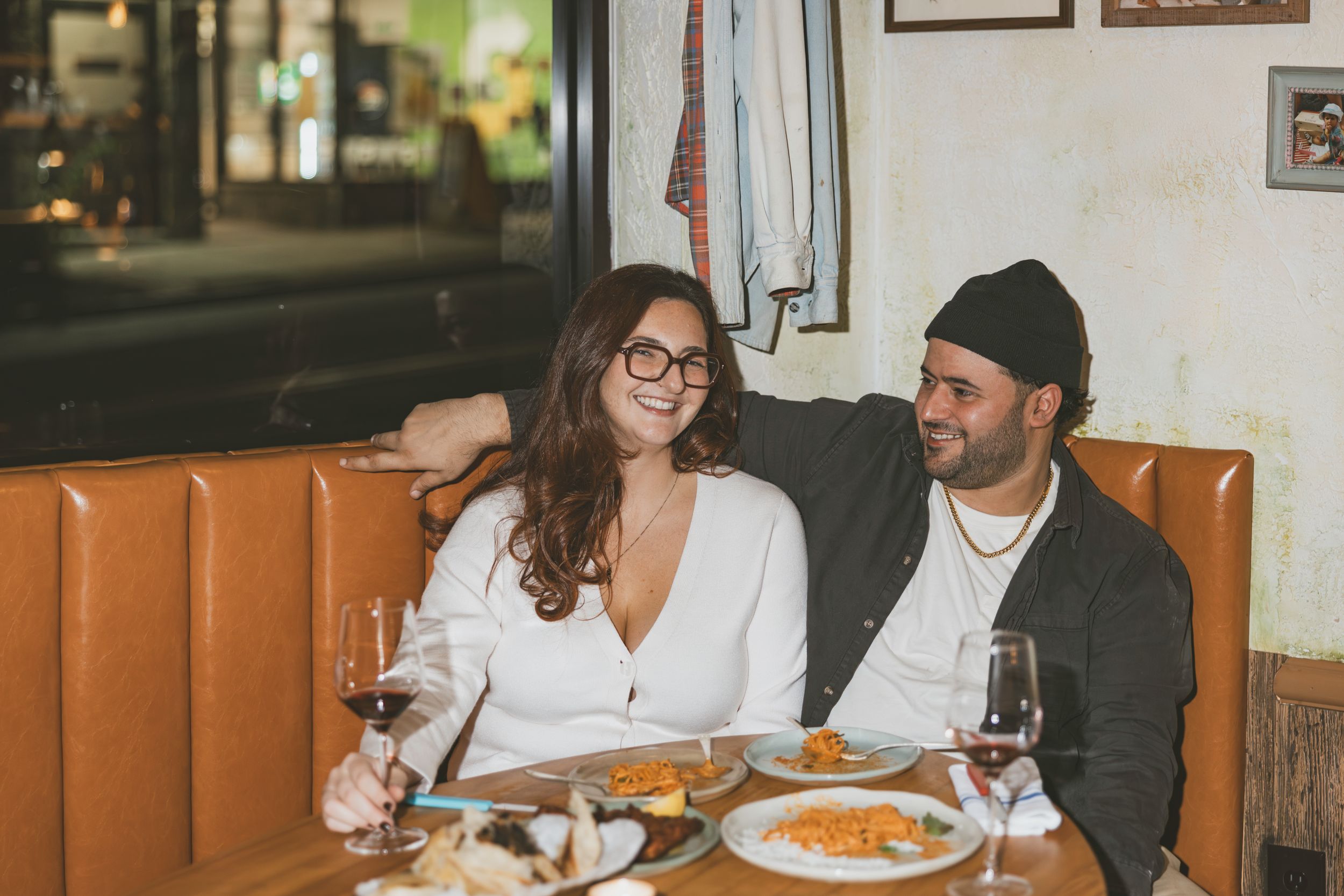
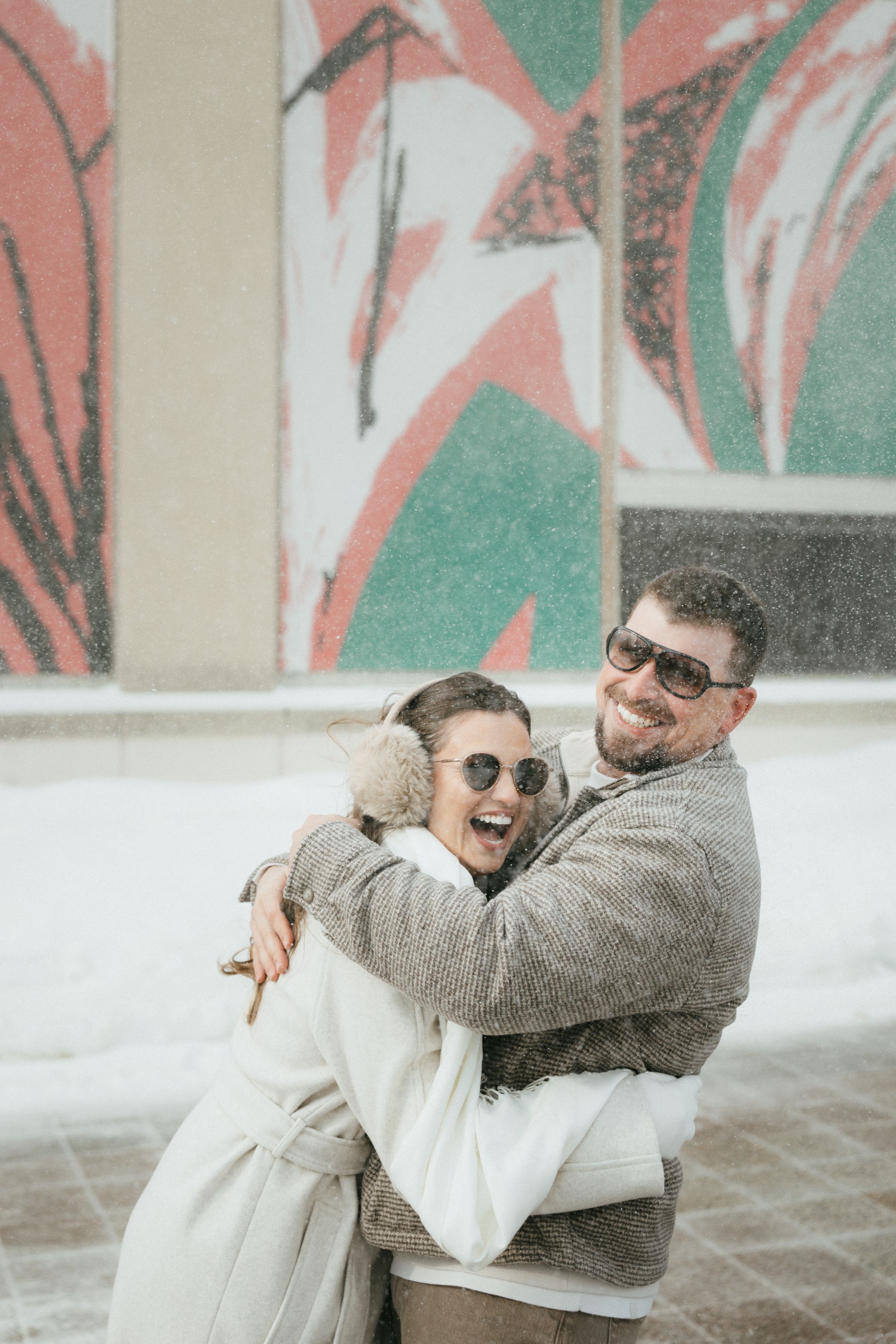
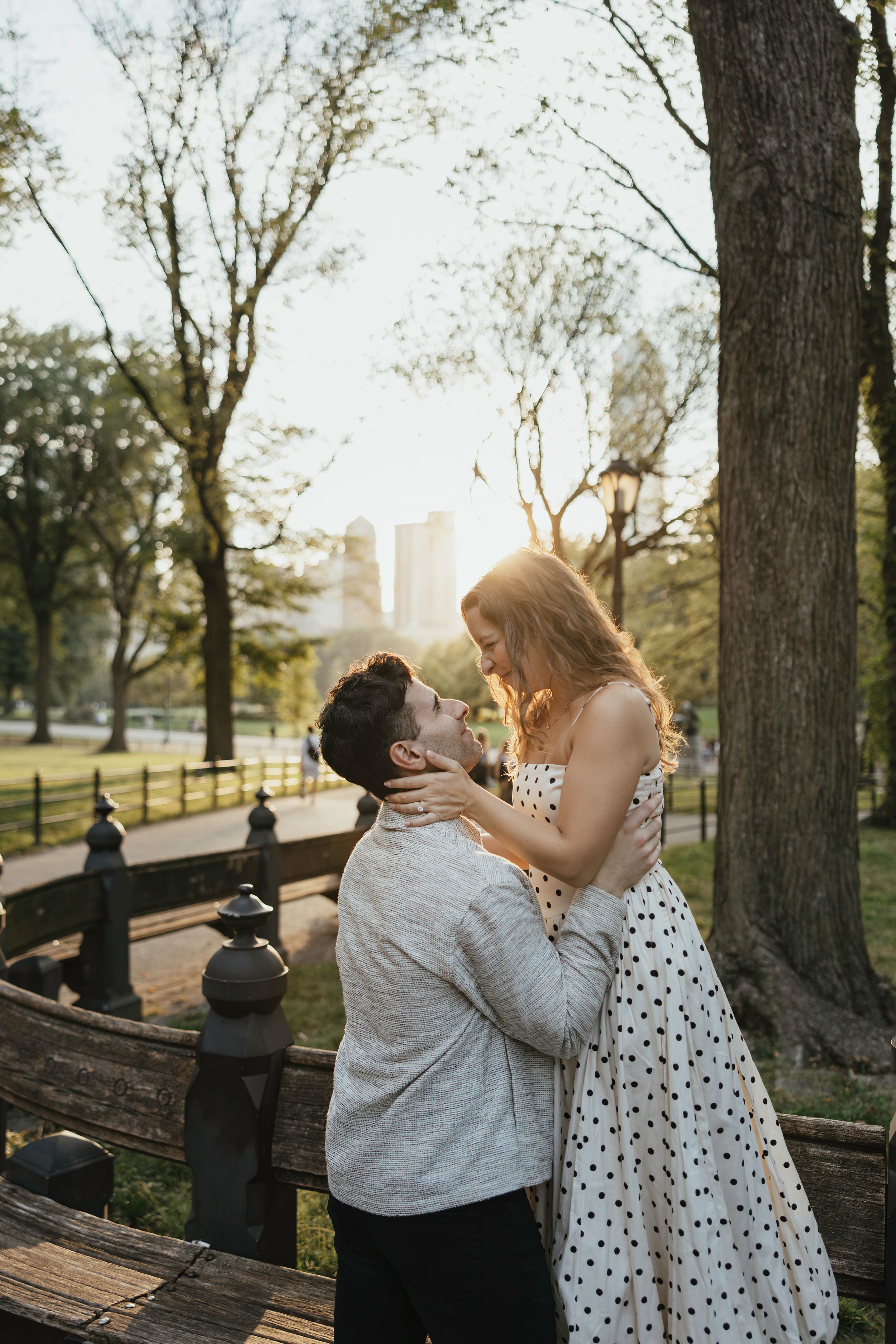
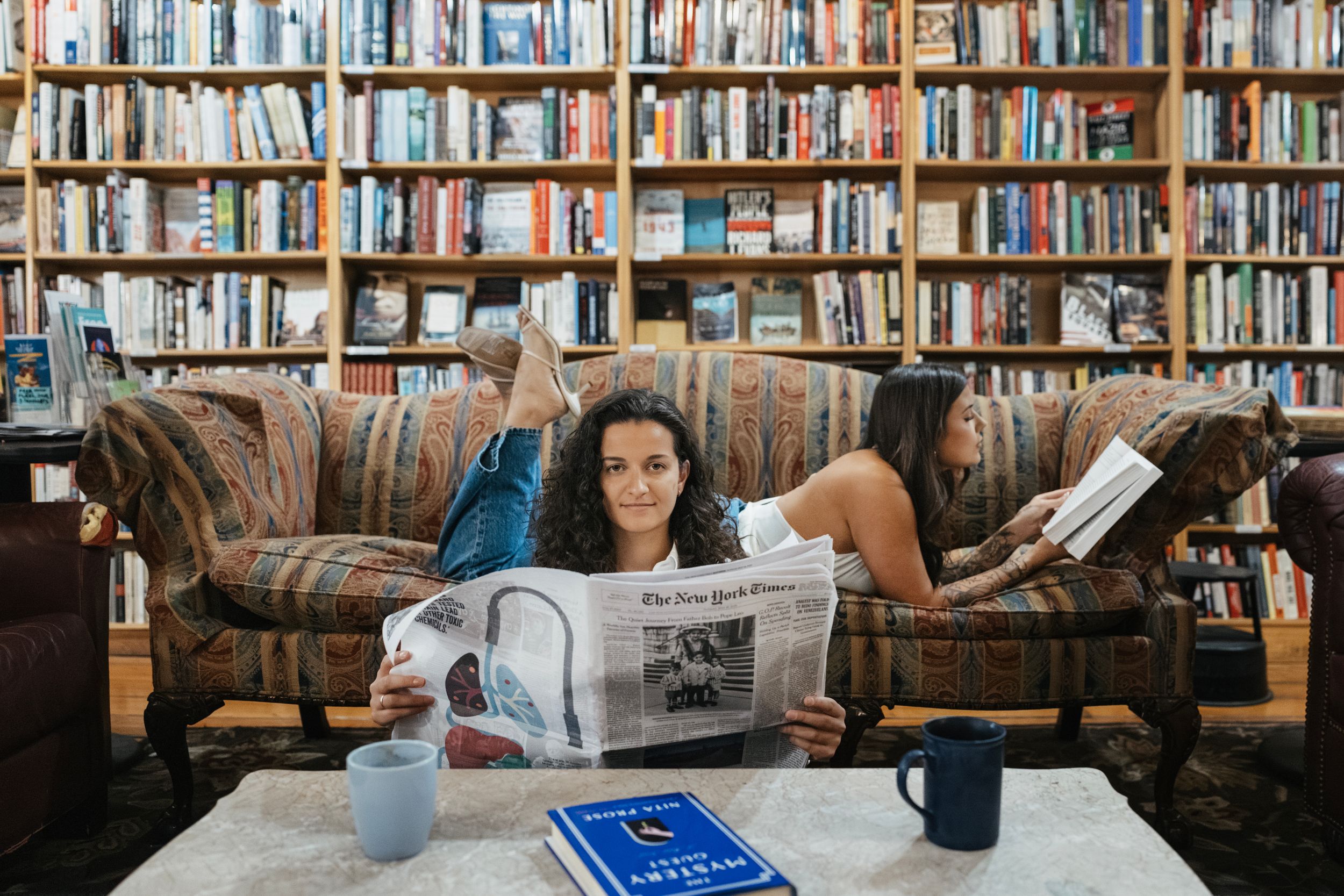
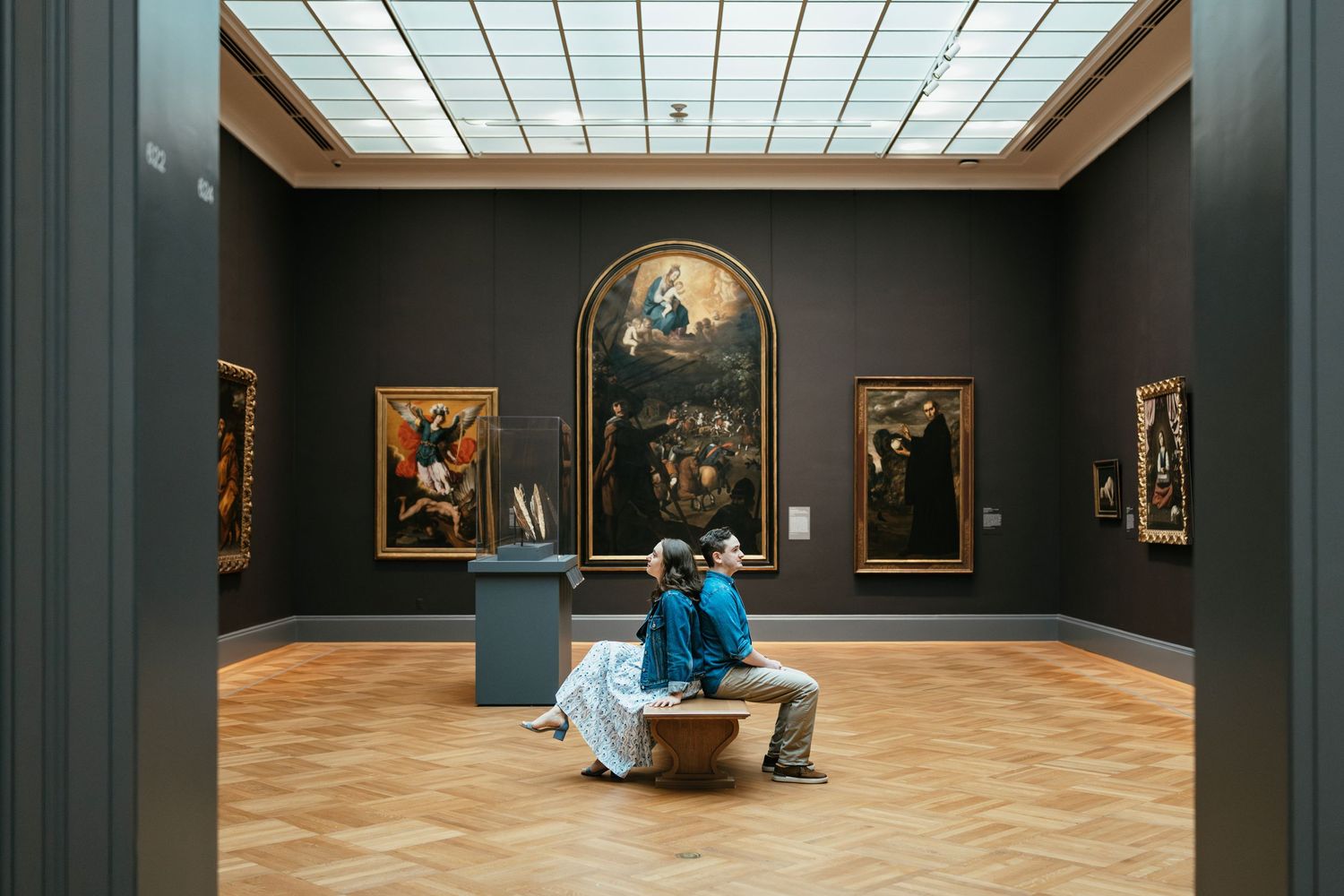
Engagement sessions are less about the photos themselves and more about getting comfortable with the process. They give you a chance to understand how your photographer works, how you naturally interact together, and what it feels like to be in front of the camera before your wedding day.
For most couples, an engagement session is the first time being professionally photographed together. That experience carries directly into the wedding day. You get a sense of how direction is given, how movement is used instead of static posing, and how small adjustments can make a big difference without feeling forced. By the time the wedding comes around, there’s already a level of familiarity, which makes everything feel more natural and less like something new you have to figure out.
It also helps establish a rhythm between you and your photographer. You learn what feels comfortable, what doesn’t, and how you naturally interact without overthinking it. That familiarity removes a layer of uncertainty on the wedding day and allows you to be more present. The result is not just better photos, but a smoother overall experience because you’re no longer trying to figure things out in real time.
Engagement sessions aren’t just about photos.
They help you:
- Get comfortable
- Understand how your photographer works
- Build confidence before the wedding
👉 Here’s why engagement sessions make a noticeable difference in how your wedding photos turn out.
Common Wedding Photography Mistakes Couples Make (and How to Avoid Them)
Most wedding photography issues don’t come from big mistakes. They come from small decisions that compound throughout the day. When timing, expectations, and structure aren’t aligned, even a well-planned wedding can start to feel rushed or disjointed.
One of the most common mistakes is overloading the day. Too many locations, too many formal photo combinations, or a tightly packed schedule can quickly make everything feel rushed. When that happens, the day starts to feel managed instead of experienced, and there’s less space for natural moments to unfold. A more effective approach is to simplify where possible, prioritize what matters most, and build in enough flexibility so the day can move without constant pressure.
Another issue is underestimating how long things take. Family photos, transitions, and gathering people all add up, and without buffer time, even small delays can spill into the rest of the day. There’s also a tendency to focus too much on specific shots rather than the overall experience, which can pull attention away from what’s actually happening. Combined with not fully considering lighting conditions, these choices can impact both the flow of the day and the final images. When expectations are realistic and the day is structured with intention, everything feels smoother and the photos reflect that.
The biggest issues are small things that add up:
- Overpacked timelines
- No buffer time
- Too many family combinations
- Underestimating travel
- Ignoring light
Even small adjustments here can completely change your day.
Should You Have a Phone-Free Ceremony?
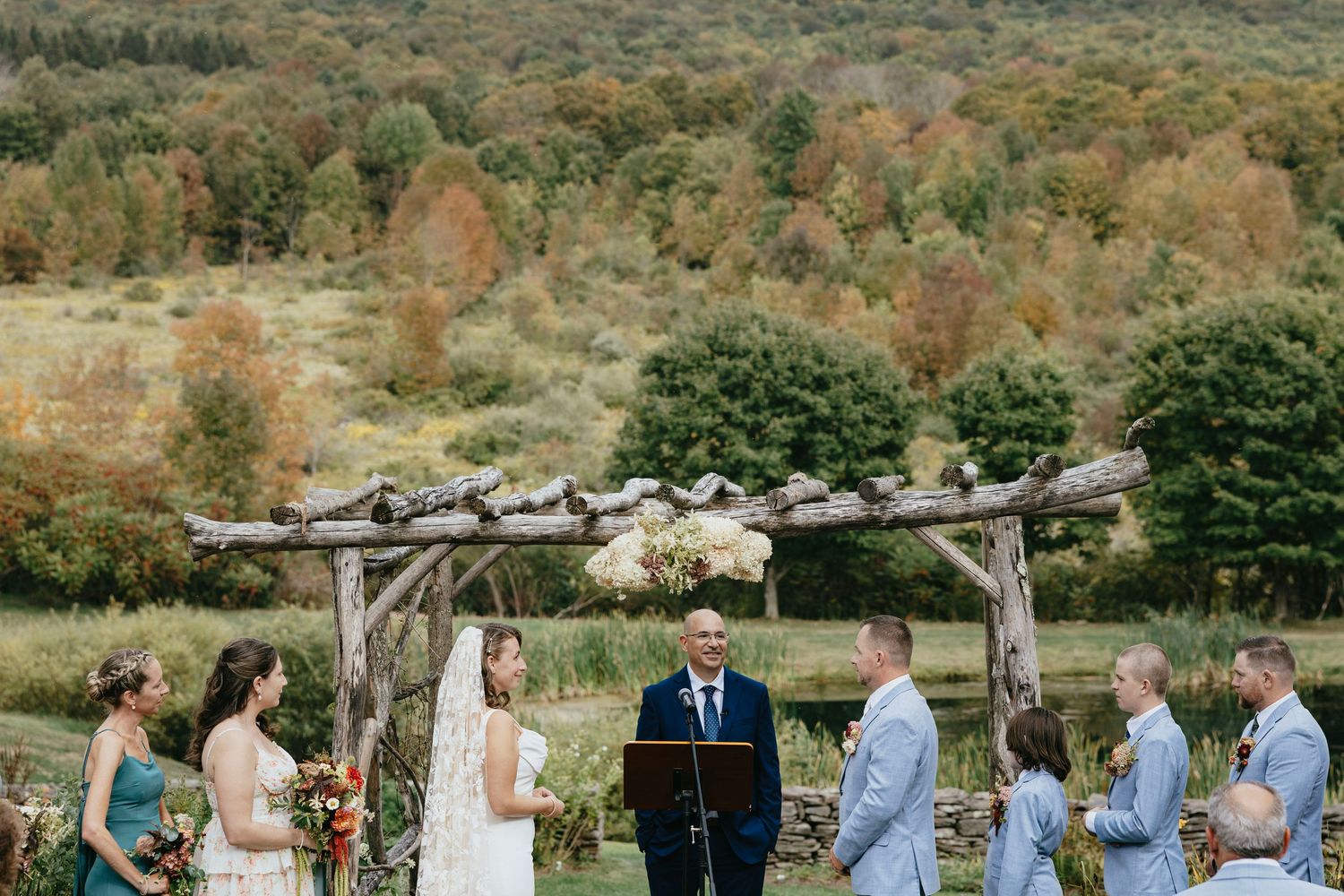
Unplugged ceremonies are less about restricting guests and more about protecting the experience. Removing phones allows people to be fully present, keeps the focus on the moment itself, and results in cleaner, more intentional images.
When guests have their phones out, it changes how the ceremony feels. Instead of being fully engaged, people are watching through a screen, stepping into aisles, or holding devices in ways that can unintentionally block key moments. From a photography standpoint, this often shows up as distractions in otherwise meaningful images. Asking guests to put their phones away helps keep the focus where it belongs and allows the moment to unfold without interruption.
The key is how it’s communicated. A simple, respectful announcement from your officiant before the ceremony is usually enough to set expectations without making it feel rigid. Some couples also choose to give guests a brief moment at the beginning to take a photo before asking everyone to put their phones away. This approach keeps things relaxed while still preserving the experience and ensuring your ceremony feels as connected and uninterrupted as possible.
A simple decision with a big impact.
- Cleaner photos
- More present guests
- Stronger atmosphere
It doesn’t need to feel strict. A simple announcement works.
👉 Here’s how to implement a phone-free ceremony in a natural, comfortable way.
How to Get Natural, Candid Wedding Photos Without Feeling Awkward
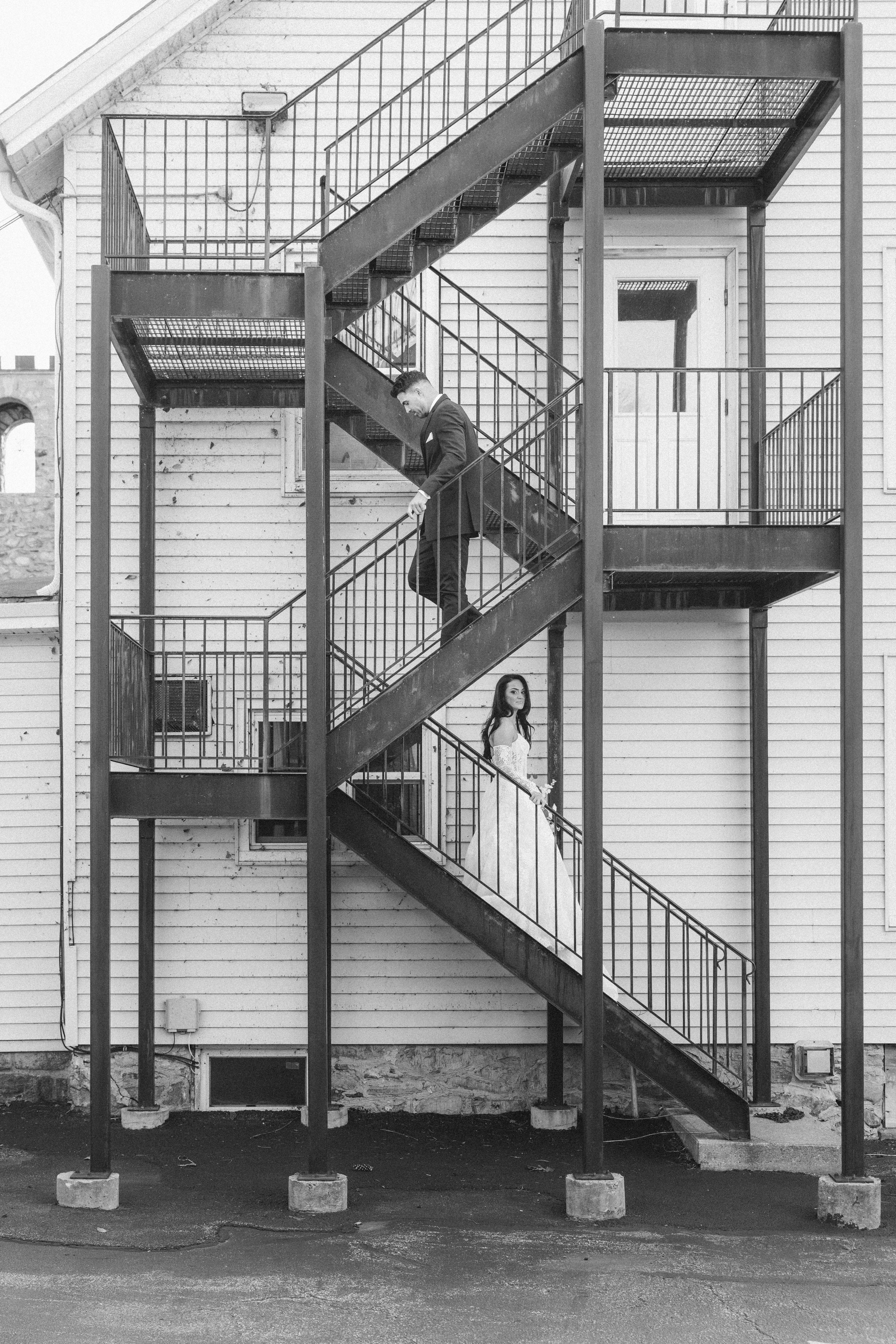
Natural, candid wedding photos don’t happen by accident. They come from creating the right conditions—where you’re comfortable, not over-directed, and able to stay present without feeling like you’re performing for the camera.
Most couples worry about feeling awkward in photos, especially if they’re not used to being in front of a camera. The reality is that you don’t need to know how to pose. What matters more is how you’re guided. A good photographer will use simple direction and movement instead of rigid posing, giving you just enough structure so things feel natural without becoming overly staged. This allows your reactions, interactions, and personality to come through without overthinking it.
The other key factor is comfort. When you feel at ease with your photographer and understand how they work, you’re less focused on the camera and more focused on each other and the moment. That’s where the strongest images come from. Not from forcing expressions or trying to recreate something, but from letting things unfold in a way that feels genuine while still being guided with intention.
You don’t need to know how to pose.
The best photos come from:
- Movement
- Simple prompts
- Being present
A good photographer guides without forcing anything.
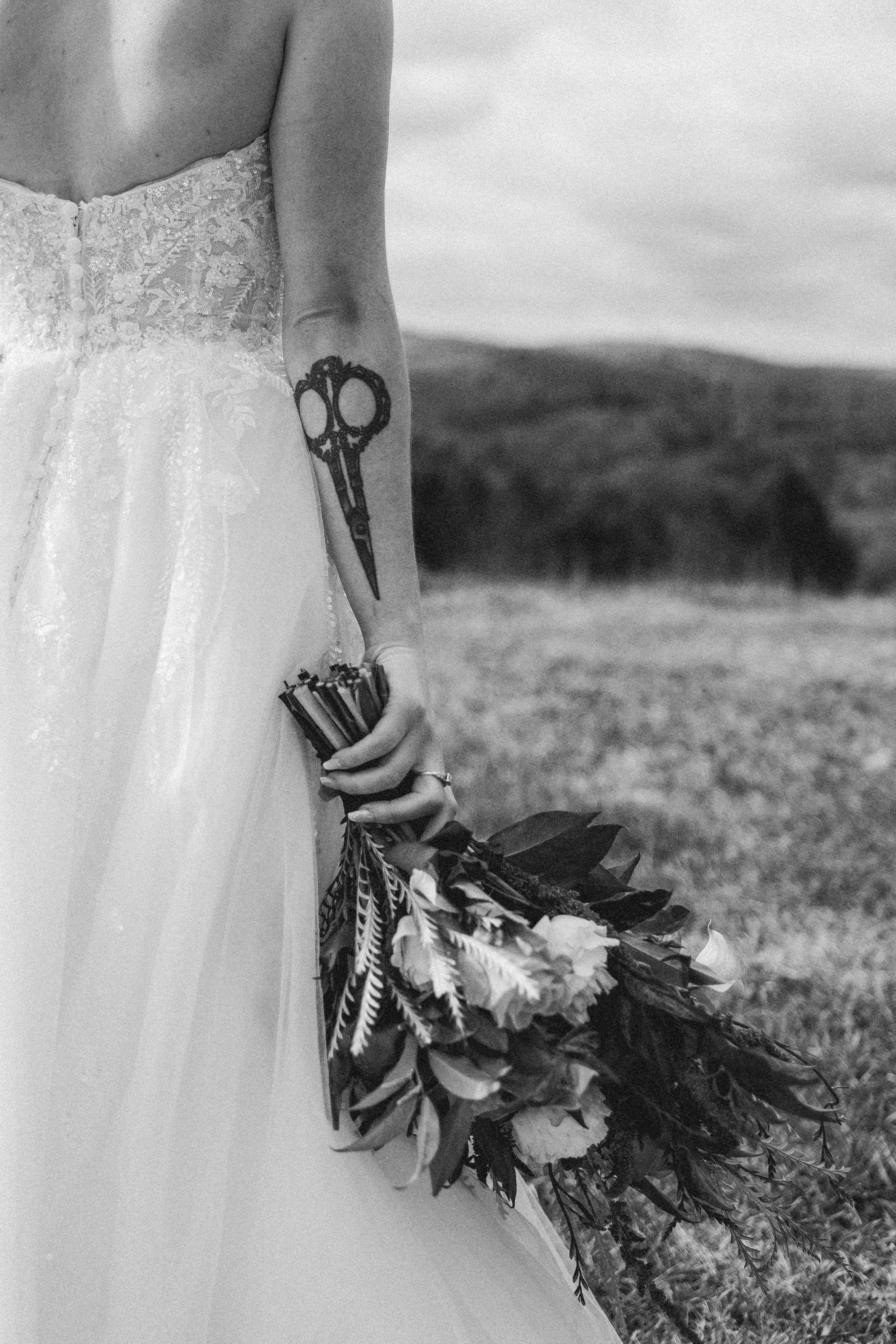
Hudson Valley Wedding Planning Tips (Venues, Light, and Logistics)
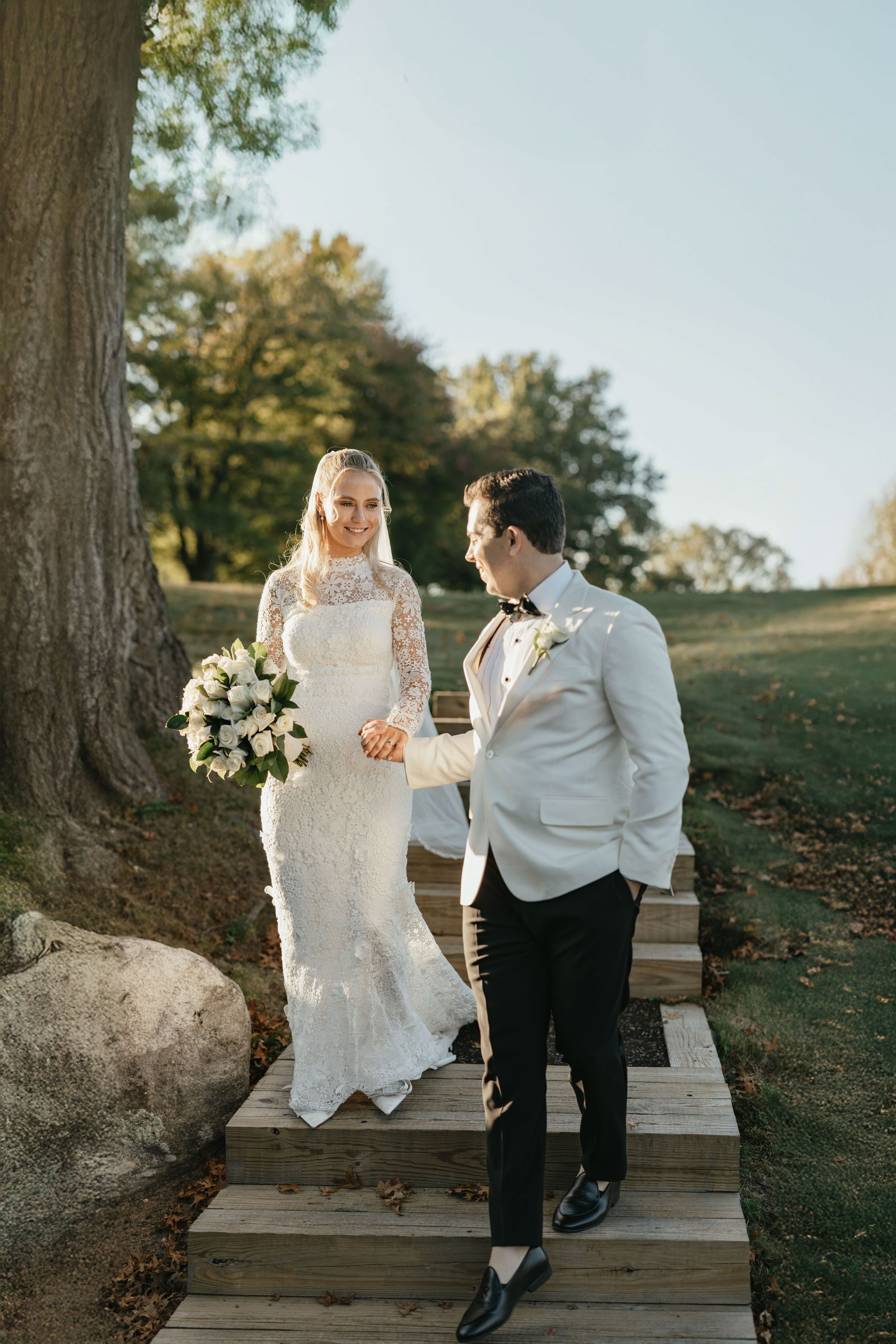
Planning a wedding in the Hudson Valley comes with unique advantages, but also specific logistical considerations. The landscape, venues, and seasonal shifts create incredible opportunities for photography, but they also require a more thoughtful approach to timing, travel, and overall flow.
One of the biggest factors to consider is how spread out everything can be. Many venues are set on large properties or require travel between getting ready, ceremony, and reception locations. What may look close on a map can take longer in practice, especially during peak seasons like fall when traffic increases. Building in realistic travel time and avoiding unnecessary movement between locations helps keep the day from feeling rushed and allows everything to unfold more smoothly.
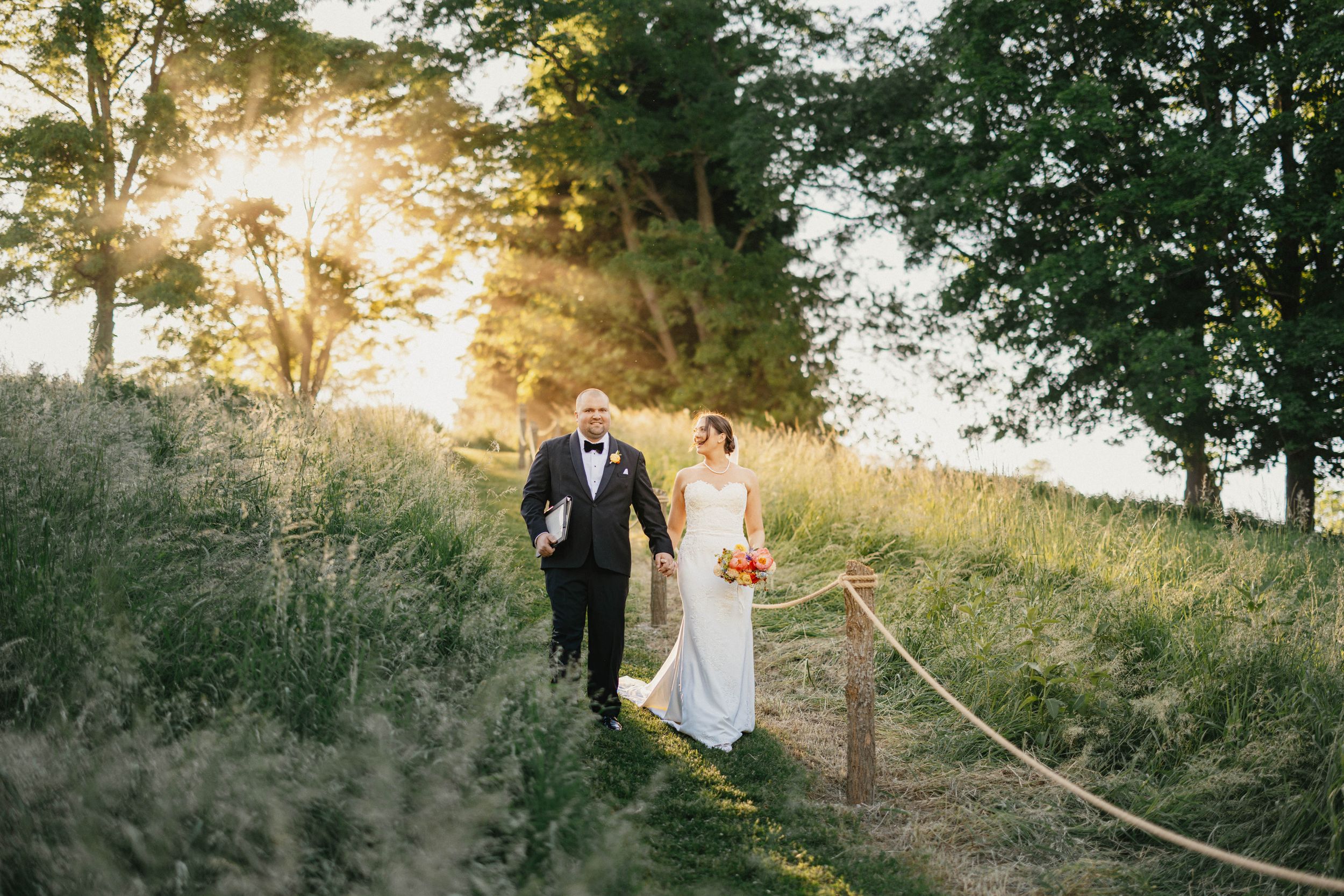
Lighting is another key consideration, particularly in a region with varied terrain and strong seasonal changes. Mountain backdrops, tree coverage, and early sunsets in the fall can all impact how and when different parts of the day are best photographed. Understanding how your venue interacts with light throughout the day allows you to make more informed decisions around timing and location without overcomplicating things. When logistics and lighting are accounted for early, the entire experience feels more intentional and easier to move through.
The Hudson Valley is an incredible place to get married, but planning here requires a little more awareness.
- Fall weekends get busy fast
- Travel between venues adds up
- Light shifts quickly in certain seasons
Planning around these factors makes a noticeable difference.
👉 If you’re still deciding on a location, you can explore my full breakdown of the best Hudson Valley wedding venues to compare options, guest capacity, and what each space is actually like to photograph.
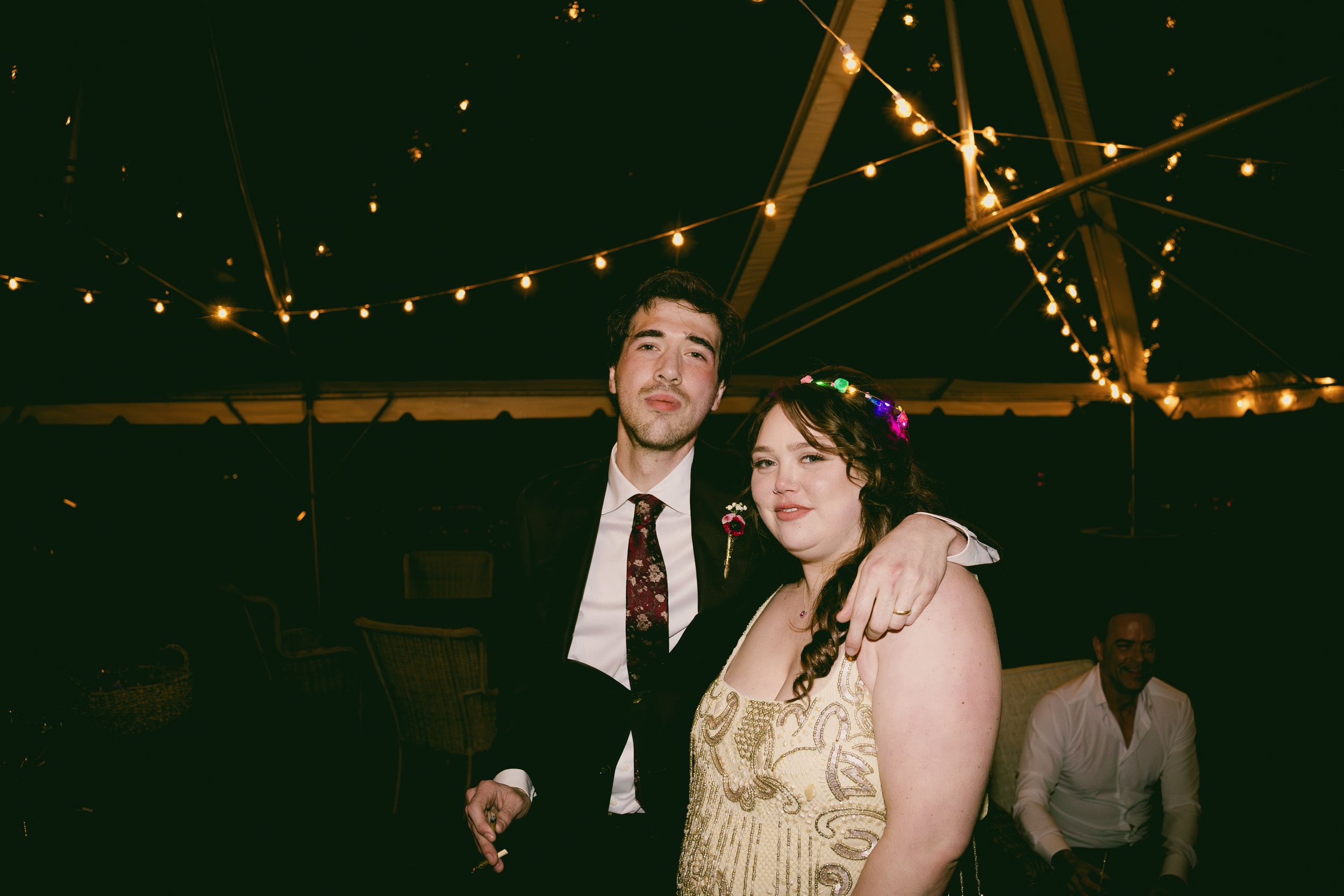
FAQ: Wedding Photography Planning Questions Couples Ask
How far in advance should I book a wedding photographer in the Hudson Valley?
Most couples book 12–18 months in advance, especially for peak fall dates. If your wedding is during a popular season or at a high-demand venue, earlier is always better.
How long does it take to receive wedding photos?
Most photographers deliver a preview within a few days and the full gallery within 4–8 weeks. Turnaround time can vary depending on the season and workload.
How many photos will we receive from our wedding?
A typical wedding delivers 50–100 images per hour of coverage. The final number depends on the flow of the day, guest count, and how events are structured.
Do we need to provide a shot list?
You don’t need to create a full shot list. Most of the day is documented naturally. The only list that’s helpful is family groupings, so those can be organized and efficient.
What happens if it rains on our wedding day?
Rain doesn’t prevent strong photos. It usually shifts locations and timing. A well-prepared photographer will adapt quickly and still create a full, cohesive gallery.
Can we request specific photos or ideas we’ve seen online?
You can absolutely share inspiration, but it’s best used as a reference rather than something to recreate exactly. The strongest photos come from your actual day, not a checklist.
Do you help guide us during photos if we feel awkward?
Yes. Most couples aren’t used to being photographed. Guidance is part of the process, using simple direction and movement so everything feels natural without being overly posed.
What time of day is best for wedding photos?
The best light is typically earlier in the day and closer to sunset. Timing can be adjusted depending on your venue and season to make the most of available light.
Do we need to feed our photographer?
Yes, most photographers require a vendor meal if they are covering extended hours. This allows them to stay on-site and ready to continue coverage without interruption.
Will you visit our venue before the wedding day?
I
f needed, yes. Some venues benefit from a walkthrough, while others can be planned through research and timeline coordination. Preparation is always part of the process.
What Actually Matters Most When Planning Your Wedding Photography
The biggest mistake couples make is thinking wedding photography is mostly about the photographer. In reality, the quality of the final experience and the final gallery is shaped by a combination of decisions that happen long before the wedding day arrives.
The photographer matters, of course, but so does the structure of the day. A rushed timeline, too many locations, an overloaded family photo list, poor light timing, no buffer between events, or unrealistic expectations around coverage can all create pressure that shows up in the experience and in the photos. Even a beautiful venue and a strong photographer can only do so much if the day is built too tightly.
That is why good wedding photography planning is never just about asking, “Will we get enough photos?” A better question is, “Will the day give us enough space for real moments to happen?”
The best galleries usually come from weddings where the couple had room to breathe. They had enough time built into the day. They were not being pulled in five directions at once. Portraits did not feel rushed. Family photos were organized. Travel was accounted for. Light was considered. Expectations were realistic. The result is not just a prettier gallery. It is a day that feels calmer, more present, and more enjoyable while it is actually happening.
That is also why choosing a photographer should not come down to price alone or whether someone has shot at your venue once before. You want someone who understands how a wedding day moves, how to guide without over-directing, how to keep things efficient without making the day feel scheduled to death, and how to recognize when to step in and when to step back. That balance is what allows your photos to feel natural while still being intentional.
If you are planning a wedding in the Hudson Valley, this matters even more. Venues vary widely in layout, light, travel logistics, and seasonal conditions. A timeline that works perfectly at one property may not work nearly as well at another. That is where experience, preparation, and a strong understanding of flow make a real difference. The goal is not just to document what the day looked like. It is to preserve what it felt like to be there.
At the end of it all, the strongest wedding photography is not created by forcing moments or overbuilding the day. It comes from thoughtful planning, realistic timing, and giving yourselves enough room to actually live through the day instead of racing through it.
👉 If you’re planning a wedding in the Hudson Valley and want photography that feels candid, well-paced, and genuinely easy from start to finish, reach out through my contact page to check availability and start the conversation: Contact Me


Krutick Photography | 845-857-4980 | richard@krutickphotography.com | www.krutickphotography.com
